Antique Aboriginal art appraisal, online
That painting or bark work handed down in your family, or picked up on a trip years ago, may carry more history and value than you realise. Our team researches its likely worth and sends you a plain-English value report within three days.
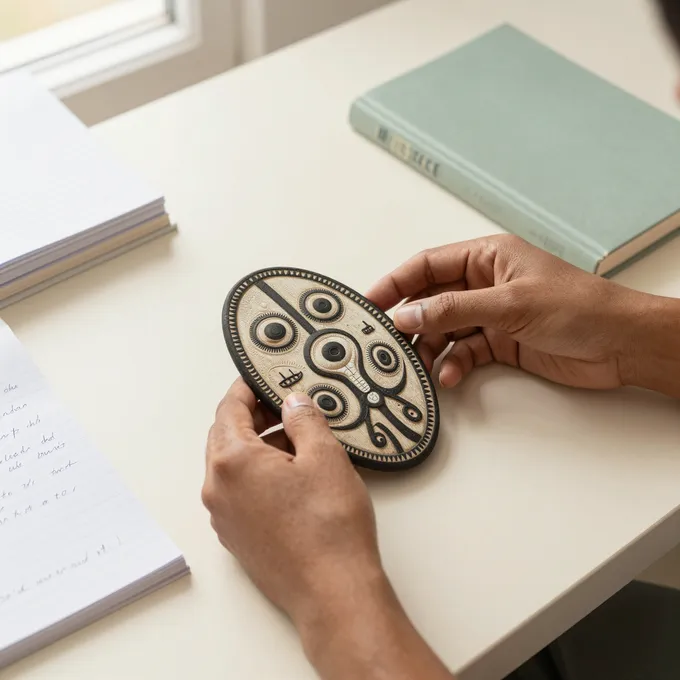
Structured research, reviewed for clarity
We start with what you have, photographs, any labels, certificates, or art centre paperwork, then compare it against records of similar works sold at auction and through reputable galleries. Our team weighs the artist attribution, the community or art centre a piece came through, the medium and period, and its condition. You receive a clear written report with an estimated value range and the reasoning behind it, reviewed by our team before it reaches you.
What affects the value of antique Aboriginal art
The value of an Aboriginal artwork rarely comes down to a single detail. Our team weighs several factors together, because a strong result in one area can be undercut by a weakness in another.
Artist and community attribution
A confident link to a named artist, or to a recognised community art centre, shifts value more than almost anything else. Works by celebrated painters carry a premium, while pieces that cannot be tied to a maker or place sit lower, whatever their visual appeal.
Medium, period and condition
Early boards, ochre on bark, and acrylic on canvas each sit in different value bands, and the earliest Western Desert works draw particular attention. Flaking pigment, restoration, or a trimmed edge can pull an estimate down, so we look closely at the surface and support.
Comparable sales and provenance
We rely on records of what similar works actually sold for, not asking prices, and we give weight to a clear ownership trail. A certificate from an art centre or a documented gallery purchase strengthens both confidence and value.
Why provenance carries so much weight
In this field, paperwork is part of the artwork. A certificate of authenticity from a community art centre, a gallery receipt, or an exhibition label does more than reassure a buyer, it can be the difference between a modest estimate and a strong one. Where documentation is thin, our team looks at other signals to place your piece as fairly as we can, and our report is candid about what raises or limits the value. We stop short of a full identification walkthrough, our aim is to research the value, not to hand you a manual.
Inherited an Aboriginal art collection?
Collections gathered over decades often mix serious works with decorative and tourist-market pieces, and it is not always obvious which is which. Rather than guessing, start by photographing each item along with any labels or certificates and submitting them together. Our team can research the group and tell you where the value sits, so you know what deserves careful handling before you make any decisions.
A few reports we've delivered
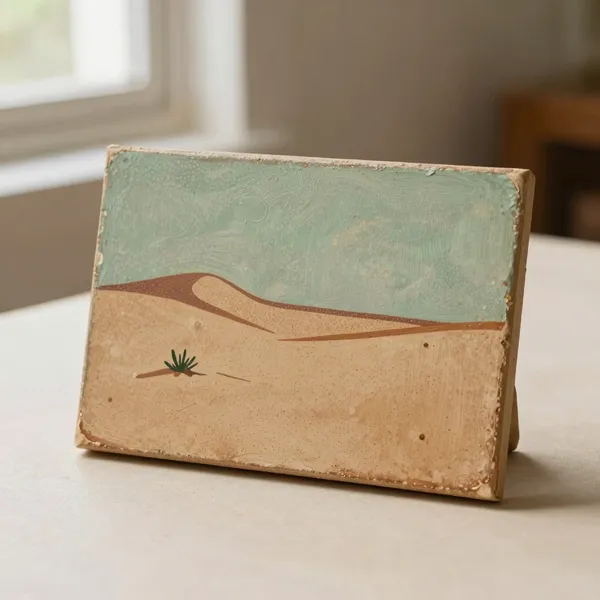
Illustrative: a small 1970s Western Desert painted board with fine dotting and ochre tones
$6,000 – $35,000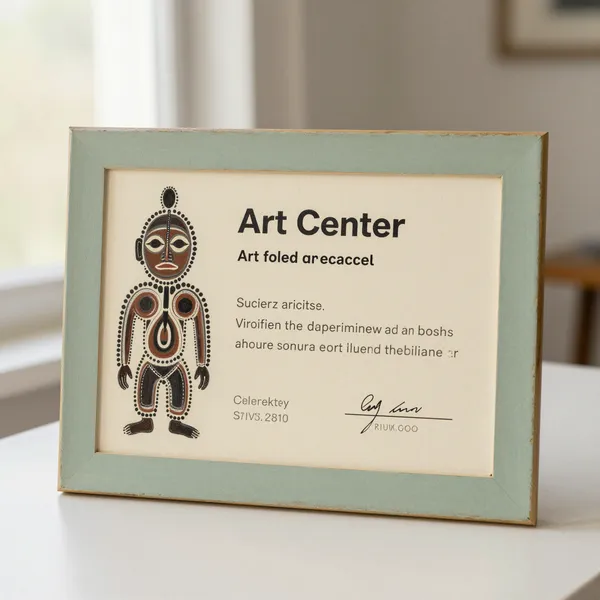
Illustrative: a mid-career artist's acrylic dot painting with an art centre certificate
$900 – $4,000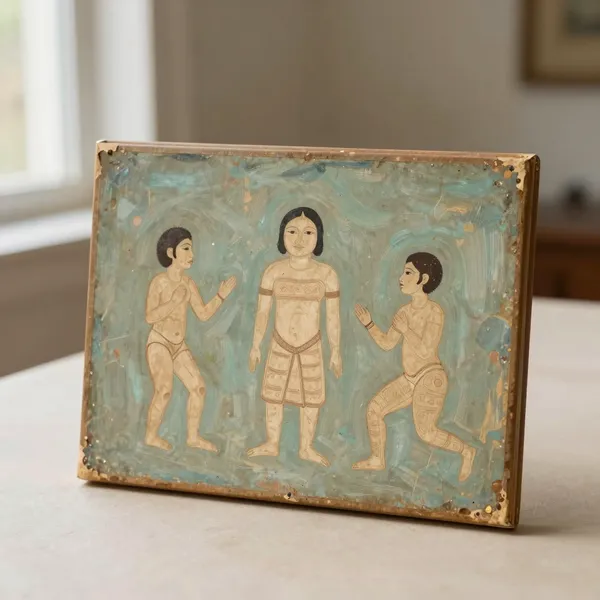
Illustrative: a mid-20th-century ochre-on-bark painting of a Dreaming subject
$1,500 – $7,000
Illustrative: an unsigned decorative acrylic bought as a travel souvenir
$120 – $500Estimated ranges shown to guide research — not official appraisals for insurance, tax, or legal use. Illustrative examples.
Questions, answered honestly
How old does something have to be to be an antique?
As a rule of thumb, an antique is generally at least 100 years old. Items roughly 20–99 years old are usually called “vintage,” and the line shifts by category — but age alone never sets value. A 60-year-old designer piece can be worth far more than a century-old everyday object.
What affects the value of my item?
Value comes from a combination of factors: who made it, its age and rarity, condition, originality, provenance (its documented history), and — most of all — what comparable pieces have actually sold for recently. Our research weighs each of these to produce an estimated range.
I’ve inherited a collection — what do I do?
Start with the pieces you’re most curious about, or the ones you suspect are most valuable. Submit them individually, or for more than ten items use our white-glove service and we’ll research the whole batch together at a tailored rate.
Is this an official appraisal?
No. Every report is a thorough, researched estimate to guide your research — not an official appraisal for insurance, tax, or legal purposes. For those uses you’ll want a certified appraiser, and our report is a great, fast first step before that.
How accurate is a researched value report?
Our research is based on real comparable sales and a structured assessment of condition, era, and maker. It’s designed to give you a credible, well-researched estimate quickly. Like any estimate it isn’t a guarantee of sale price, which is why we always give a range rather than a single number.
“I had a vase from my grandmother and no idea where to start. The report was detailed, fast, and honest about the range.”
“Three days, a fair price, and a genuinely useful breakdown of comparable sales. Far better than waiting weeks.”
“Loved that it was upfront about being an estimate. It gave me exactly what I needed before talking to an auction house.”
Illustrative examples shown during launch — verified customer reviews will replace these as reports are delivered.
Find out what your aboriginal art is worth
A thorough, researched value report in 3 days. From $29, no subscription.
Submit Your Item →