Antique abstract painting appraisal, online
That bold abstract canvas you inherited, or found at an estate sale, may be worth far more than its frame suggests. Our team researches its maker, period, and market, then delivers a thoroughly researched value report in three days.
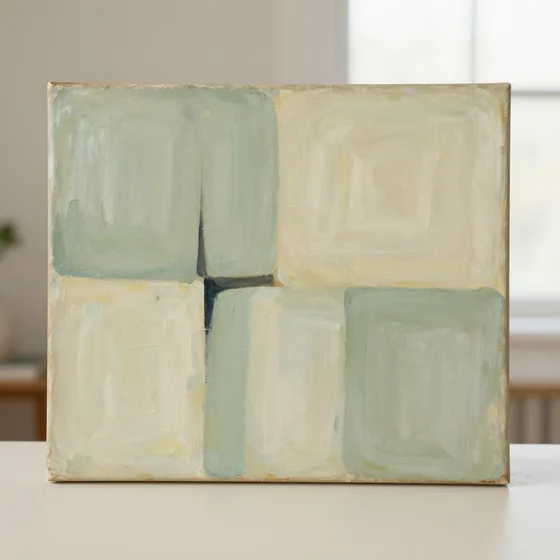
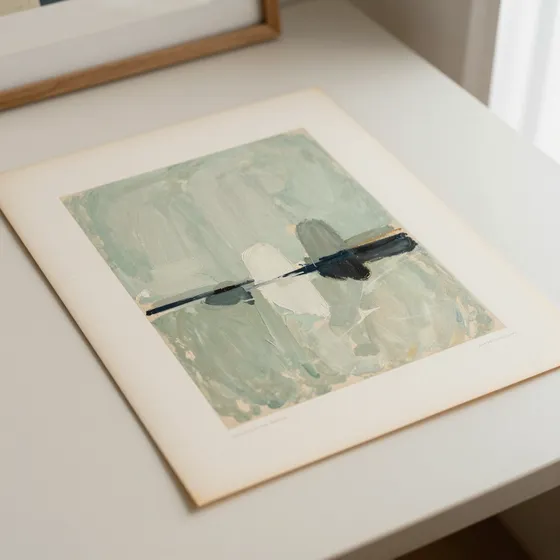
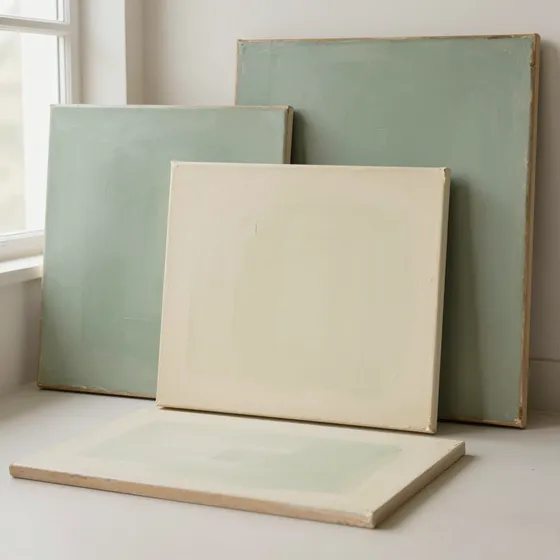
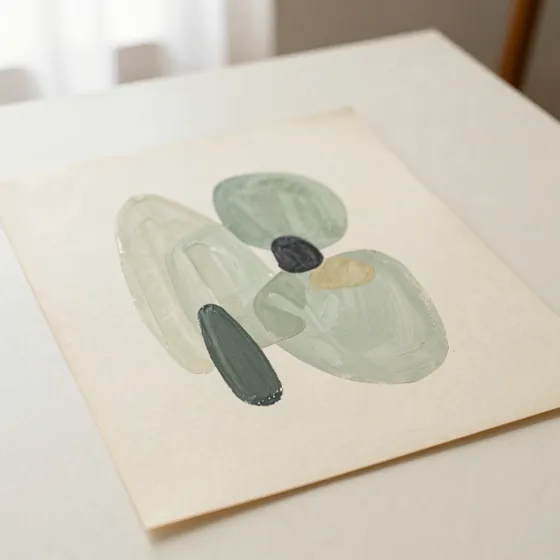
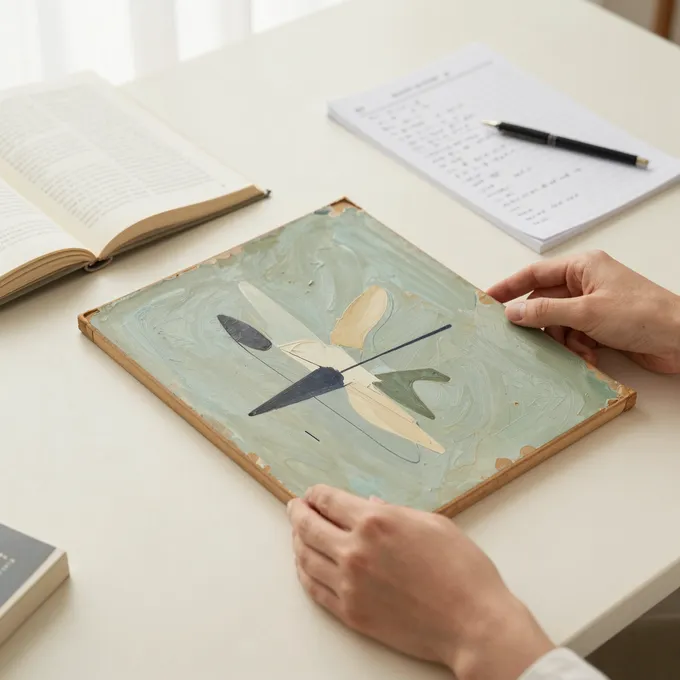
Structured research, reviewed for clarity
We start with the signature, any verso labels, and gallery or exhibition marks, then compare your piece against recent comparable sales of similar artists and periods, not asking prices. Medium, size, condition, and provenance are weighed together, and the style is read against the movement it belongs to. You receive a plain-English report with an estimated value range and the reasoning behind it, reviewed by our team before it reaches you.
What affects the value of an antique abstract painting
With abstract work, value rarely comes down to a single detail. Our team weighs several factors together, because a striking composition means little without the context that supports it.
Maker, period & attribution
A confident attribution to a listed artist is the single largest driver of value. A signed canvas by a recognized post-war or mid-century painter sits in a different bracket from an unsigned studio work in the same style. Period matters too, and examples from an artist's most sought-after phase carry a premium.
Condition & originality
Original, unlined canvases in stable condition are worth more than works with heavy restoration, overpaint, or relining. Craquelure, flaking, and old discolored varnish affect value, as does whether the piece retains its original stretcher and frame.
Comparable sales
We anchor every estimate to real, recorded results for comparable pieces at auction and private sale, not the optimistic figures sellers list. Recent comparables for the same artist, size, and medium tell us far more than a gallery's asking price.
Signed, attributed, or in the manner of?
Two visually similar abstract canvases can be worlds apart in value depending on how firmly they connect to a named artist. A clear signature, a documented exhibition history, or an estate stamp can move a piece into a much higher range, while an unsigned work sold as in the manner of a school stays modest. Rather than teach you to authenticate the piece yourself, our team does the research, tracing signatures, labels, and provenance against known records so the value we report rests on evidence, not hope.
Inherited an abstract art collection?
Abstract works often pass down without paperwork, and heirs are left guessing which canvases matter. If you have inherited a wall of unfamiliar modern pictures, you do not need to sort them yourself. Submit clear photographs of each piece, including the front, the signature, and the reverse, and our team will research them and tell you which are worth a closer look. It is the simplest way to turn an uncertain inheritance into a clear picture of value.
A few reports we've delivered
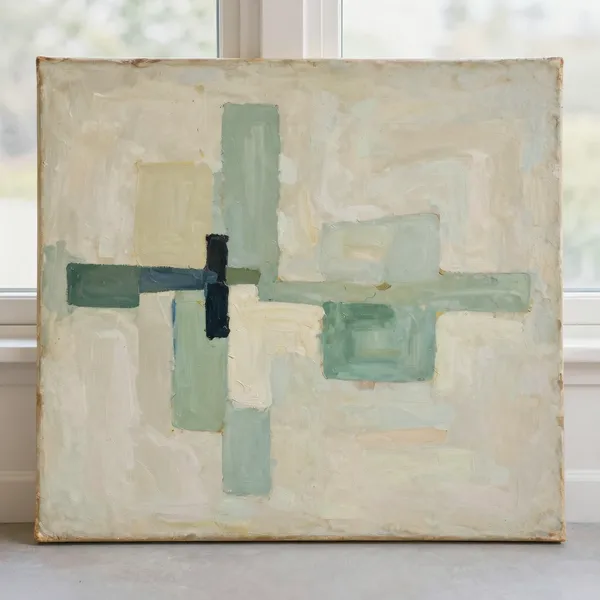
Illustrative: signed mid-century abstract oil on canvas by a listed regional painter
$1,200 – $4,500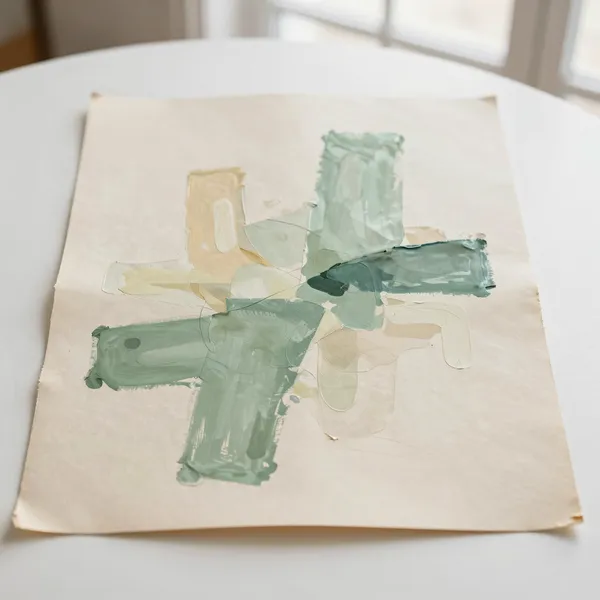
Illustrative: unsigned gestural abstract gouache on paper, mid-20th century
$150 – $600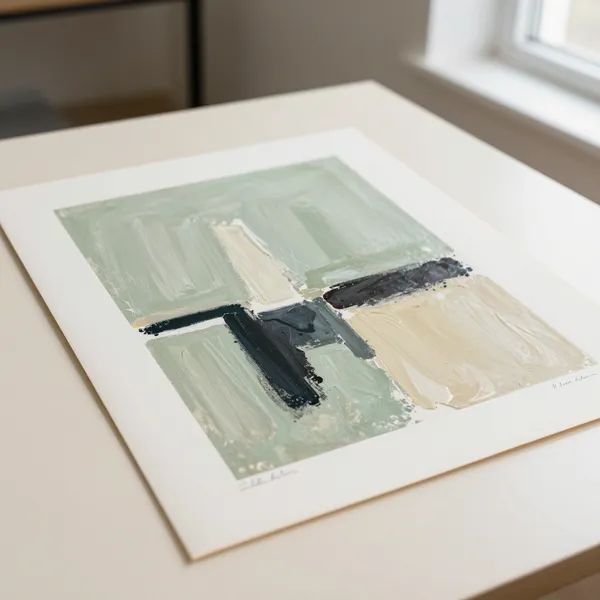
Illustrative: limited-edition signed abstract screenprint by a recognized post-war name
$800 – $3,000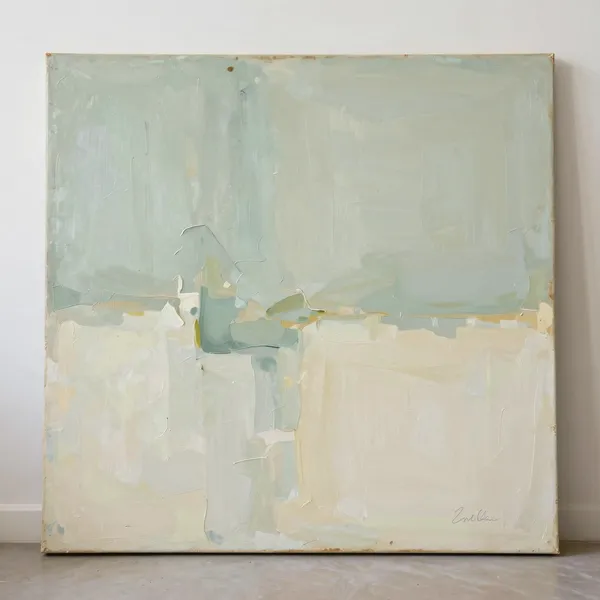
Illustrative: large color field canvas attributed to a listed studio, signature unverified
$500 – $2,000Estimated ranges shown to guide research — not official appraisals for insurance, tax, or legal use. Illustrative examples.
Questions, answered honestly
How old does something have to be to be an antique?
As a rule of thumb, an antique is generally at least 100 years old. Items roughly 20–99 years old are usually called “vintage,” and the line shifts by category — but age alone never sets value. A 60-year-old designer piece can be worth far more than a century-old everyday object.
What affects the value of my item?
Value comes from a combination of factors: who made it, its age and rarity, condition, originality, provenance (its documented history), and — most of all — what comparable pieces have actually sold for recently. Our research weighs each of these to produce an estimated range.
I’ve inherited a collection — what do I do?
Start with the pieces you’re most curious about, or the ones you suspect are most valuable. Submit them individually, or for more than ten items use our white-glove service and we’ll research the whole batch together at a tailored rate.
Is this an official appraisal?
No. Every report is a thorough, researched estimate to guide your research — not an official appraisal for insurance, tax, or legal purposes. For those uses you’ll want a certified appraiser, and our report is a great, fast first step before that.
How accurate is a researched value report?
Our research is based on real comparable sales and a structured assessment of condition, era, and maker. It’s designed to give you a credible, well-researched estimate quickly. Like any estimate it isn’t a guarantee of sale price, which is why we always give a range rather than a single number.
“I had a vase from my grandmother and no idea where to start. The report was detailed, fast, and honest about the range.”
“Three days, a fair price, and a genuinely useful breakdown of comparable sales. Far better than waiting weeks.”
“Loved that it was upfront about being an estimate. It gave me exactly what I needed before talking to an auction house.”
Illustrative examples shown during launch — verified customer reviews will replace these as reports are delivered.
Find out what your abstract paintings is worth
A thorough, researched value report in 3 days. From $29, no subscription.
Submit Your Item →