Antique African masks appraisal, online
That carved mask you inherited, or picked up on your travels, could be a genuine ceremonial piece or a decorative one, and the difference matters. Our team researches its likely origin, age, and value, then returns a clear report within three days.
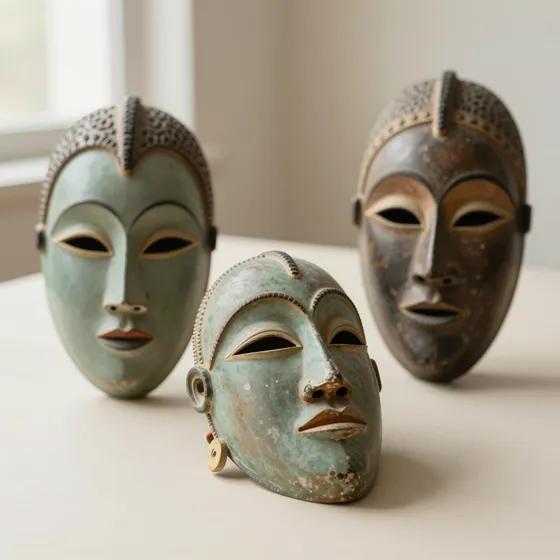
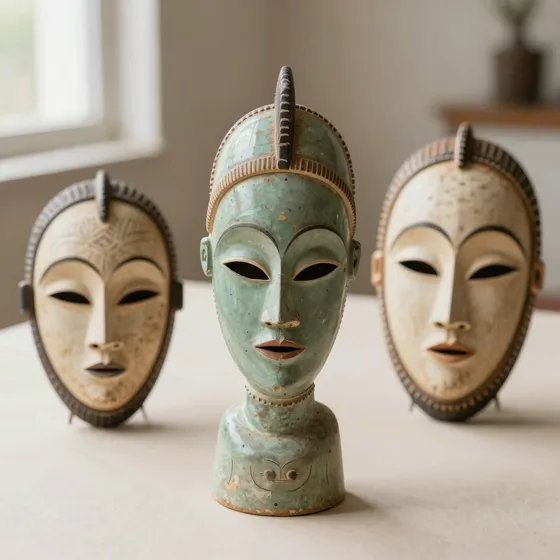
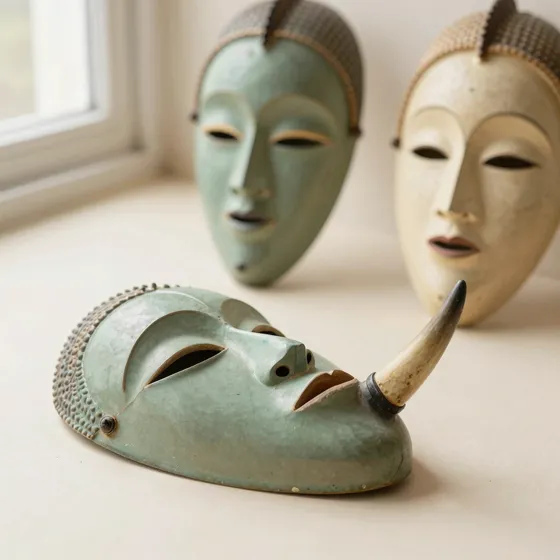
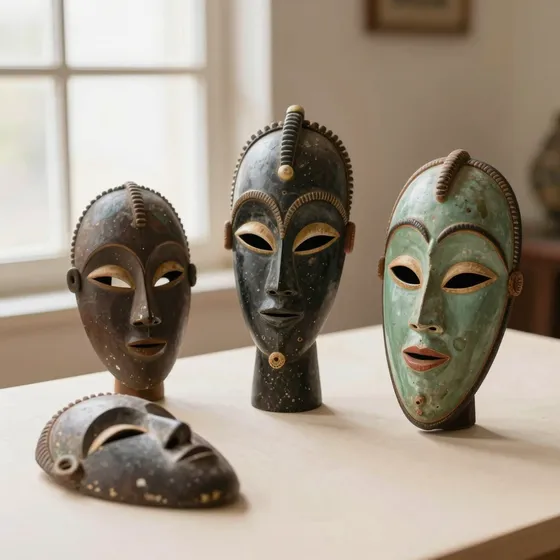
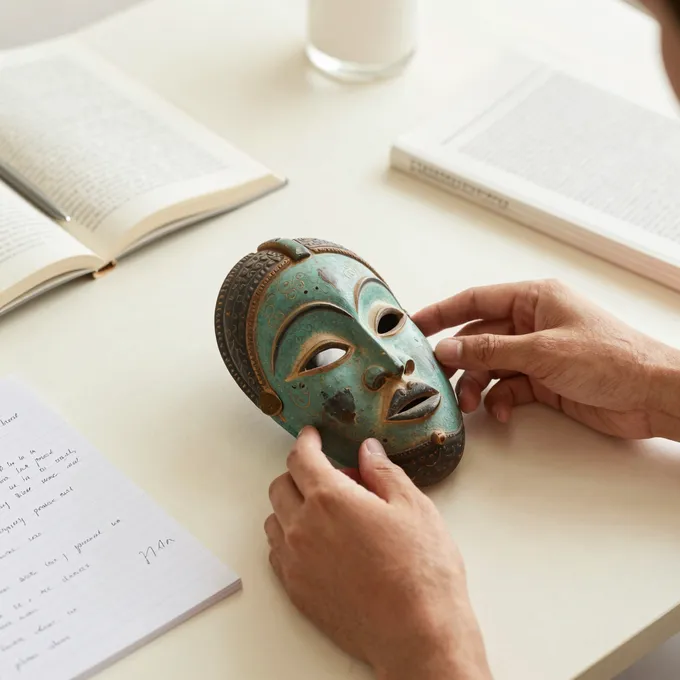
Structured research, reviewed for clarity
We start by comparing your mask against documented sales of pieces from the same region and people, looking at real prices realized rather than asking prices. Our team weighs the carving style, the wood and patina, and any signs of genuine ceremonial use against later decorative work. We read collection labels, old inventory numbers, and any provenance you can share. You receive a plain-English report with an estimated value range and the reasoning behind it, reviewed by our team before it reaches you.
What affects the value of antique African masks
Value here rarely comes down to one detail. Our team weighs several factors together, because a mask's worth depends as much on where and how it was made as on how it looks on a wall.
Origin, people & carving style
A mask's value is tied closely to the culture that produced it. Pieces attributed to well-documented traditions such as Dan, Baule, Senufo, Fang, Punu, Dogon, or Yoruba carving are studied against a deep record of comparable work, and a confident regional attribution can shift a value considerably.
Age, authenticity & ceremonial use
There is a meaningful difference between a mask genuinely made and used in ceremony and a later piece carved for the decorative or travel market. Encrustation from use, wear on the interior, repairs made with local materials, and an honest patina all point toward age and authentic use, which our team assesses carefully.
Comparable sales
We ground every estimate in what similar masks have actually sold for at auction and through dealers, not in optimistic listings. Real results, matched to region, quality, and condition, give the most reliable picture of value.
Decorative carving or genuine ceremonial mask?
This is the question that most affects value, and it is not always obvious from a photograph. Airport and tourist masks were produced in large numbers and can be well carved, while a modest-looking piece with real ceremonial history may be worth far more. Rather than a full identification guide, our team studies the surface, the wood, the wear, and the construction together, then tells you where your mask most likely sits and what that means for its value.
Inherited a collection of African masks?
Masks often arrive together, from a relative who traveled or collected over decades, and a group can range from decorative souvenirs to serious ethnographic pieces. You do not need to sort them yourself. Submit clear photographs of each mask, along with anything you know about where they came from, and our team researches them and returns value ranges with the reasoning for each. It is the simplest way to learn what a mixed collection actually holds.
A few reports we've delivered
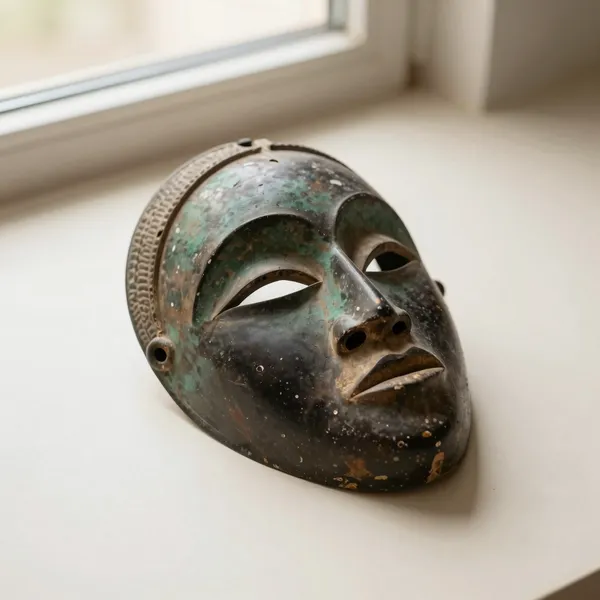
Illustrative: mid-20th-century Dan face mask, West Africa, smooth dark patina and old use wear
$400 - $1,500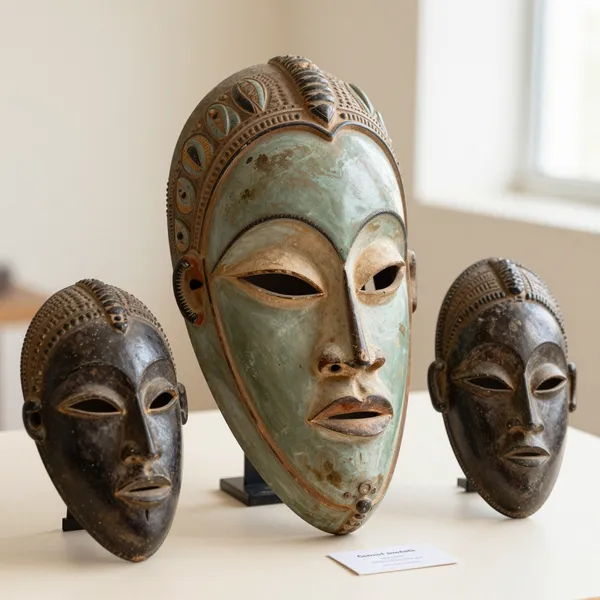
Illustrative: carved Baule portrait mask, Cote d'Ivoire, fine detailing with a collection label
$800 - $3,000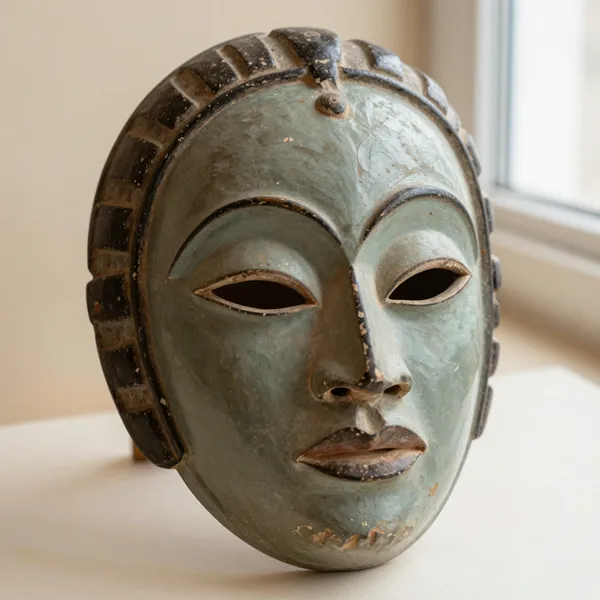
Illustrative: later decorative mask carved for the travel market, good display condition
$40 - $150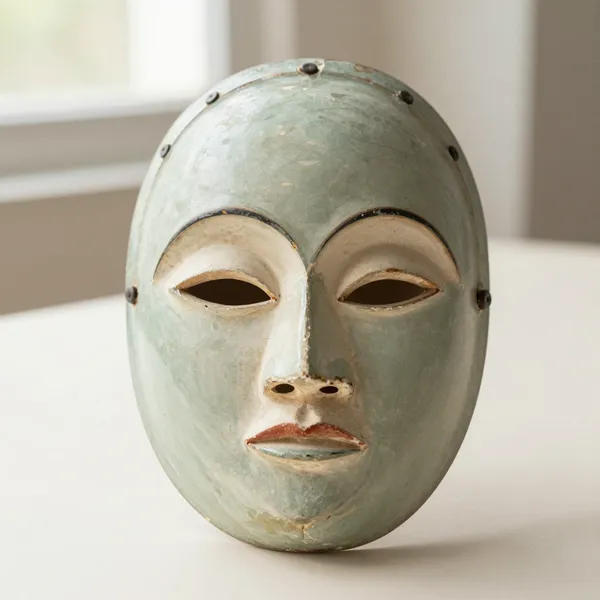
Illustrative: white-faced Punu maiden mask, Gabon, kaolin surface with ceremonial wear
$1,200 - $5,000Estimated ranges shown to guide research — not official appraisals for insurance, tax, or legal use. Illustrative examples.
Questions, answered honestly
How old does something have to be to be an antique?
As a rule of thumb, an antique is generally at least 100 years old. Items roughly 20–99 years old are usually called “vintage,” and the line shifts by category — but age alone never sets value. A 60-year-old designer piece can be worth far more than a century-old everyday object.
What affects the value of my item?
Value comes from a combination of factors: who made it, its age and rarity, condition, originality, provenance (its documented history), and — most of all — what comparable pieces have actually sold for recently. Our research weighs each of these to produce an estimated range.
I’ve inherited a collection — what do I do?
Start with the pieces you’re most curious about, or the ones you suspect are most valuable. Submit them individually, or for more than ten items use our white-glove service and we’ll research the whole batch together at a tailored rate.
Is this an official appraisal?
No. Every report is a thorough, researched estimate to guide your research — not an official appraisal for insurance, tax, or legal purposes. For those uses you’ll want a certified appraiser, and our report is a great, fast first step before that.
How accurate is a researched value report?
Our research is based on real comparable sales and a structured assessment of condition, era, and maker. It’s designed to give you a credible, well-researched estimate quickly. Like any estimate it isn’t a guarantee of sale price, which is why we always give a range rather than a single number.
“I had a vase from my grandmother and no idea where to start. The report was detailed, fast, and honest about the range.”
“Three days, a fair price, and a genuinely useful breakdown of comparable sales. Far better than waiting weeks.”
“Loved that it was upfront about being an estimate. It gave me exactly what I needed before talking to an auction house.”
Illustrative examples shown during launch — verified customer reviews will replace these as reports are delivered.
Find out what your african masks is worth
A thorough, researched value report in 3 days. From $29, no subscription.
Submit Your Item →