Antique audio gear appraisal, online
That vintage amplifier or pair of speakers you inherited, the one that has been sitting in the garage since the seventies, may be worth far more than its dusty casework suggests. Our team researches what pieces like yours actually sell for and returns a thoroughly researched value report in three days.
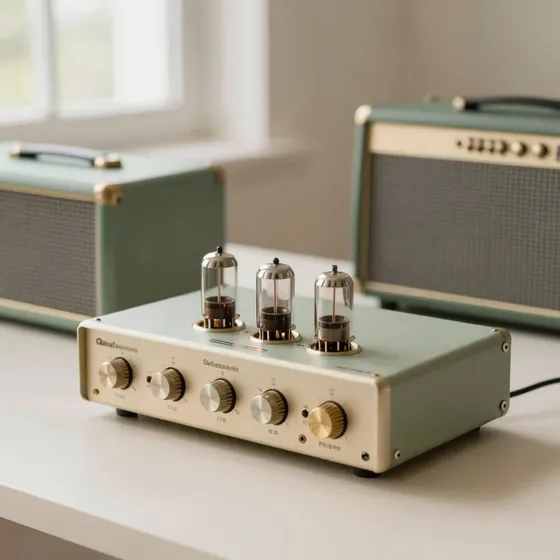
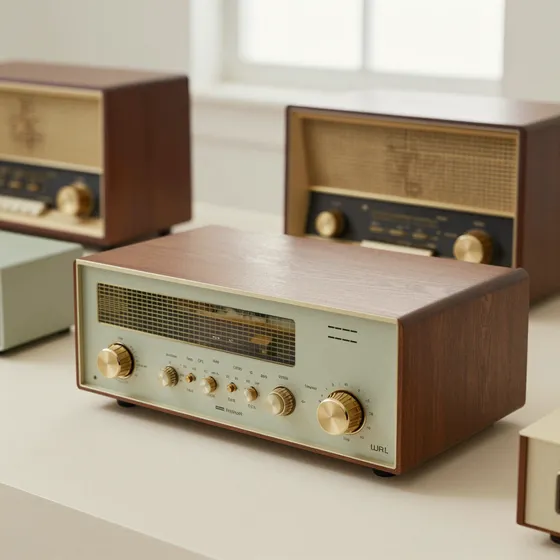
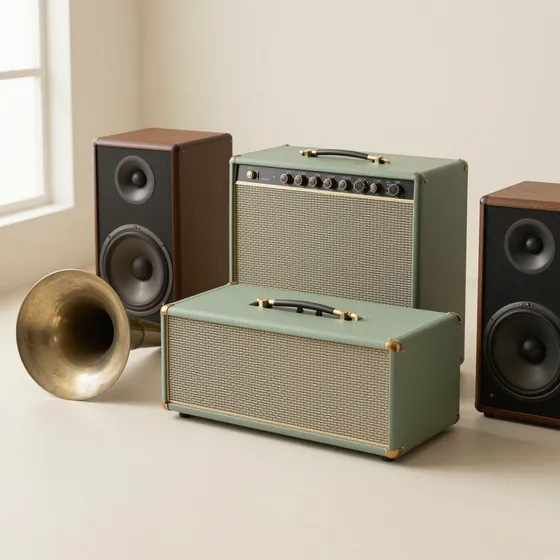
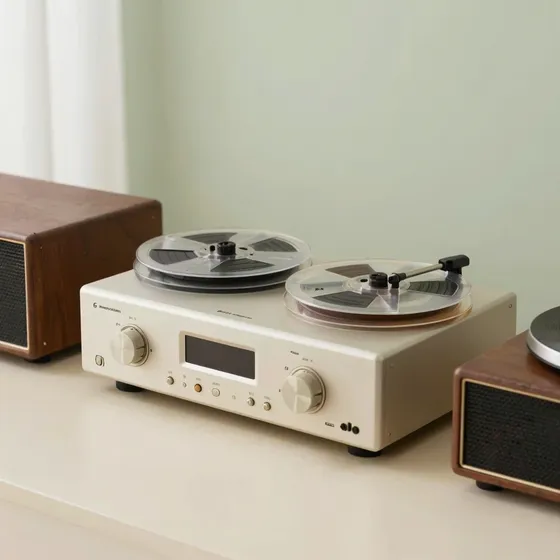
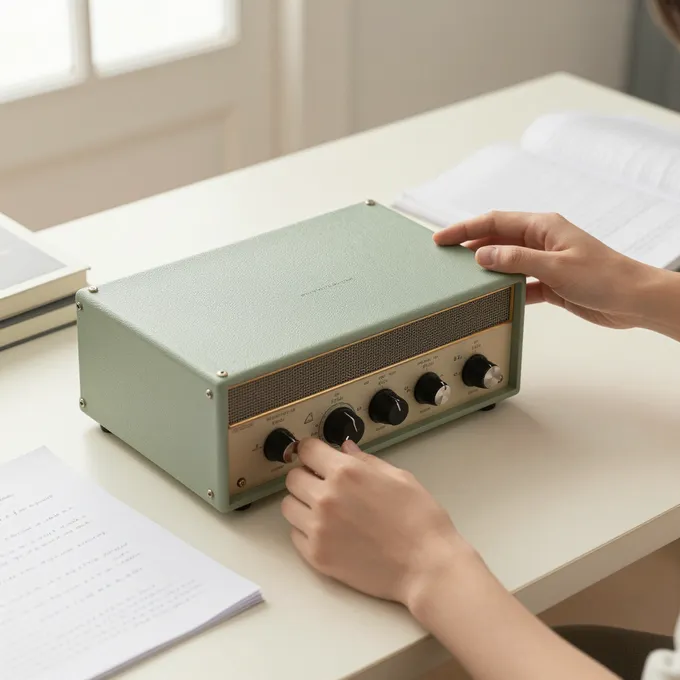
Structured research, reviewed for clarity
We start with the maker and model, then compare your piece against recent verified sales of the same equipment, not asking prices or wishful listings. Our team weighs condition, originality of key components like transformers and drivers, and whether the unit has been serviced or modified. You receive a plain-English report with an estimated value range and the reasoning behind it, reviewed by our team before it reaches you.
What affects the value of antique audio gear
Value rarely comes down to a single detail. Our team weighs several factors together, because a rare model in rough condition and a common model in mint shape can land at very different numbers.
Brand, model & era
A handful of names carry real weight in vintage audio: McIntosh, Marantz, Quad, Leak, Western Electric, and a few others. But the specific model and production year matter just as much. An early tube McIntosh from the 1960s and a mass-market receiver from the same brand a decade later occupy completely different tiers, and collectors know the difference.
Condition & originality
Original output transformers, matching serial numbers, unmodified circuits, and intact drivers all lift value. Careful recapping and servicing are often welcomed, while crude modifications, replaced transformers, or refoamed speakers with mismatched parts can pull a price down. Cosmetic wear to walnut cases and faceplates factors in too.
Comparable sales
We anchor our estimates to what identical or closely matching equipment has actually sold for recently, drawn from real completed transactions rather than optimistic asking prices.
Tubes, solid-state, and why the format matters
Vintage audio splits broadly into tube (valve) gear and later solid-state equipment, and the two are valued on different logic. Tube amplifiers from the golden era often command a premium among listeners who prize their sound, especially low-wattage single-ended and classic push-pull designs. Solid-state receivers from the 1970s have their own devoted following, where clean cosmetics and working meters can matter as much as the electronics. Knowing which camp your piece belongs to, and how the market currently treats it, is a large part of what our team researches for you, rather than something you need to untangle yourself.
Inherited a stereo system or audio collection?
If a full system has come to you, an amplifier, a receiver, a pair of speakers, and a turntable, the pieces are often worth appraising individually, since one component can carry most of the value while another is worth little. Rather than guessing or selling the lot for a flat sum, you can submit the pieces and let our team research each one. Start by submitting your item with a few clear photos and any model numbers you can find, and we will handle the research from there.
A few reports we've delivered
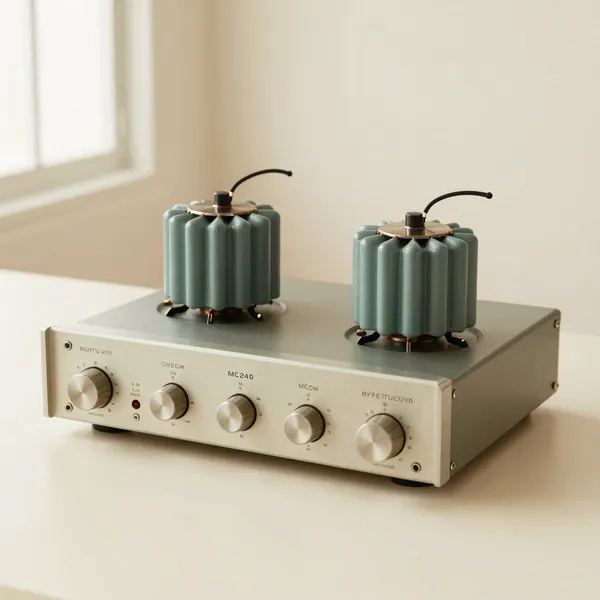
Illustrative: McIntosh MC240 tube power amplifier, early 1960s, original transformers
$3,500 – $6,500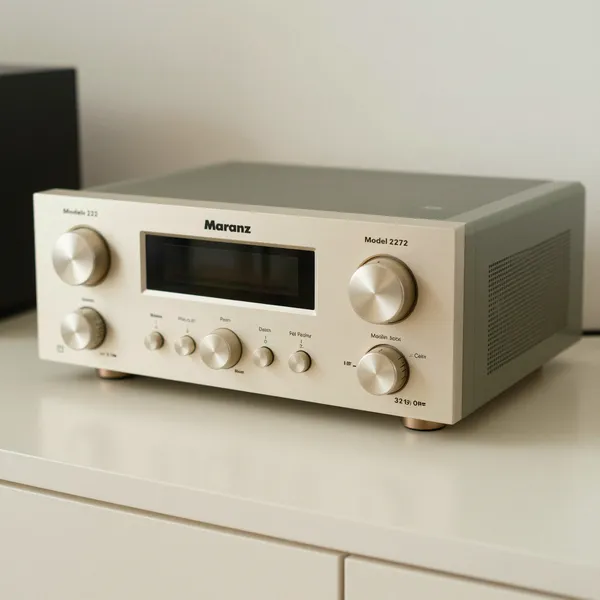
Illustrative: Marantz Model 2270 receiver, 1970s, recently serviced with clean casework
$800 – $1,600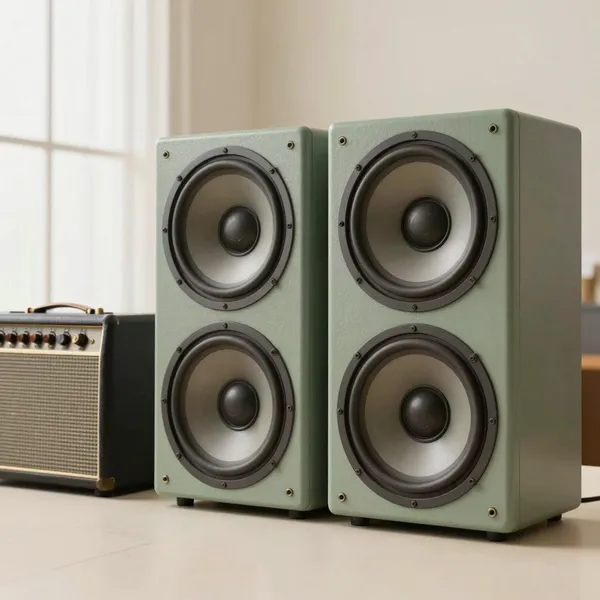
Illustrative: Quad ESL-57 electrostatic speaker pair, restored panels
$700 – $1,800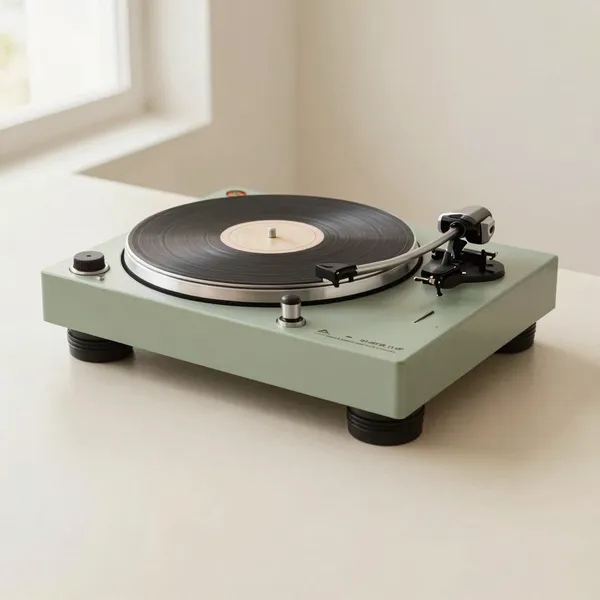
Illustrative: Thorens TD-124 idler-drive turntable, original plinth
$1,000 – $2,200Estimated ranges shown to guide research — not official appraisals for insurance, tax, or legal use. Illustrative examples.
Questions, answered honestly
How old does something have to be to be an antique?
As a rule of thumb, an antique is generally at least 100 years old. Items roughly 20–99 years old are usually called “vintage,” and the line shifts by category — but age alone never sets value. A 60-year-old designer piece can be worth far more than a century-old everyday object.
What affects the value of my item?
Value comes from a combination of factors: who made it, its age and rarity, condition, originality, provenance (its documented history), and — most of all — what comparable pieces have actually sold for recently. Our research weighs each of these to produce an estimated range.
I’ve inherited a collection — what do I do?
Start with the pieces you’re most curious about, or the ones you suspect are most valuable. Submit them individually, or for more than ten items use our white-glove service and we’ll research the whole batch together at a tailored rate.
Is this an official appraisal?
No. Every report is a thorough, researched estimate to guide your research — not an official appraisal for insurance, tax, or legal purposes. For those uses you’ll want a certified appraiser, and our report is a great, fast first step before that.
How accurate is a researched value report?
Our research is based on real comparable sales and a structured assessment of condition, era, and maker. It’s designed to give you a credible, well-researched estimate quickly. Like any estimate it isn’t a guarantee of sale price, which is why we always give a range rather than a single number.
“I had a vase from my grandmother and no idea where to start. The report was detailed, fast, and honest about the range.”
“Three days, a fair price, and a genuinely useful breakdown of comparable sales. Far better than waiting weeks.”
“Loved that it was upfront about being an estimate. It gave me exactly what I needed before talking to an auction house.”
Illustrative examples shown during launch — verified customer reviews will replace these as reports are delivered.
Find out what your amplifiers & audio gear is worth
A thorough, researched value report in 3 days. From $29, no subscription.
Submit Your Item →