Antique gun appraisal, online
That inherited flintlock pistol or old service revolver in the cabinet can be worth a great deal, or very little, depending on details most owners never think to check. Our team researches your antique gun and returns a thoroughly researched value report within three days.
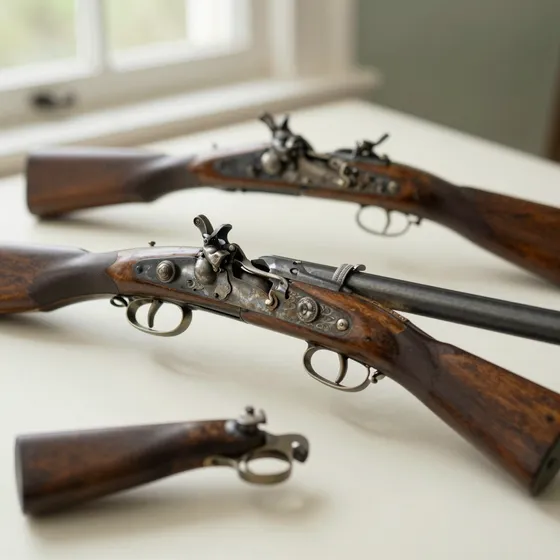
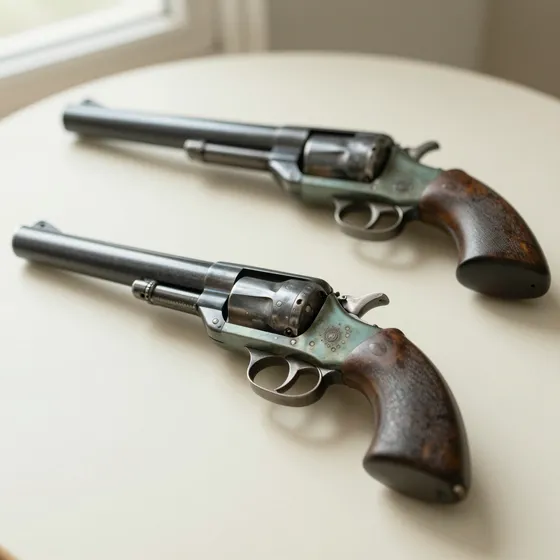
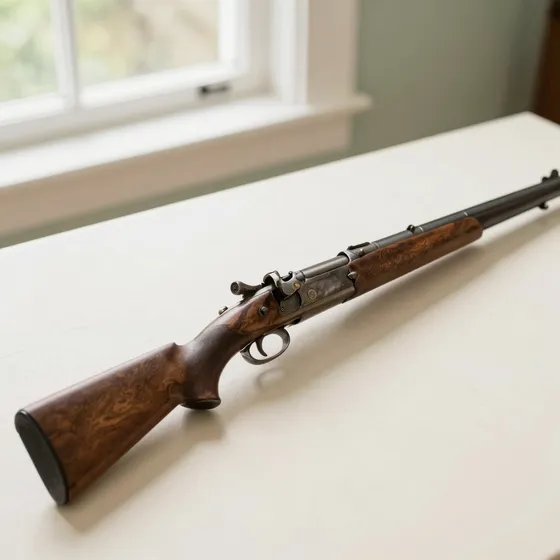
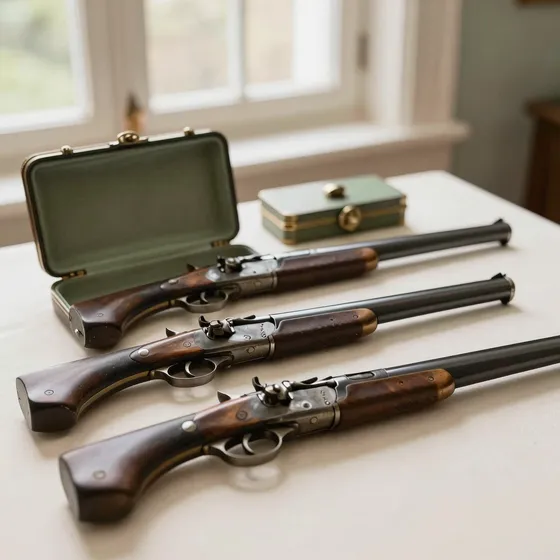
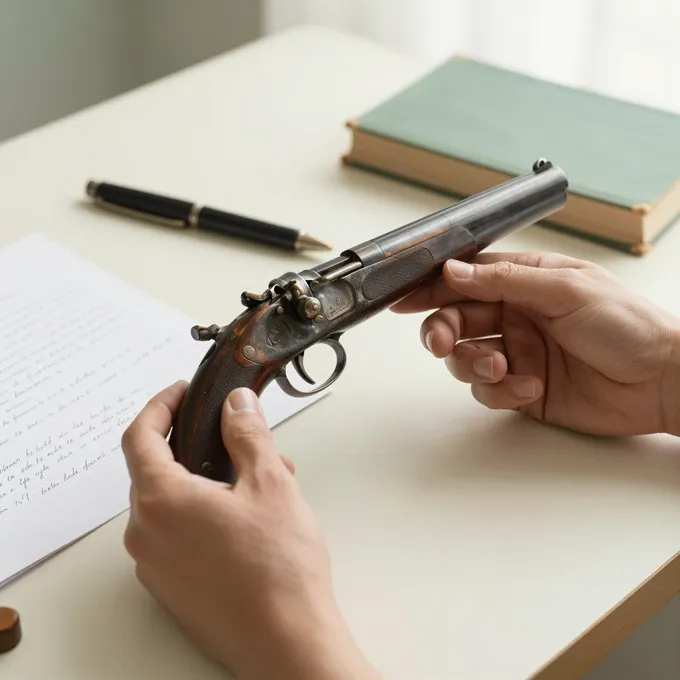
Structured research, reviewed for clarity
We begin with the marks that matter, maker and proof stamps, serial numbers, and the mechanism type, then read them against known production records. We compare your piece to recent auction and dealer results for the same model and grade, weighing originality of the finish, bore, and fittings rather than asking prices alone. Where a firearm has been restored, converted, or fitted with replaced parts, we account for how that shifts value. You receive a plain-English report with an estimated range and the reasoning behind it, reviewed by our team.
What affects the value of antique guns
Value rarely comes down to a single feature. Our team weighs several factors together, because a strong maker with a wrong barrel, or a scarce model in poor condition, tells a very different story than either detail alone.
Maker, model & period
A recognized gunsmith or factory, Colt, Purdey, Manton, or a documented regional flintlock maker, sets the baseline, and the specific model and production period narrow it further. Early or short-run variants of a well-known model often carry a marked premium over the standard version.
Condition & originality
Original finish, matching numbers, an untouched bore, and period-correct fittings support the strongest values. Replaced parts, a percussion-to-cartridge conversion, re-bluing, or a heavily cleaned surface can lower a figure sharply, even when the gun still looks handsome on a shelf.
Comparable sales
We anchor the estimate to what similar guns have actually sold for at auction and through dealers, not to hopeful listing prices. Realized results for the same maker, model, and grade give the most reliable read on today's market.
Proof marks, provenance, and why the details decide it
Two guns that look identical across a room can differ widely in value once the marks are read. Proof and inspector stamps place where and roughly when a gun was made and tested, and a maker's signature or retailer's name can confirm a desirable attribution or reveal a later trade piece. Documented history adds further weight, an original case with its accessories, a regimental mark, a named former owner. We look for these signals and research what they mean for your particular gun, without turning the report into a manual you could use to value it yourself.
Inherited a firearm or a whole collection?
Many people come to us after a relative's guns pass down, unsure whether they hold family keepsakes or something more significant. You do not need to identify anything yourself. Photograph each piece clearly, including any marks, the lock or action, and the underside of the barrel, tell us what you know of its history, and submit it. Our team researches each firearm and returns a value report so you can decide what to keep, insure, or sell with a clear sense of what you have. Note that we provide researched value estimates, not formal appraisals or legal guidance on ownership and transfer.
A few reports we've delivered
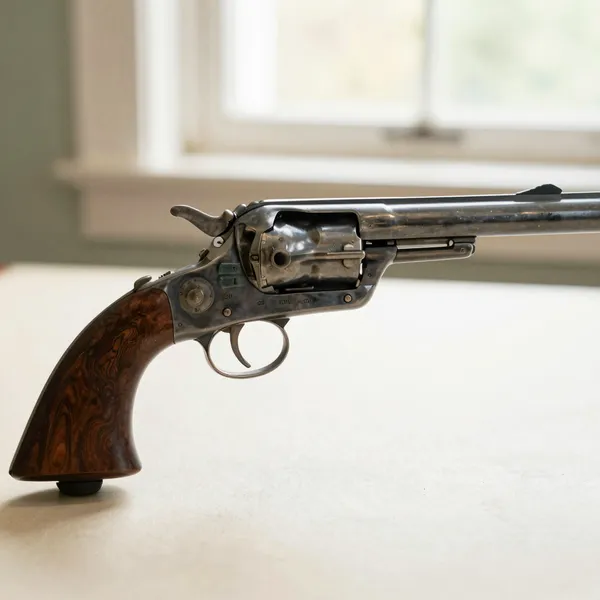
Illustrative: mid-19th-century Colt percussion revolver, matching numbers and original finish
$1,800 - $5,500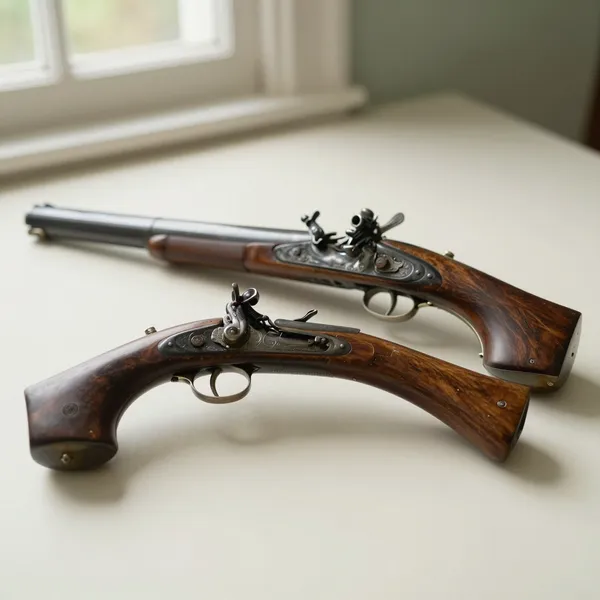
Illustrative: cased pair of early-1800s English flintlock dueling pistols by a named maker
$4,000 - $12,000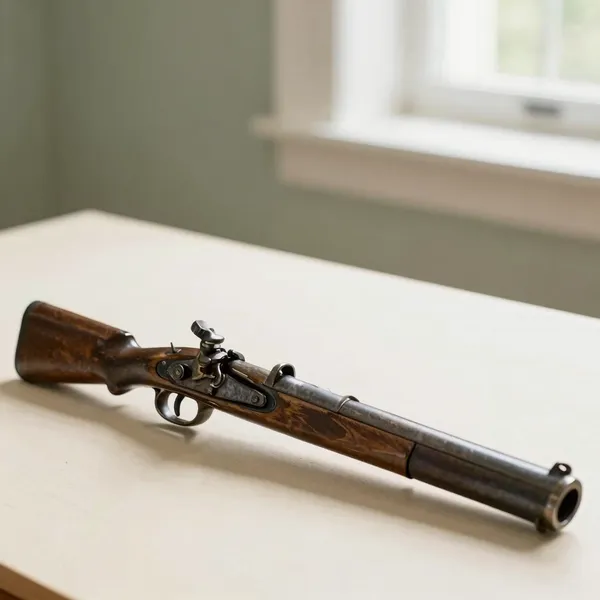
Illustrative: British or American military musket, original flintlock and honest untouched surface
$1,200 - $3,500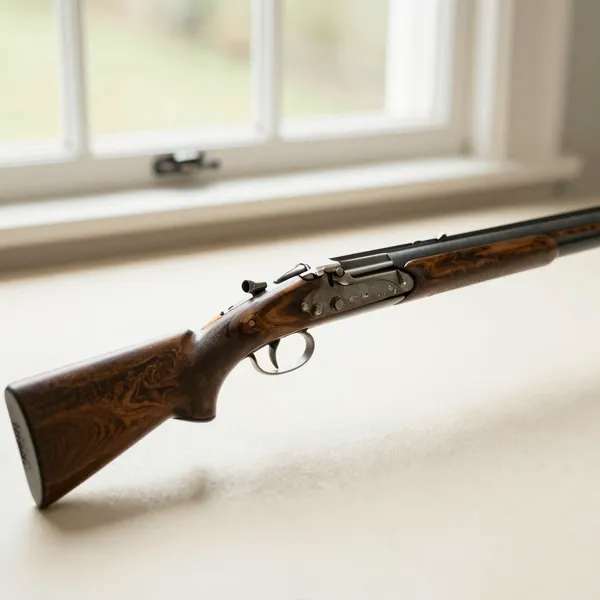
Illustrative: Victorian English double-barrel sporting gun by a respected London maker
$1,500 - $4,500Estimated ranges shown to guide research — not official appraisals for insurance, tax, or legal use. Illustrative examples.
Questions, answered honestly
How old does something have to be to be an antique?
As a rule of thumb, an antique is generally at least 100 years old. Items roughly 20–99 years old are usually called “vintage,” and the line shifts by category — but age alone never sets value. A 60-year-old designer piece can be worth far more than a century-old everyday object.
What affects the value of my item?
Value comes from a combination of factors: who made it, its age and rarity, condition, originality, provenance (its documented history), and — most of all — what comparable pieces have actually sold for recently. Our research weighs each of these to produce an estimated range.
I’ve inherited a collection — what do I do?
Start with the pieces you’re most curious about, or the ones you suspect are most valuable. Submit them individually, or for more than ten items use our white-glove service and we’ll research the whole batch together at a tailored rate.
Is this an official appraisal?
No. Every report is a thorough, researched estimate to guide your research — not an official appraisal for insurance, tax, or legal purposes. For those uses you’ll want a certified appraiser, and our report is a great, fast first step before that.
How accurate is a researched value report?
Our research is based on real comparable sales and a structured assessment of condition, era, and maker. It’s designed to give you a credible, well-researched estimate quickly. Like any estimate it isn’t a guarantee of sale price, which is why we always give a range rather than a single number.
“I had a vase from my grandmother and no idea where to start. The report was detailed, fast, and honest about the range.”
“Three days, a fair price, and a genuinely useful breakdown of comparable sales. Far better than waiting weeks.”
“Loved that it was upfront about being an estimate. It gave me exactly what I needed before talking to an auction house.”
Illustrative examples shown during launch — verified customer reviews will replace these as reports are delivered.
Find out what your antique guns is worth
A thorough, researched value report in 3 days. From $29, no subscription.
Submit Your Item →