Antiquities appraisal, online
That ancient piece you inherited, or picked up years ago and never quite placed, may be older and more interesting than it looks. Our team researches its likely origin, period, and market value, then returns a plain-English report within 3 days.
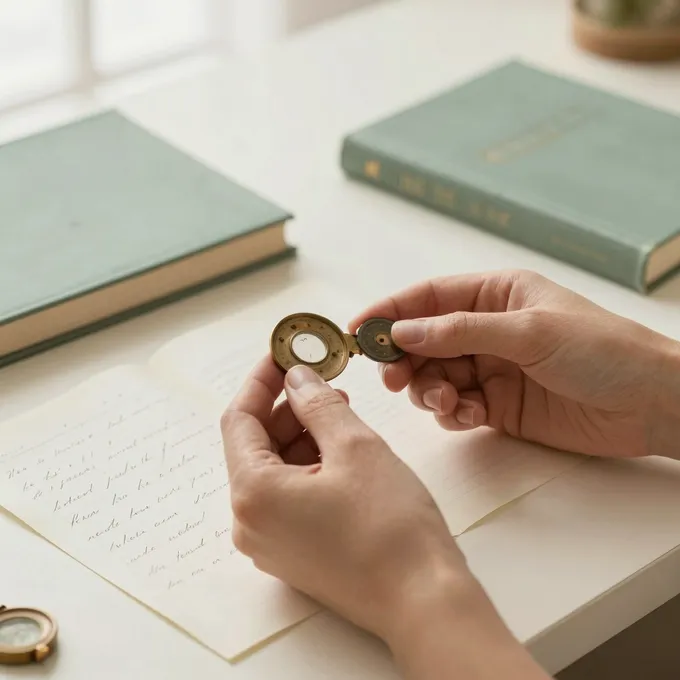
Structured research, reviewed for clarity
We begin by comparing your piece against recent sales of similar antiquities, using realized auction prices rather than asking prices. Our team weighs the object's likely culture and period, its condition and any restoration, and whatever provenance or documentation you can share. We read the material, surface, and workmanship the way the trade does, then set out an estimated value range with the reasoning behind it. Every report is reviewed by our team before it reaches you.
What affects the value of antiquities
The value of an ancient object rarely comes down to a single feature. Our team weighs several factors together, because a strong showing in one can be offset by a weakness in another.
Culture, period & authenticity
A Roman bronze, a Greek vase, and an Egyptian faience figure are each read against different benchmarks. Our team studies form, material, and workmanship to place a piece in its likely culture and period, since a securely dated, clearly authentic object is worth far more than one whose age is uncertain.
Provenance & documentation
With antiquities, ownership history carries unusual weight. A documented chain of prior ownership, old collection labels, or export paperwork can lift value and reassure a buyer, while an object with no history at all is harder to place. We note what your documentation supports.
Condition, restoration & comparable sales
Completeness, surface wear, and any repair or restoration all move the number, and heavy restoration is usually discounted. We anchor the estimate to real, realized sales of comparable pieces, not the optimistic figures sometimes seen on asking listings.
Genuine, reproduction, or later copy?
The antiquities market has long attracted reproductions, from nineteenth-century Grand Tour souvenirs to modern decorative casts. Telling a genuine ancient piece from a later copy takes careful comparison with documented examples, and that is exactly the judgment our team applies when we research your object. Rather than have you run every test yourself, we assess the piece and tell you where it most likely sits, and what that means for its value.
Inherited a box of antiquities?
Estates and old collections often surface a mix of small ancient objects, oil lamps, coins, beads, and fragments, sometimes with nothing written down. If you are holding a group and unsure where to begin, you do not need to sort it first. Share clear photos and anything you know about where the pieces came from, submit your item, and our team will research what you have and which pieces deserve the closest look.
A few reports we've delivered
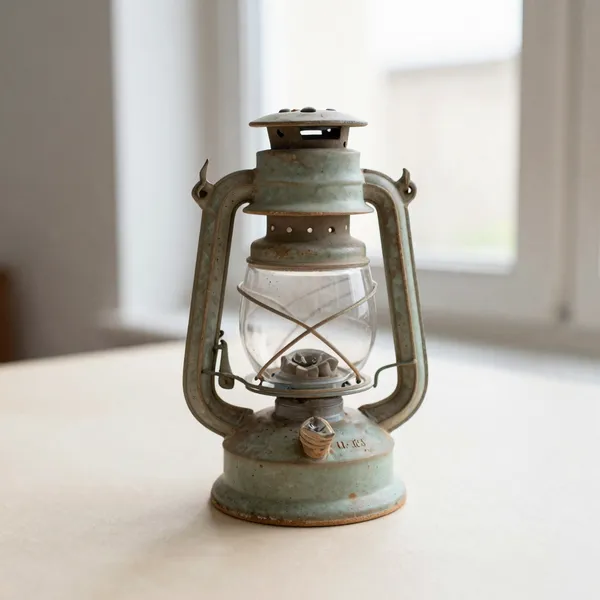
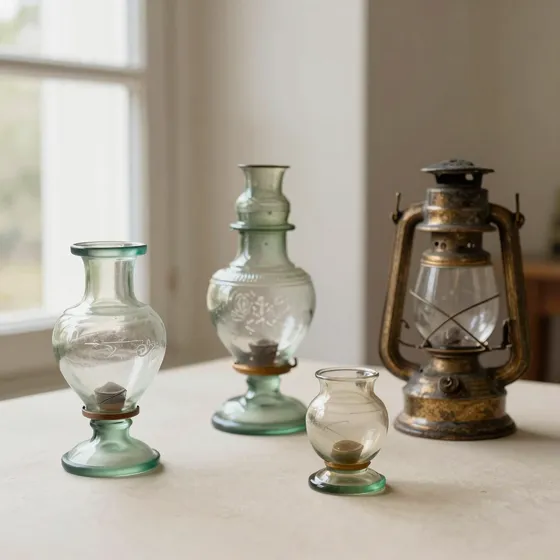
Illustrative: Roman terracotta oil lamp, 1st to 2nd century, figural discus
$200 - $600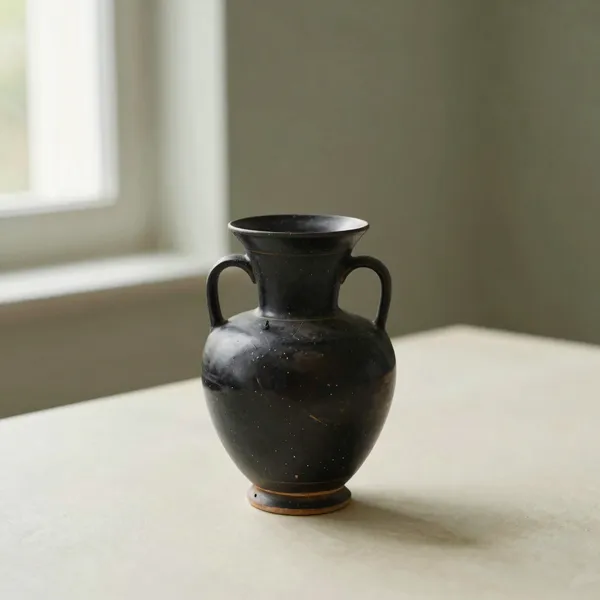
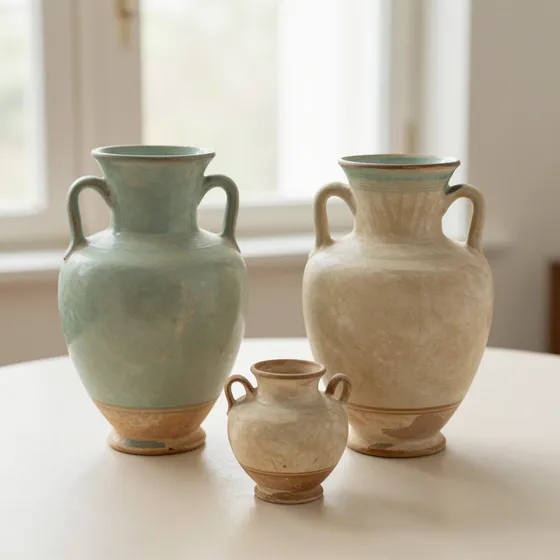
Illustrative: Greek Attic black-glaze small vessel, 4th century BC
$500 - $1,800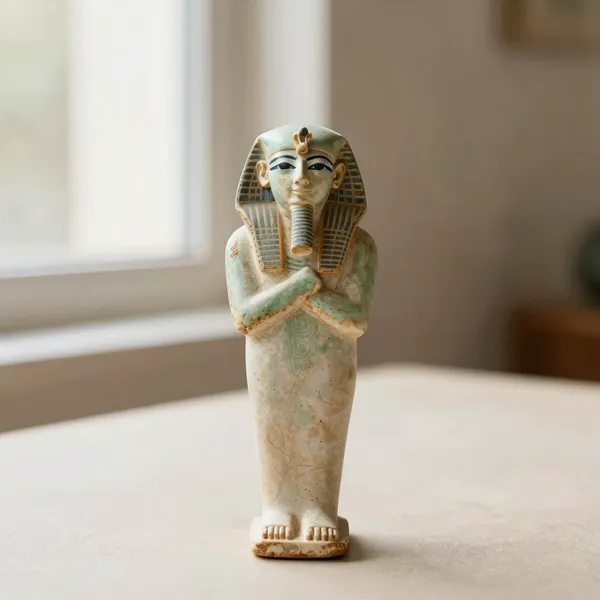
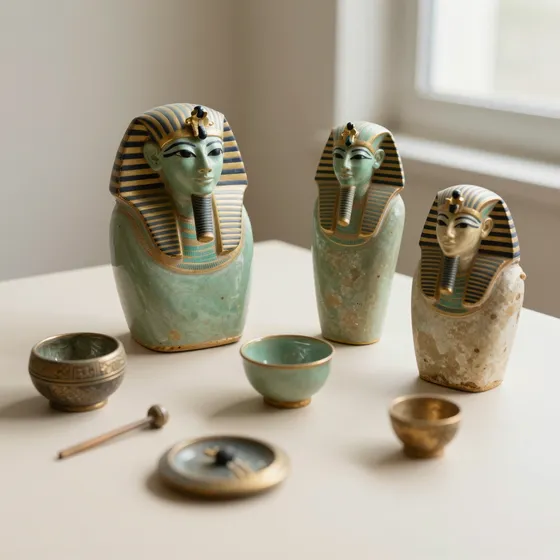
Illustrative: Egyptian faience ushabti figure, Late Period
$800 - $3,000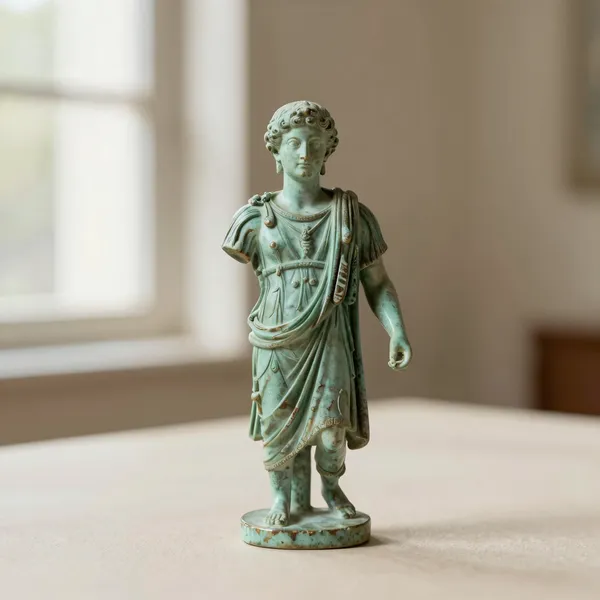
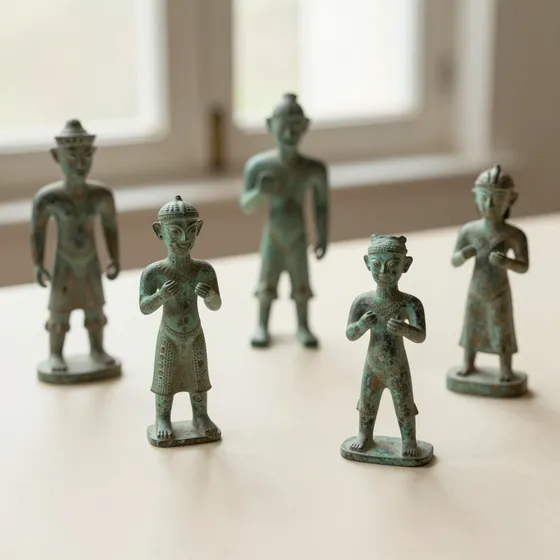
Illustrative: Roman bronze figure of a deity, 2nd century
$2,500 - $9,000Estimated ranges shown to guide research — not official appraisals for insurance, tax, or legal use. Illustrative examples.
Questions, answered honestly
How old does something have to be to be an antique?
As a rule of thumb, an antique is generally at least 100 years old. Items roughly 20–99 years old are usually called “vintage,” and the line shifts by category — but age alone never sets value. A 60-year-old designer piece can be worth far more than a century-old everyday object.
What affects the value of my item?
Value comes from a combination of factors: who made it, its age and rarity, condition, originality, provenance (its documented history), and — most of all — what comparable pieces have actually sold for recently. Our research weighs each of these to produce an estimated range.
I’ve inherited a collection — what do I do?
Start with the pieces you’re most curious about, or the ones you suspect are most valuable. Submit them individually, or for more than ten items use our white-glove service and we’ll research the whole batch together at a tailored rate.
Is this an official appraisal?
No. Every report is a thorough, researched estimate to guide your research — not an official appraisal for insurance, tax, or legal purposes. For those uses you’ll want a certified appraiser, and our report is a great, fast first step before that.
How accurate is a researched value report?
Our research is based on real comparable sales and a structured assessment of condition, era, and maker. It’s designed to give you a credible, well-researched estimate quickly. Like any estimate it isn’t a guarantee of sale price, which is why we always give a range rather than a single number.
“I had a vase from my grandmother and no idea where to start. The report was detailed, fast, and honest about the range.”
“Three days, a fair price, and a genuinely useful breakdown of comparable sales. Far better than waiting weeks.”
“Loved that it was upfront about being an estimate. It gave me exactly what I needed before talking to an auction house.”
Illustrative examples shown during launch — verified customer reviews will replace these as reports are delivered.
Find out what your antiquities is worth
A thorough, researched value report in 3 days. From $29, no subscription.
Submit Your Item →