Antique armoire appraisal, online
That tall carved wardrobe you inherited, perhaps a French provincial piece that has stood in the family for generations, may be worth more than you'd expect. Our team researches its region, construction, and comparable sales, then sends you a clear value report within three days.
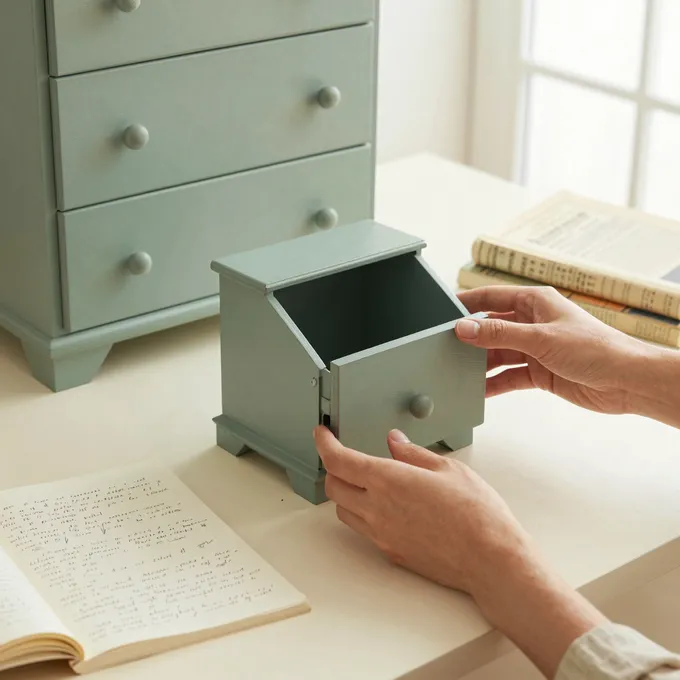
Structured research, reviewed for clarity
We start by placing your armoire in its likely region and period, then weigh the details that move value: the wood, the joinery, the hardware, and the quality of any carving. We compare it against real sold records for similar pieces, not asking prices, and account for condition, originality, and whether the piece was ever altered or married from parts. You receive a plain-English report with an estimated value range and the reasoning behind it, reviewed by our team before it reaches you.
What affects the value of an antique armoire
An armoire's value rarely comes down to a single feature. Our team weighs several factors together, because a tall, handsome cabinet can be worth a few hundred dollars or several thousand depending on where and how it was made.
Region, wood & period
A walnut Louis XV armoire from Provence reads very differently from a Dutch oak example or a German Schrank. Regional style, timber, and period all shape desirability, and the same silhouette can carry a different value depending on its origin.
Construction & originality
Hand-cut, pegged joinery and demountable knock-down frames point to age and quality, while original iron or brass hardware, hinges, and escutcheons matter as much as the case itself. Replaced doors, re-cut feet, or a piece married from unrelated parts pull value down.
Comparable sales
We anchor every estimate to what comparable armoires have actually sold for, drawn from real auction and dealer records rather than optimistic asking prices.
Why two similar armoires can be worth very different amounts
Two armoires of the same height and shape can sit at opposite ends of a value range. A Breton marriage armoire with crisp, original carving and its first finish is a different proposition from a plainer provincial cupboard that has been stripped and refitted. Depth of carving, honest patina, and how complete the original surfaces and hardware are all tip the scales. Rather than teach you to grade every one of these yourself, our team studies them in context and tells you where your particular piece lands.
Inherited an armoire you can't move?
Large case furniture often arrives by inheritance, and its size can make it feel more like a burden than a treasure. Before you sell it locally or give it away, it is worth knowing what it is. Photograph the front, the interior, the hardware, and any marks or construction visible from the back, then submit your item and let our team research it for you. You'll have a grounded value range in three days to guide whatever you decide next.
A few reports we've delivered
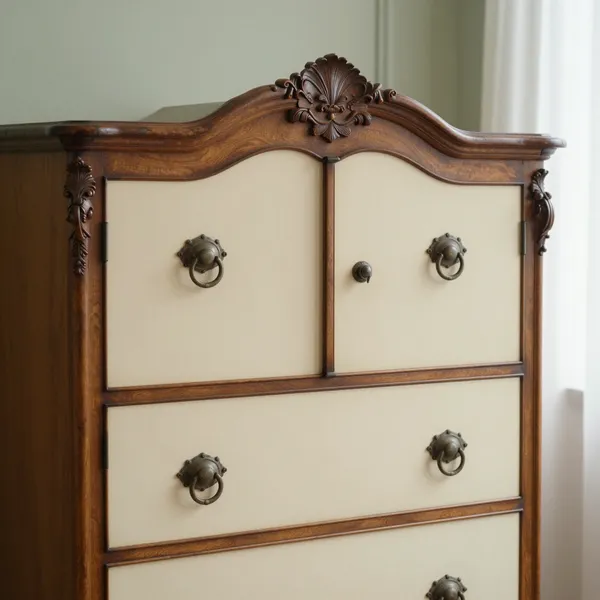
Illustrative: 19th-century Louis XV-style walnut armoire from Normandy, carved crest with original iron hardware
$1,800 – $4,500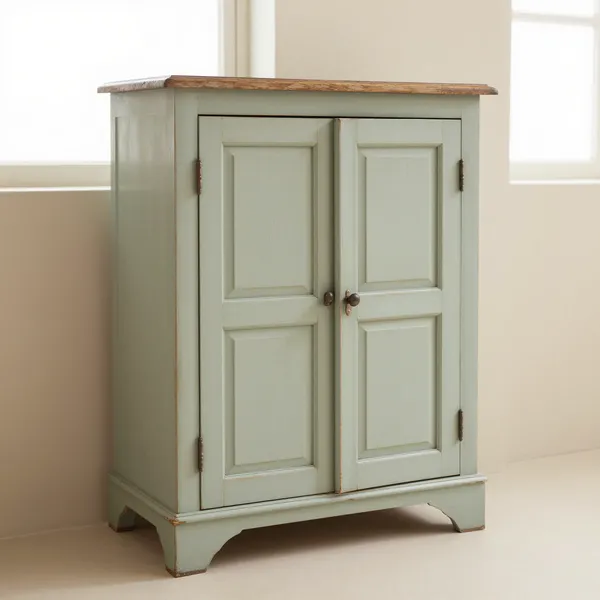
Illustrative: late 18th-century cherry bonnetiere, single door, provincial French
$1,200 – $3,200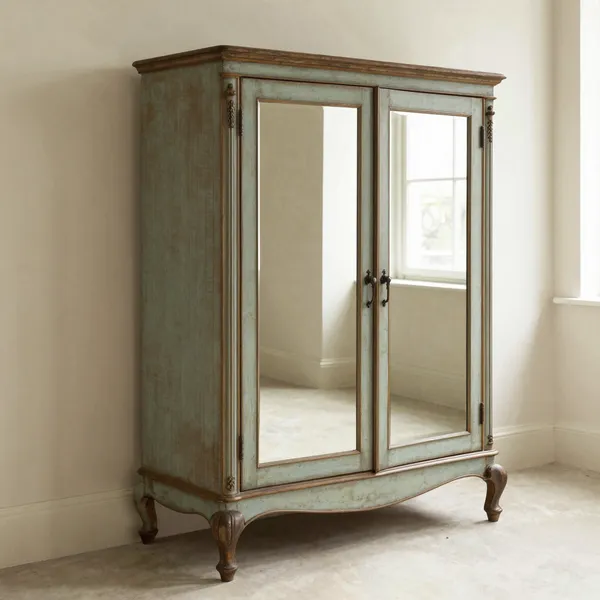
Illustrative: 19th-century Dutch oak armoire with beveled mirror doors and bombe base
$900 – $2,800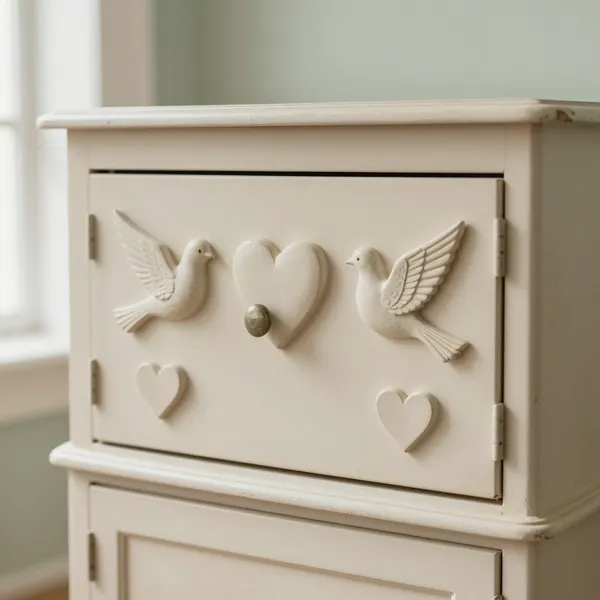
Illustrative: Breton marriage armoire carved with doves and hearts, original finish
$2,500 – $6,000Estimated ranges shown to guide research — not official appraisals for insurance, tax, or legal use. Illustrative examples.
Questions, answered honestly
How old does something have to be to be an antique?
As a rule of thumb, an antique is generally at least 100 years old. Items roughly 20–99 years old are usually called “vintage,” and the line shifts by category — but age alone never sets value. A 60-year-old designer piece can be worth far more than a century-old everyday object.
What affects the value of my item?
Value comes from a combination of factors: who made it, its age and rarity, condition, originality, provenance (its documented history), and — most of all — what comparable pieces have actually sold for recently. Our research weighs each of these to produce an estimated range.
I’ve inherited a collection — what do I do?
Start with the pieces you’re most curious about, or the ones you suspect are most valuable. Submit them individually, or for more than ten items use our white-glove service and we’ll research the whole batch together at a tailored rate.
Is this an official appraisal?
No. Every report is a thorough, researched estimate to guide your research — not an official appraisal for insurance, tax, or legal purposes. For those uses you’ll want a certified appraiser, and our report is a great, fast first step before that.
How accurate is a researched value report?
Our research is based on real comparable sales and a structured assessment of condition, era, and maker. It’s designed to give you a credible, well-researched estimate quickly. Like any estimate it isn’t a guarantee of sale price, which is why we always give a range rather than a single number.
“I had a vase from my grandmother and no idea where to start. The report was detailed, fast, and honest about the range.”
“Three days, a fair price, and a genuinely useful breakdown of comparable sales. Far better than waiting weeks.”
“Loved that it was upfront about being an estimate. It gave me exactly what I needed before talking to an auction house.”
Illustrative examples shown during launch — verified customer reviews will replace these as reports are delivered.
Find out what your armoires is worth
A thorough, researched value report in 3 days. From $29, no subscription.
Submit Your Item →