Antique Asian costume appraisal, online
That embroidered silk robe or kimono passed down in your family may hold more value than you expect, or a story worth confirming. Our team researches comparable sales, period, and craftsmanship to deliver a clear value report within three days.
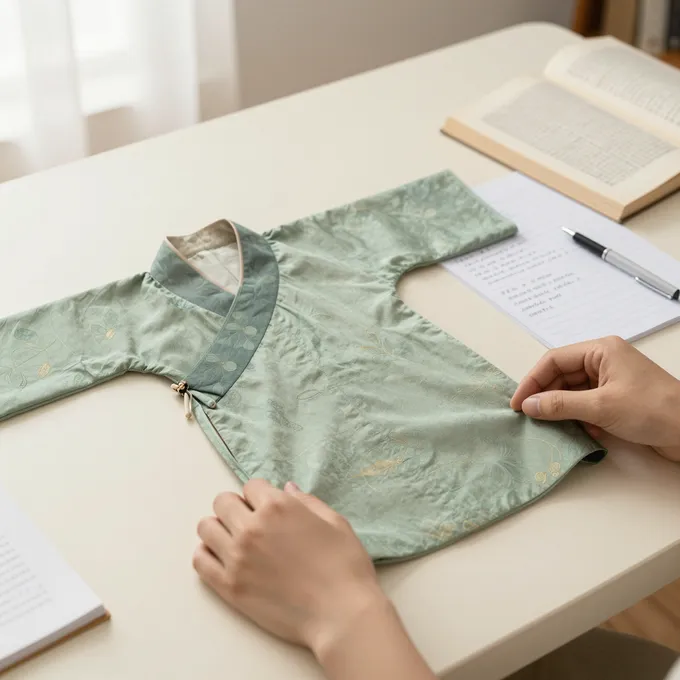
Structured research, reviewed for clarity
We begin by studying the garment against records of comparable pieces that have actually sold, not asking prices. Our researchers weigh the textile, the quality and density of the embroidery, the likely period and region, and any rank or ceremonial markings. We read maker or workshop indications where they survive, and assess condition and originality closely, since restoration and fading move value sharply. The result is a plain-English report with an estimated range and the reasoning behind it, reviewed by our team before it reaches you.
What affects the value of antique Asian costumes
Value rarely comes down to a single feature. Our team weighs several factors together, because a robe with fine silk but heavy losses can be worth far less than a humbler piece in original condition. The interplay of material, workmanship, period, and provenance is what a thorough report untangles.
Period, region & workmanship
A Qing court robe, a Meiji-period furisode, and a mid-century opera costume occupy very different value tiers. Region and era shape the silk weave, dye palette, and embroidery technique, and the density and precision of the needlework often separates a decorative garment from a genuinely collectible one.
Condition & originality
Silk is fragile. Fading, water staining, split seams, moth damage, and later alterations all pull value down, while an untouched lining, original closures, and stable thread work support it. We look for signs of re-dyeing or replaced panels, which change the picture considerably.
Comparable sales
We ground every estimate in what similar costumes have genuinely sold for at auction and private sale, adjusted for condition and rarity. Realized prices, not optimistic listings, are what make a range trustworthy.
The language of rank, ceremony and symbol
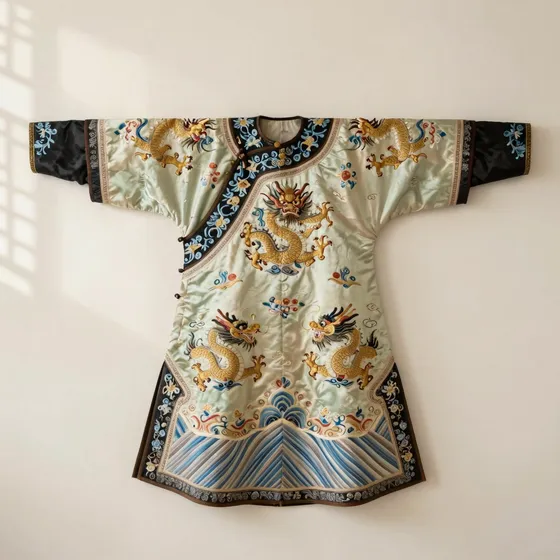
Much of a costume's value lives in what its decoration signified. A five-clawed dragon, a rank badge, wave-and-mountain hems, or a wedding uchikake's cranes each point to status, occasion, and era. Reading these signs well is where research adds the most, and where a quick glance most often misjudges a piece. We consider how these motifs, combined with construction and materials, place your garment in its likely context rather than leaving you to guess.
Inherited a wardrobe or collection?
Families often come to us with several pieces at once, a grandparent's kimono alongside robes bought while travelling decades ago. Some prove modest, others surprising, and it is hard to know which is which by eye. The simplest first step is to submit clear photographs of each piece and let our team research them together, so you understand the whole group before deciding what to keep, insure, or part with.
A few reports we've delivered
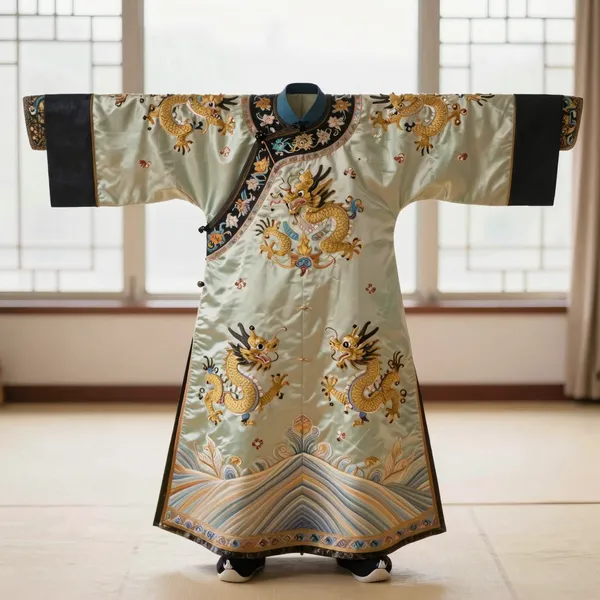
Illustrative: Qing dynasty embroidered silk dragon robe (jifu) with couched gold thread
$2,000 – $6,000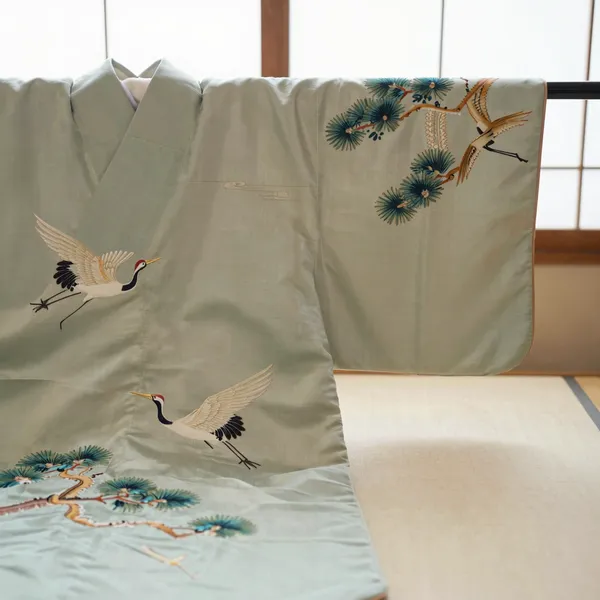
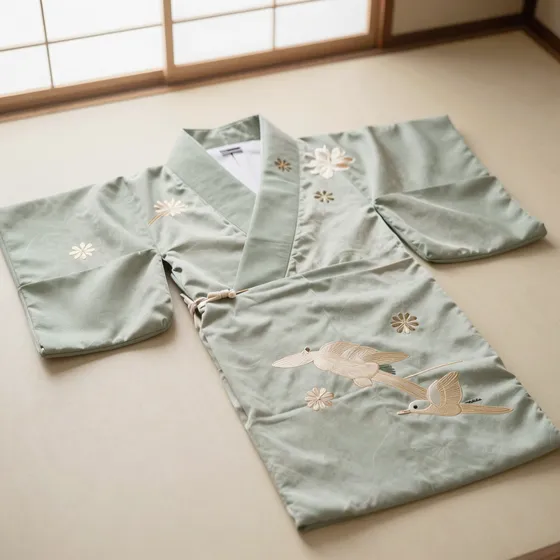
Illustrative: Meiji-period embroidered silk furisode with crane and pine motifs
$400 – $1,200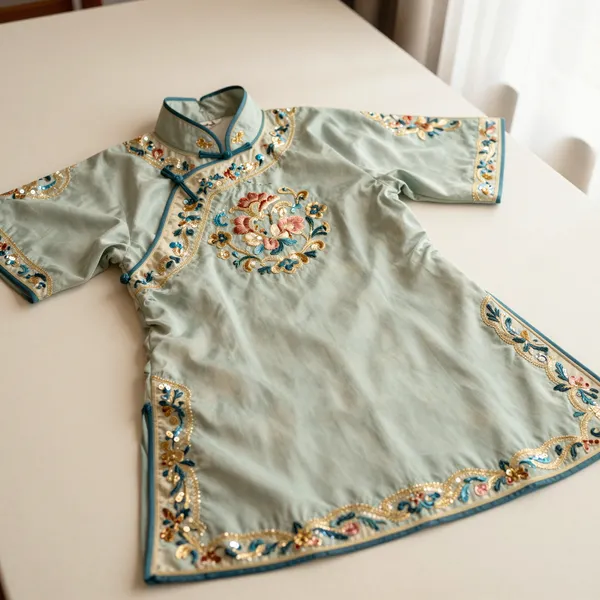
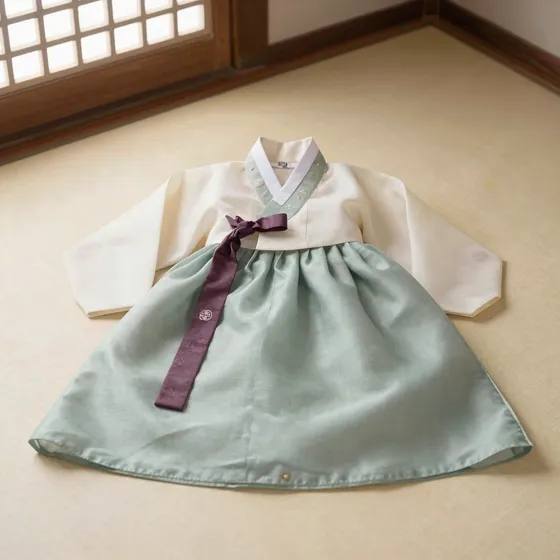
Illustrative: mid-20th-century Chinese opera costume with sequin and appliqué work
$150 – $500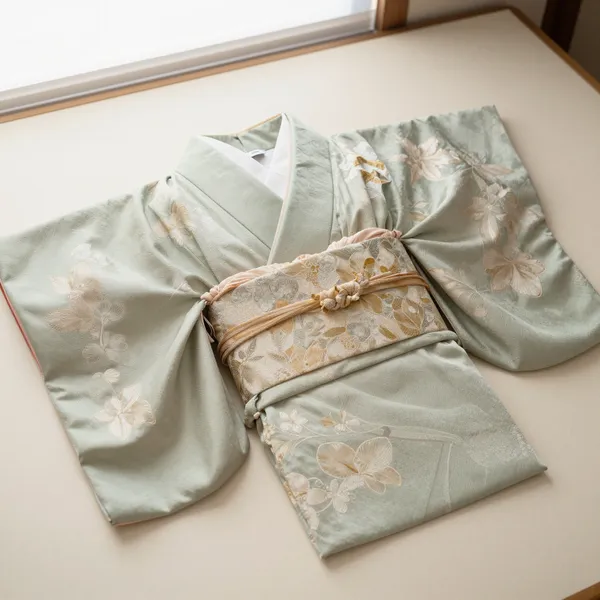
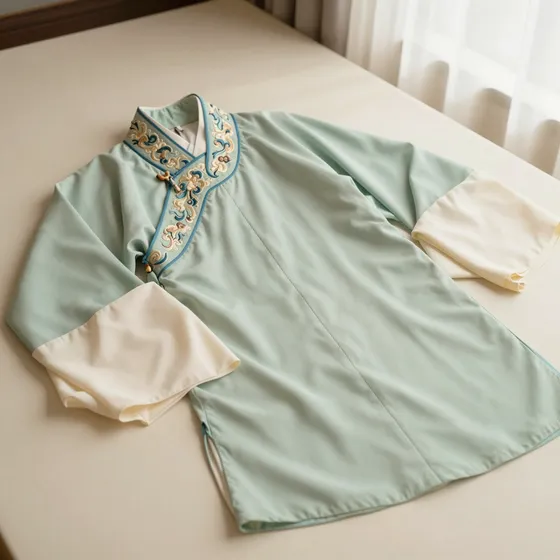
Illustrative: early 20th-century uchikake wedding kimono in figured silk brocade
$700 – $2,400Estimated ranges shown to guide research — not official appraisals for insurance, tax, or legal use. Illustrative examples.
Questions, answered honestly
How old does something have to be to be an antique?
As a rule of thumb, an antique is generally at least 100 years old. Items roughly 20–99 years old are usually called “vintage,” and the line shifts by category — but age alone never sets value. A 60-year-old designer piece can be worth far more than a century-old everyday object.
What affects the value of my item?
Value comes from a combination of factors: who made it, its age and rarity, condition, originality, provenance (its documented history), and — most of all — what comparable pieces have actually sold for recently. Our research weighs each of these to produce an estimated range.
I’ve inherited a collection — what do I do?
Start with the pieces you’re most curious about, or the ones you suspect are most valuable. Submit them individually, or for more than ten items use our white-glove service and we’ll research the whole batch together at a tailored rate.
Is this an official appraisal?
No. Every report is a thorough, researched estimate to guide your research — not an official appraisal for insurance, tax, or legal purposes. For those uses you’ll want a certified appraiser, and our report is a great, fast first step before that.
How accurate is a researched value report?
Our research is based on real comparable sales and a structured assessment of condition, era, and maker. It’s designed to give you a credible, well-researched estimate quickly. Like any estimate it isn’t a guarantee of sale price, which is why we always give a range rather than a single number.
“I had a vase from my grandmother and no idea where to start. The report was detailed, fast, and honest about the range.”
“Three days, a fair price, and a genuinely useful breakdown of comparable sales. Far better than waiting weeks.”
“Loved that it was upfront about being an estimate. It gave me exactly what I needed before talking to an auction house.”
Illustrative examples shown during launch — verified customer reviews will replace these as reports are delivered.
Find out what your asian costumes is worth
A thorough, researched value report in 3 days. From $29, no subscription.
Submit Your Item →