Antique Asian furniture appraisal, online
That carved cabinet or low table you inherited, the one with the dark grain and the peg joints, may be worth far more, or far less, than it looks. Our team researches its wood, region, and period and sends you a plain-English value report in three days.
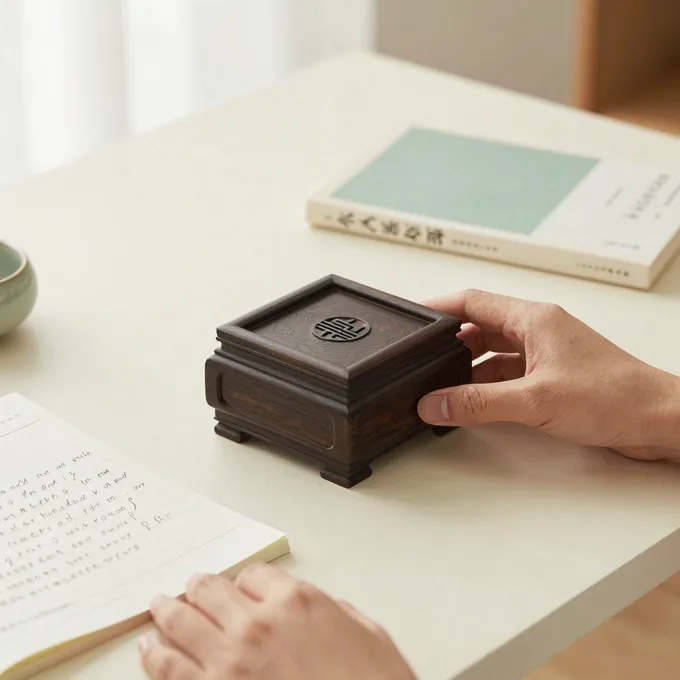
Structured research, reviewed for clarity
We start by placing your piece within its tradition, Chinese hardwood, Japanese tansu, Korean, or Southeast Asian, then read the wood, joinery, and hardware for clues to period and origin. We compare it against recent auction and dealer sales of genuinely similar pieces, not asking prices, weighing condition, surface, and any repairs or later additions. You receive a written report with an estimated value range and the reasoning behind it, reviewed by our team before it reaches you.
What affects the value of antique Asian furniture
Value here rarely rests on a single feature. A cabinet's worth comes from how its wood, construction, region, and condition line up together, and our team weighs these as a whole rather than in isolation.
Wood, region & period
The material often sets the ceiling. Dense tropical hardwoods like huanghuali and zitan sit far above softer elm or lacquered softwood, and a Ming-era form carries different weight than a later Qing or export piece. Region matters too, a Chinese scholar's table, a Japanese tansu, and a Korean chest each trade in their own market.
Joinery & construction
Traditional Asian furniture was built with mortise-and-tenon joints and no nails or glue, so tight, original joinery signals age and quality. Hand-cut joints, consistent tool marks, and honest wear underneath tell a different story than machine-made reproductions.
Surface, hardware & condition
Original lacquer, patina, and period hardware such as baitong metalwork add value, while stripped finishes, replaced mounts, and heavy restoration subtract it. We look at what is original versus later, since that gap moves the number more than most owners expect.
Genuine antique, export piece, or later reproduction?
Asian furniture has been copied and made for export for well over a century, and the difference between a period piece and a convincing later version can be thousands of dollars. Wood choice, joinery, wear patterns, and hardware all carry signals, and reading them together is exactly the kind of judgment our research is built for. Rather than trying to date it yourself from a single photo, this is where an outside look pays off.
Inherited an Asian furniture collection?
Estates often hold a mix, a serious hardwood cabinet beside decorative export tables and newer copies, and the values can be worlds apart. If you are sorting through several pieces or an entire room, start by submitting the ones you are most curious about with clear photos of the joinery, underside, and any marks. Our team will research each and return value ranges you can actually plan around.
A few reports we've delivered
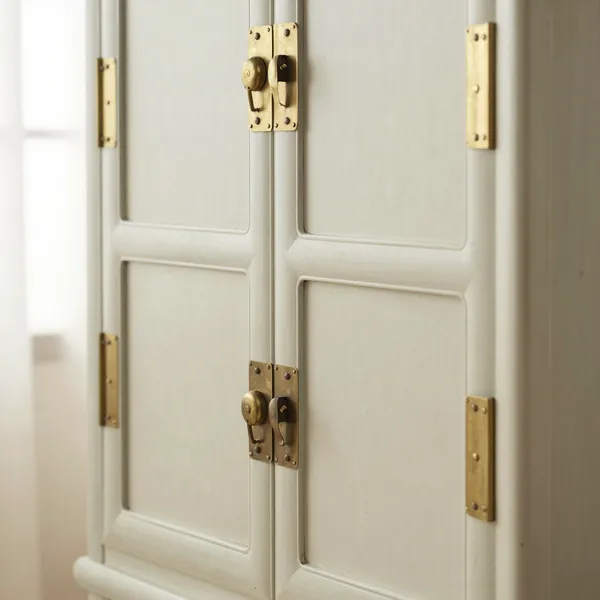
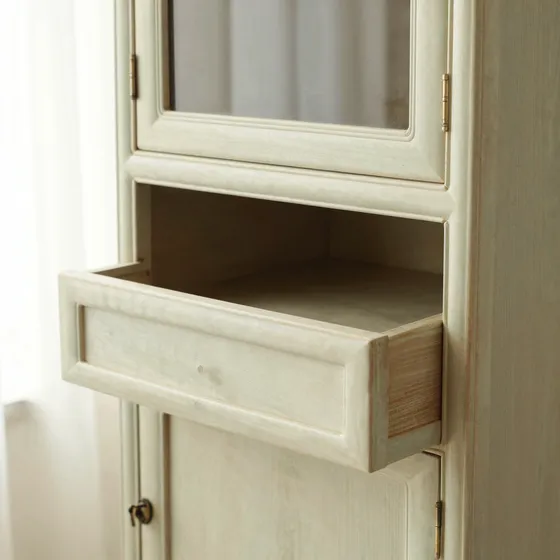
Illustrative: late Qing huanghuali compound cabinet with brass baitong hardware and original mortise-and-tenon joinery
$6,000 – $18,000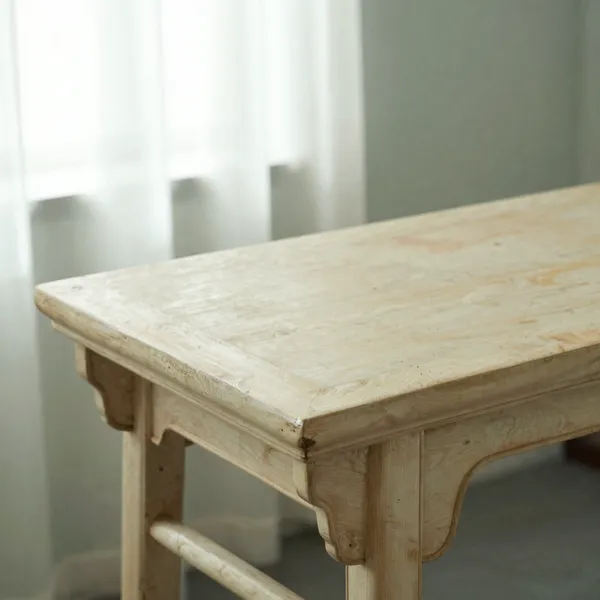
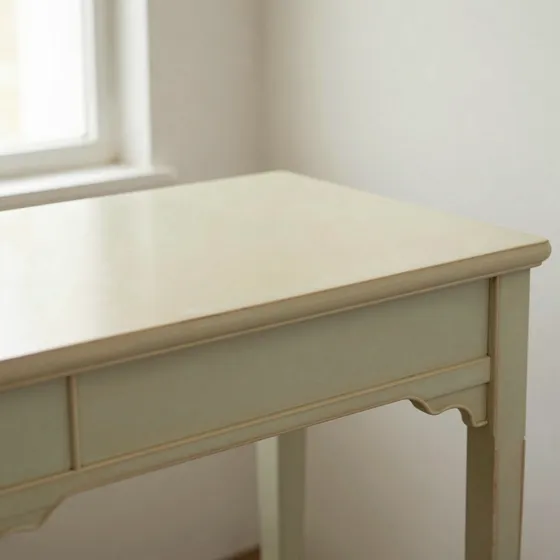
Illustrative: 19th-century Chinese elm (jumu) altar table with everted flanges and old surface
$1,200 – $3,500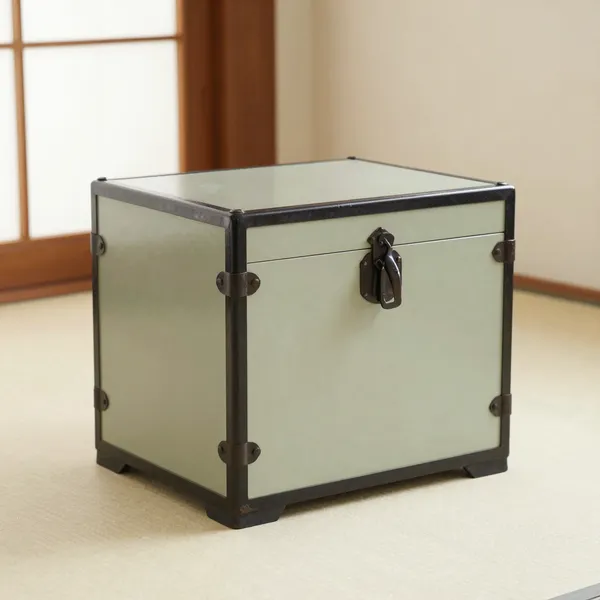
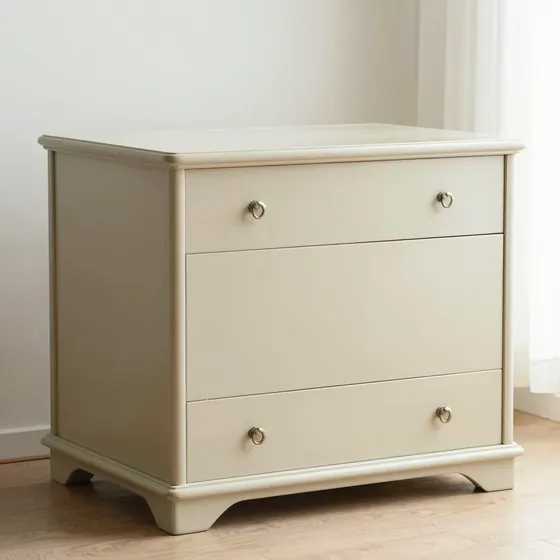
Illustrative: Meiji-period kiri and keyaki merchant tansu with iron fittings and original lacquer
$900 – $2,800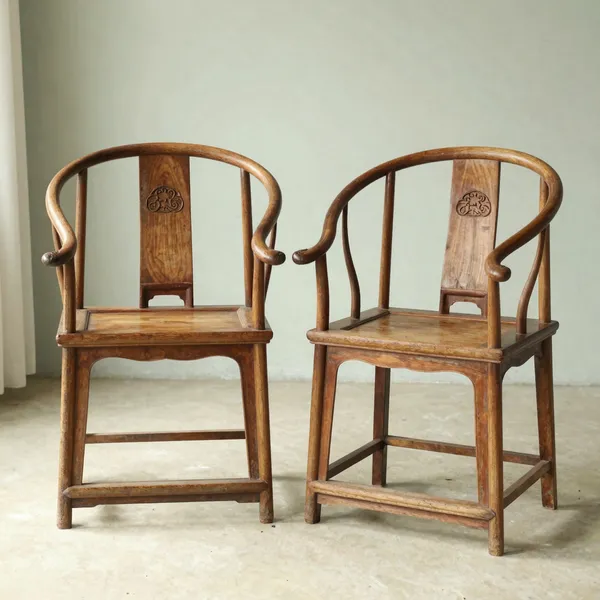
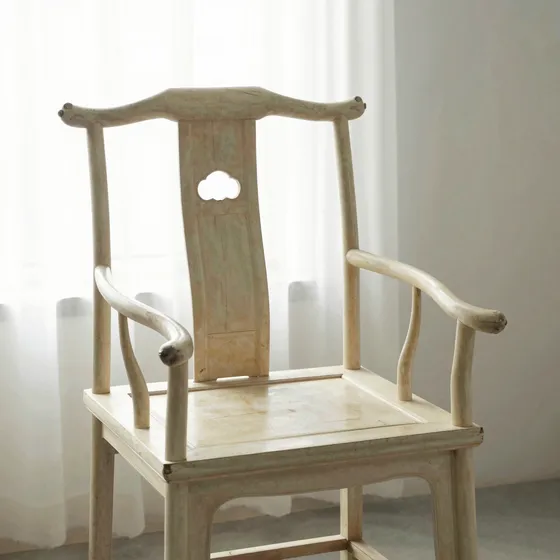
Illustrative: pair of Chinese hardwood yokeback chairs, later Qing, with honest wear and intact joints
$2,500 – $7,000Estimated ranges shown to guide research — not official appraisals for insurance, tax, or legal use. Illustrative examples.
Questions, answered honestly
How old does something have to be to be an antique?
As a rule of thumb, an antique is generally at least 100 years old. Items roughly 20–99 years old are usually called “vintage,” and the line shifts by category — but age alone never sets value. A 60-year-old designer piece can be worth far more than a century-old everyday object.
What affects the value of my item?
Value comes from a combination of factors: who made it, its age and rarity, condition, originality, provenance (its documented history), and — most of all — what comparable pieces have actually sold for recently. Our research weighs each of these to produce an estimated range.
I’ve inherited a collection — what do I do?
Start with the pieces you’re most curious about, or the ones you suspect are most valuable. Submit them individually, or for more than ten items use our white-glove service and we’ll research the whole batch together at a tailored rate.
Is this an official appraisal?
No. Every report is a thorough, researched estimate to guide your research — not an official appraisal for insurance, tax, or legal purposes. For those uses you’ll want a certified appraiser, and our report is a great, fast first step before that.
How accurate is a researched value report?
Our research is based on real comparable sales and a structured assessment of condition, era, and maker. It’s designed to give you a credible, well-researched estimate quickly. Like any estimate it isn’t a guarantee of sale price, which is why we always give a range rather than a single number.
“I had a vase from my grandmother and no idea where to start. The report was detailed, fast, and honest about the range.”
“Three days, a fair price, and a genuinely useful breakdown of comparable sales. Far better than waiting weeks.”
“Loved that it was upfront about being an estimate. It gave me exactly what I needed before talking to an auction house.”
Illustrative examples shown during launch — verified customer reviews will replace these as reports are delivered.
Find out what your asian furniture is worth
A thorough, researched value report in 3 days. From $29, no subscription.
Submit Your Item →