Antique axe appraisal, online
That old broadaxe from the barn, or the stamped felling head you inherited, may be worth more than its weight in iron. Our team researches its maker, pattern, and condition, and returns a plain-English value report in three days.
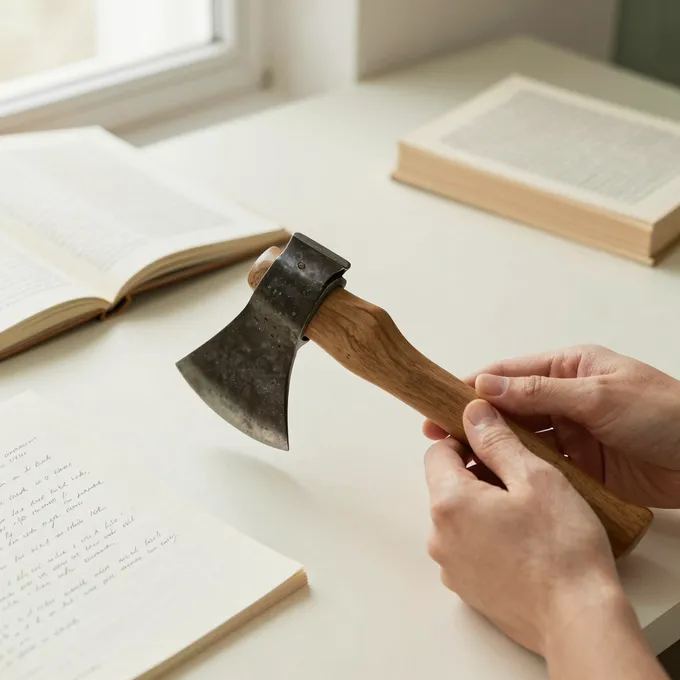
Structured research, reviewed for clarity
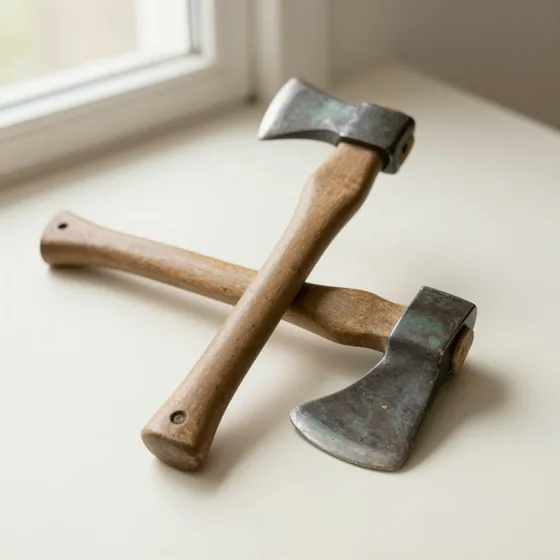
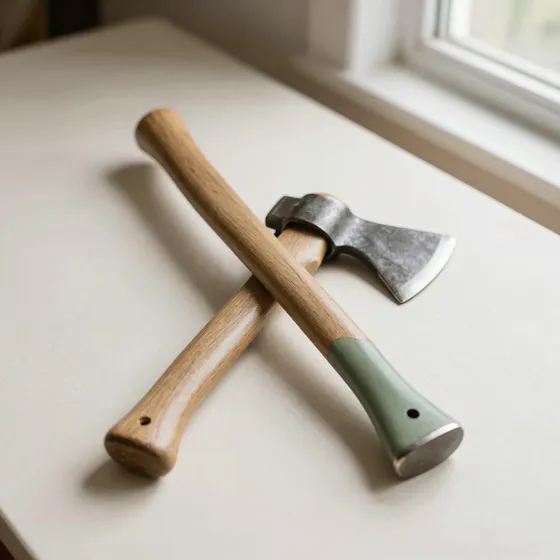
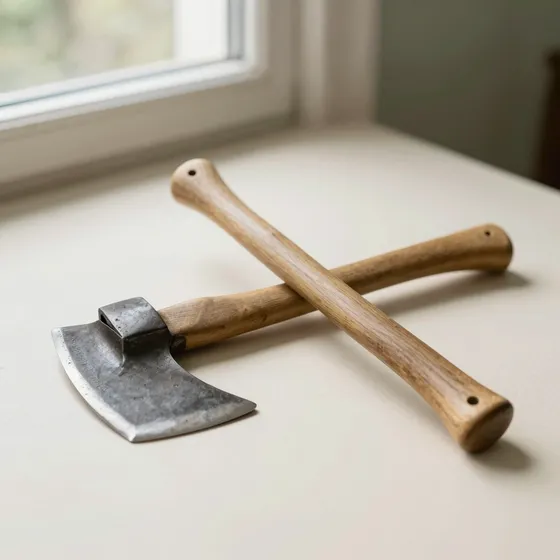
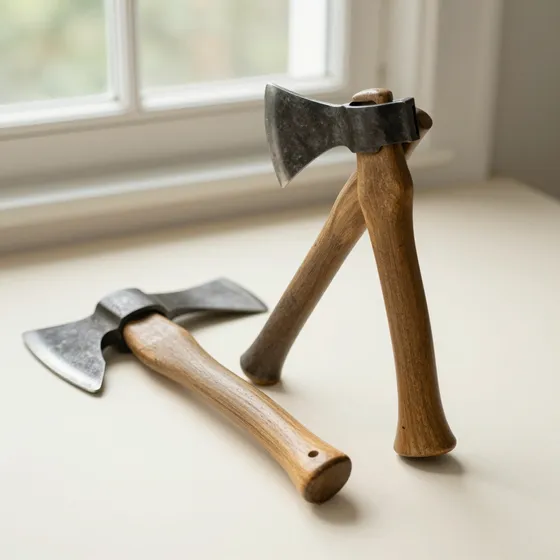
We start with the head itself, reading any embossed or file-branded maker's marks and matching the pattern to known makers and regions. We weigh condition and originality, the temper of the bit, pitting, old repairs, and whether the haft belongs to the head. We compare against recent sold prices for similar axes, not asking prices, so the estimate reflects what pieces actually change hands for. You receive a written report reviewed by our team, with an estimated range and the reasoning behind it.
What affects the value of antique axes
The value of an antique axe rarely comes down to a single detail. Our team weighs several factors together, because a strong maker's mark can be offset by a cracked poll, and a humble felling head can surprise when the pattern is scarce.
Maker, period & style
A legible maker's stamp, whether an embossed American brand like Kelly or Plumb or a European touchmark, anchors an axe to a maker and era. Scarce patterns such as goosewing broad axes or early trade axes command more than common single-bit felling heads.
Condition & originality
Original forging, an unground bit, and honest patina matter more than a bright, over-cleaned surface. Heavy pitting, mushroomed polls, welded repairs, or a replaced handle all pull value down, while a sound head on its period haft holds it.
Comparable sales
We ground every estimate in recent sold prices for comparable axes, not the hopeful figures sellers list. Auction and dealer records for the same maker, pattern, and condition tell us what a piece is really worth today.
Patterns and forms that collectors seek
Not every axe carries the same interest. Broad and hewing axes with wide, offset bits, Continental goosewing forms, early hand-forged trade axes, and cooper's or carpenter's specialty patterns tend to draw the most attention, while later mass-produced felling heads are common. We look at where your axe sits within these forms, but a photograph rarely tells the whole story, which is why our team researches each piece individually rather than relying on type alone.
Inherited a box of old tools or axes?
Old axes often surface in a barn, a workshop, or a chest of inherited tools, mixed in with wedges and hand planes. If you are not sure whether a marked head is a common user or something scarcer, you do not need to guess. Send us clear photographs of the head, both faces, any stamps, and the handle, and our team will research it and return a value report in three days. To begin, submit your item and tell us what you know about where it came from.
A few reports we've delivered
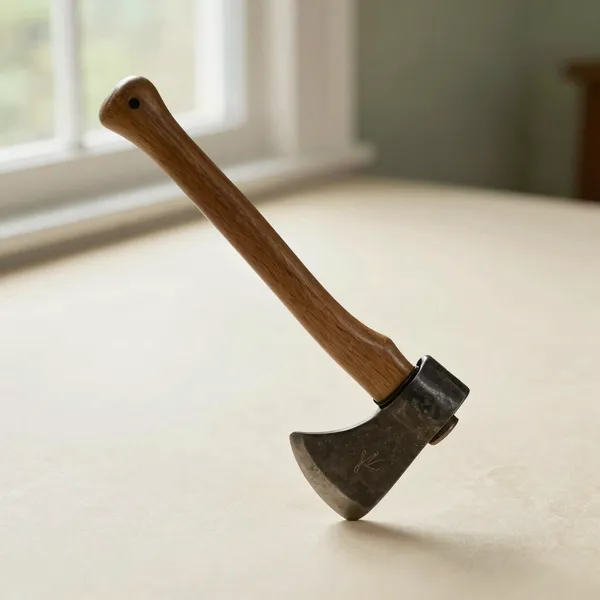
Illustrative: An early 19th-century Pennsylvania goosewing broad axe with a legible maker's touchmark
$400 - $900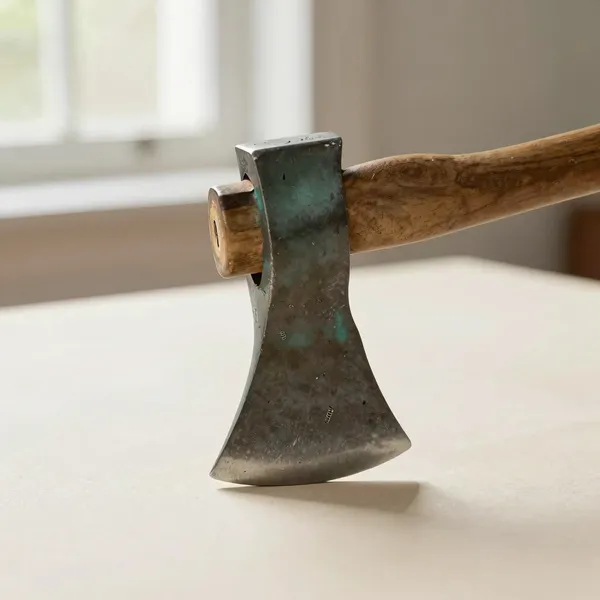
Illustrative: A hand-forged 18th-century trade axe head with a file-branded stamp
$200 - $500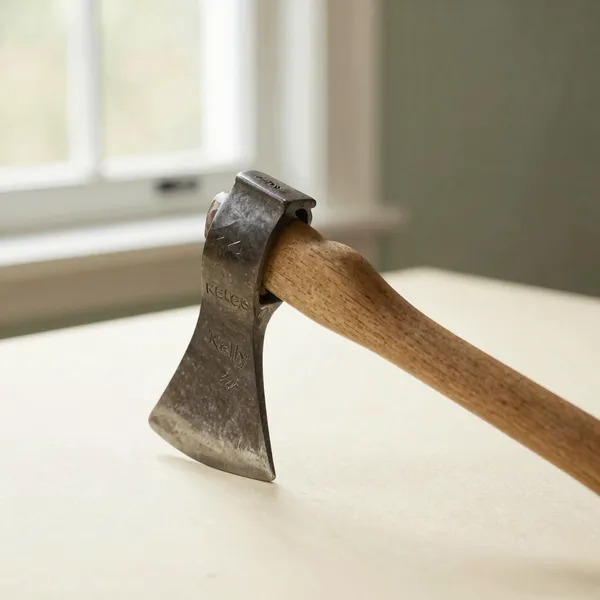
Illustrative: A Kelly Registered embossed single-bit felling axe, mid-20th century
$40 - $110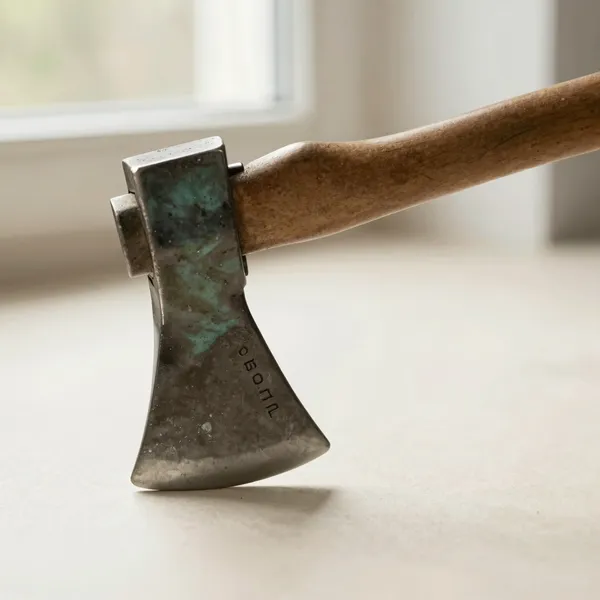
Illustrative: A Swedish maker-stamped forest axe, early 20th century
$70 - $180Estimated ranges shown to guide research — not official appraisals for insurance, tax, or legal use. Illustrative examples.
Questions, answered honestly
How old does something have to be to be an antique?
As a rule of thumb, an antique is generally at least 100 years old. Items roughly 20–99 years old are usually called “vintage,” and the line shifts by category — but age alone never sets value. A 60-year-old designer piece can be worth far more than a century-old everyday object.
What affects the value of my item?
Value comes from a combination of factors: who made it, its age and rarity, condition, originality, provenance (its documented history), and — most of all — what comparable pieces have actually sold for recently. Our research weighs each of these to produce an estimated range.
I’ve inherited a collection — what do I do?
Start with the pieces you’re most curious about, or the ones you suspect are most valuable. Submit them individually, or for more than ten items use our white-glove service and we’ll research the whole batch together at a tailored rate.
Is this an official appraisal?
No. Every report is a thorough, researched estimate to guide your research — not an official appraisal for insurance, tax, or legal purposes. For those uses you’ll want a certified appraiser, and our report is a great, fast first step before that.
How accurate is a researched value report?
Our research is based on real comparable sales and a structured assessment of condition, era, and maker. It’s designed to give you a credible, well-researched estimate quickly. Like any estimate it isn’t a guarantee of sale price, which is why we always give a range rather than a single number.
“I had a vase from my grandmother and no idea where to start. The report was detailed, fast, and honest about the range.”
“Three days, a fair price, and a genuinely useful breakdown of comparable sales. Far better than waiting weeks.”
“Loved that it was upfront about being an estimate. It gave me exactly what I needed before talking to an auction house.”
Illustrative examples shown during launch — verified customer reviews will replace these as reports are delivered.
Find out what your axes is worth
A thorough, researched value report in 3 days. From $29, no subscription.
Submit Your Item →