Antique benches and stools appraisal, online
That old oak stool from a grandparent's kitchen, or the long hall bench you inherited and never quite placed, may hold more value than you would expect. Our team researches what pieces like yours are worth and returns a plain-English value report within three days.
Structured research, reviewed for clarity
We start with the construction of your piece, its timber, joinery, and the way it has worn, then compare it against benches and stools that have recently sold at auction and through dealers. We weigh period against later reproduction, assess condition and originality, and read any maker's marks, stamps, or workshop details we can find. From there we prepare a plain-English report with an estimated value range and the reasoning behind it. Every report is reviewed by our team before it reaches you.
What affects the value of antique benches & stools
Value rarely comes down to a single detail. A bench or stool is judged on several things at once, its age and origin, how it was made, how honestly it has survived, and what similar pieces are actually fetching today. Our team weighs these together rather than leaning on any one of them.
Maker, period & style
A 17th-century oak joint stool, a Regency window seat, and an Arts and Crafts oak bench each sit in a very different part of the market. Recognized workshops and distinct regional styles, from Windsor country pieces to formal Georgian mahogany, carry premiums, and the period a piece was genuinely made in matters far more than a later reproduction in the same style.
Condition & originality
With seating especially, originality drives value. An untouched surface, original upholstery or leather, sound joinery, and honest wear all count in a piece's favour, while replaced legs, re-glued joints, stripped finishes, or modern reupholstery tend to pull a value down. We weigh what is original against what has been altered or repaired.
Comparable sales
We anchor every figure to what comparable benches and stools have actually sold for at auction and through dealers, not to asking prices or optimistic listings. Realized results, adjusted for condition and provenance, give a far more honest picture of what a piece is worth.
Bench or stool, and why the difference matters
The two words cover a wide range, from a humble three-legged milking stool to a long carved oak settle or an upholstered window seat, and value tracks that range closely. Form, function, and how a piece reads to collectors all shape demand, so a compact joint stool or a decorative piano stool appeals to a different buyer than a substantial hall bench. Rather than have you work through identifying every type yourself, our team studies the construction, timber, and detailing of your particular piece and researches where it lands in today's market.
Inherited a bench or stool you're unsure about?
Seating is often the furniture that quietly passes down through a family, the stool that lived by the hearth or the bench in the hallway that no one thought to question. If you have inherited a piece and are not sure whether it is a country antique, a period example, or a later copy, the simplest first step is to submit a few clear photographs along with any history you have. Our team researches it and returns a value report with an estimated range and the reasoning behind it. Start with our submit page, or read how it works to see what to expect.
A few reports we've delivered
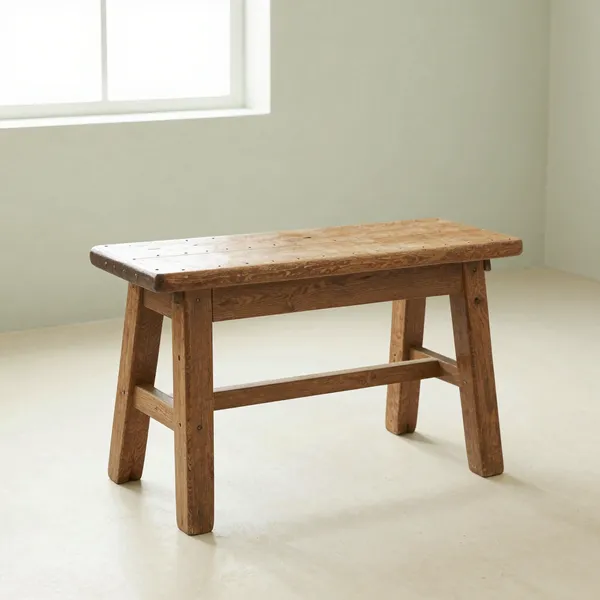
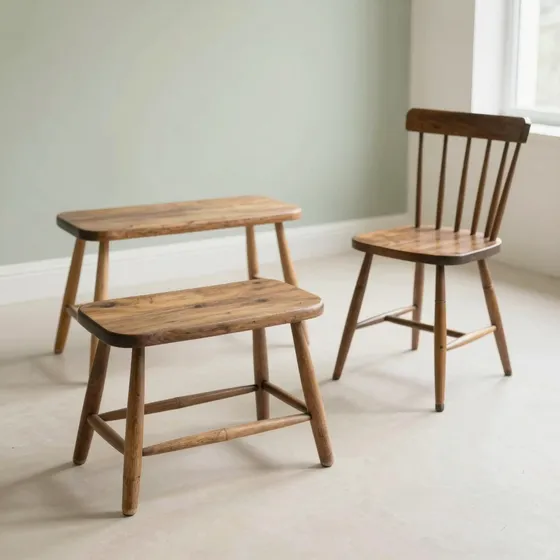
Illustrative: a 17th-century English oak joint stool with pegged mortise-and-tenon joinery and a worn original surface
$900 - $2,600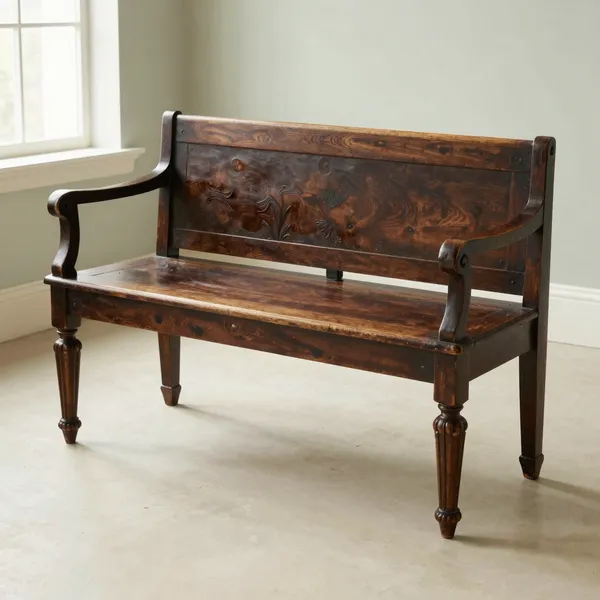
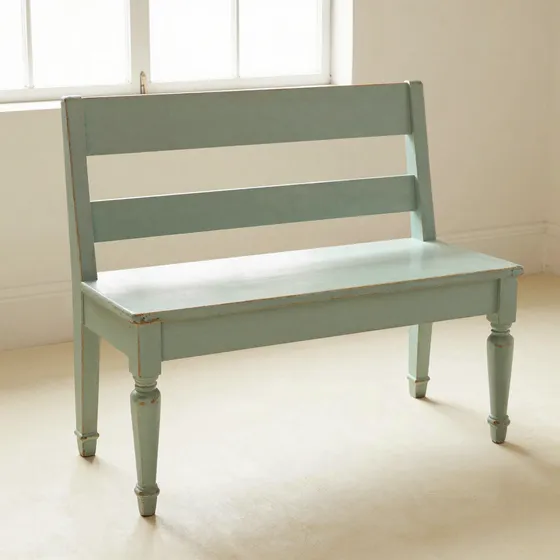
Illustrative: a Victorian carved oak hall bench with a lift-up seat and original dark patina
$550 - $1,700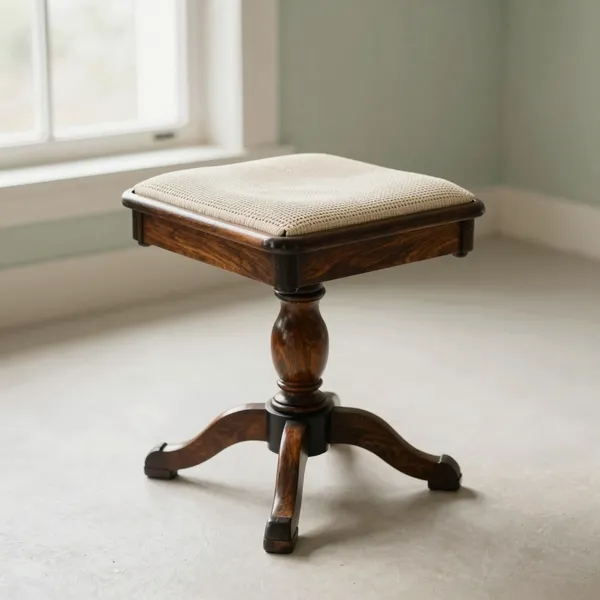
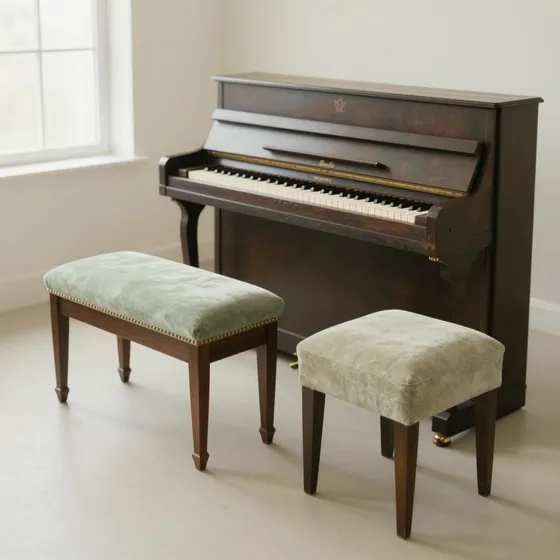
Illustrative: a Georgian mahogany adjustable piano stool with a turned column and needlepoint seat
$300 - $850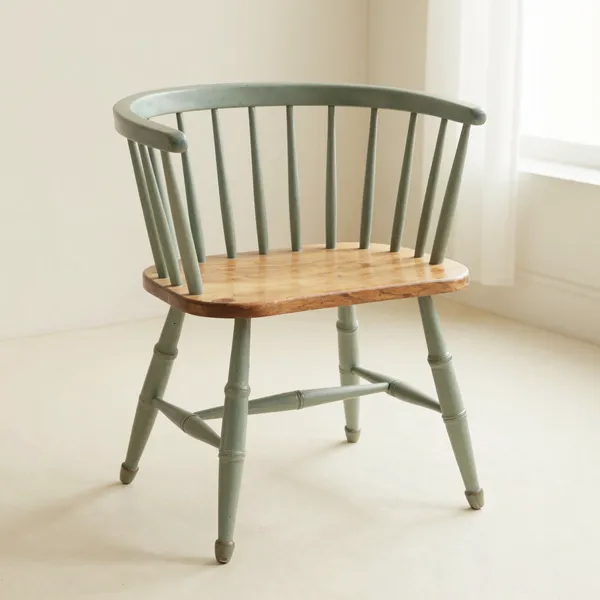
Illustrative: a 19th-century American Windsor stool in pine and maple with splayed legs and old paint
$150 - $500Estimated ranges shown to guide research — not official appraisals for insurance, tax, or legal use. Illustrative examples.
Questions, answered honestly
How old does something have to be to be an antique?
As a rule of thumb, an antique is generally at least 100 years old. Items roughly 20–99 years old are usually called “vintage,” and the line shifts by category — but age alone never sets value. A 60-year-old designer piece can be worth far more than a century-old everyday object.
What affects the value of my item?
Value comes from a combination of factors: who made it, its age and rarity, condition, originality, provenance (its documented history), and — most of all — what comparable pieces have actually sold for recently. Our research weighs each of these to produce an estimated range.
I’ve inherited a collection — what do I do?
Start with the pieces you’re most curious about, or the ones you suspect are most valuable. Submit them individually, or for more than ten items use our white-glove service and we’ll research the whole batch together at a tailored rate.
Is this an official appraisal?
No. Every report is a thorough, researched estimate to guide your research — not an official appraisal for insurance, tax, or legal purposes. For those uses you’ll want a certified appraiser, and our report is a great, fast first step before that.
How accurate is a researched value report?
Our research is based on real comparable sales and a structured assessment of condition, era, and maker. It’s designed to give you a credible, well-researched estimate quickly. Like any estimate it isn’t a guarantee of sale price, which is why we always give a range rather than a single number.
“I had a vase from my grandmother and no idea where to start. The report was detailed, fast, and honest about the range.”
“Three days, a fair price, and a genuinely useful breakdown of comparable sales. Far better than waiting weeks.”
“Loved that it was upfront about being an estimate. It gave me exactly what I needed before talking to an auction house.”
Illustrative examples shown during launch — verified customer reviews will replace these as reports are delivered.
Find out what your benches & stools is worth
A thorough, researched value report in 3 days. From $29, no subscription.
Submit Your Item →