Antique board game appraisal, online
That boxed game from the attic, or the lithographed set you inherited, may be worth more than its worn corners suggest. Our team researches what your antique board game would actually sell for today and delivers a clear value report in three days.
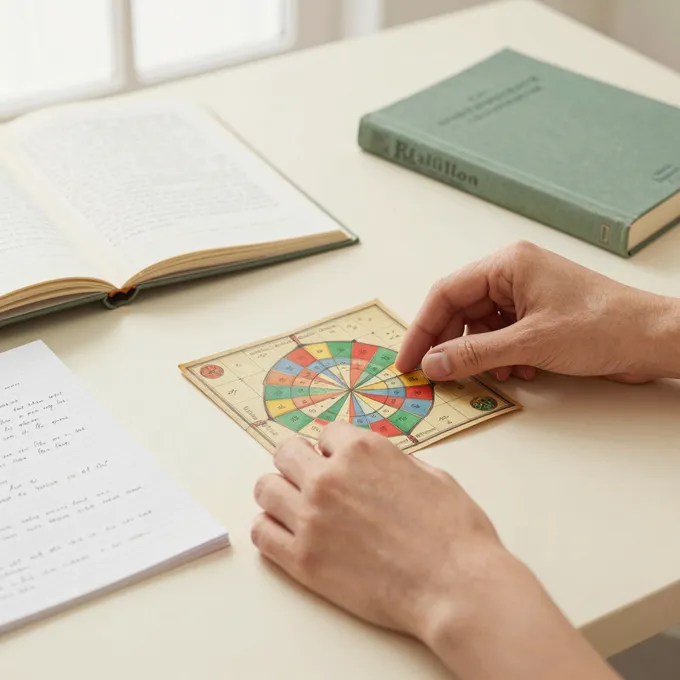
Structured research, reviewed for clarity
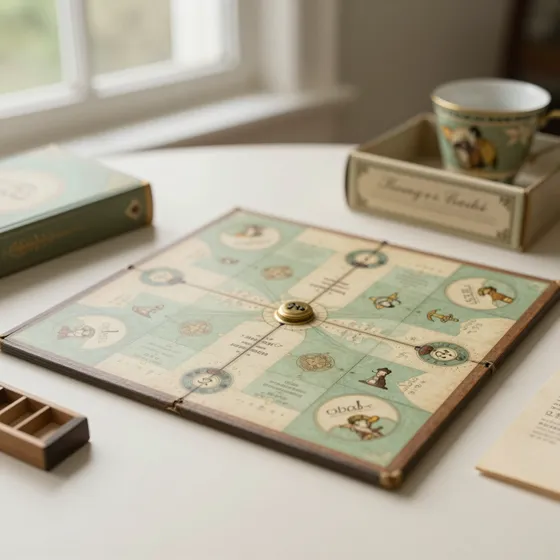
We start by placing your game against comparable sales, the prices similar sets have actually fetched at auction and in private hands, not asking prices. From there our team weighs the maker and period, the condition of the box, board, and printed surfaces, and whether every card, token, and playing piece is present. We read any maker's marks, copyright dates, and patent numbers to pin down the edition. You receive a plain-English report with an estimated value range and the reasoning behind it, reviewed by our team before it reaches you.
What affects the value of an antique board game
Value rarely comes down to a single detail. Our team weighs several factors together, because a game that scores well on one and poorly on another can land almost anywhere on the scale.
Maker, period & style
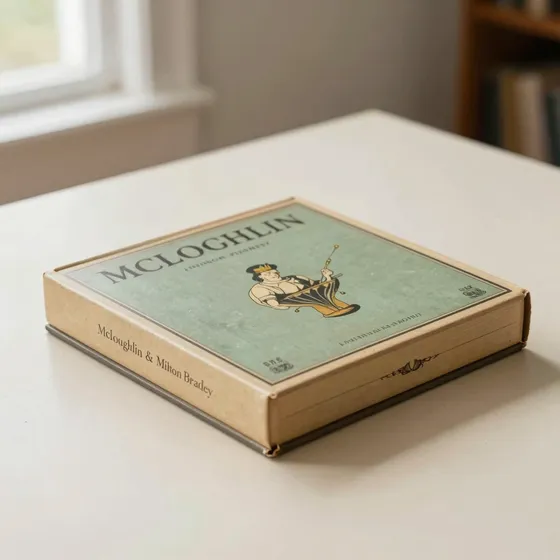
The publisher and era do much of the work. Nineteenth-century games from makers such as McLoughlin Brothers or Milton Bradley, with their hand-lithographed boards and boxes, sit well above mass-produced twentieth-century titles. Early editions, distinctive artwork, and short print runs all push value upward.
Condition & completeness
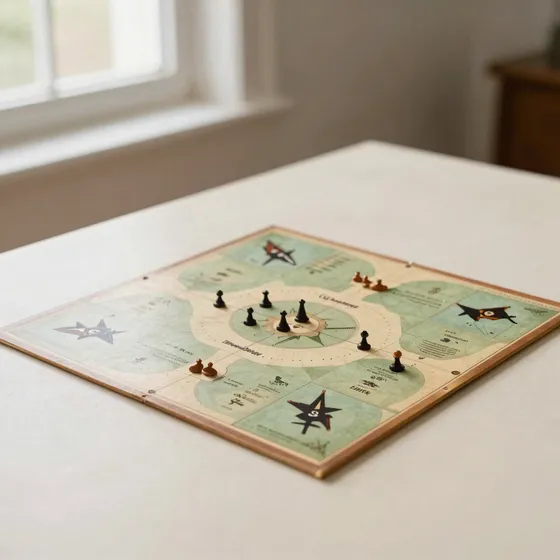
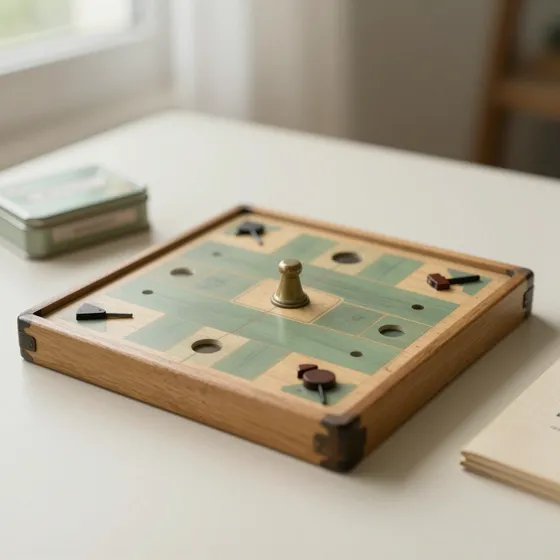
A game is only as valuable as it is complete. Missing pieces, replaced tokens, torn boards, or a crushed box lid all pull the figure down, while an untouched set with its original insert and instructions commands a premium. Bright, unfaded lithography matters as much as structural condition.
Comparable sales
We anchor every estimate to real, recorded sales of similar games, what collectors have genuinely paid, rather than optimistic listings. Recent results carry the most weight, and we adjust for differences in edition and condition.
Why edition and completeness decide so much
With board games, two copies of the same title can be worlds apart in value. A first edition with early graphics and a full complement of original pieces is a collector's item; a later reprint missing half its cards is a curiosity. This is where careful research pays off, and where a quick glance at the box lid can mislead. Copyright lines, patent dates, and small changes in artwork often separate a common version from a scarce one, and our team looks for exactly those signals before settling on a range.
Inherited a box of old games?
Estates and attics often turn up stacks of games spanning decades, a few genuinely collectible and many simply nostalgic. Rather than guessing which is which, you can send us photos and what you know of a piece's history, and our team will research it and tell you where it stands. If you have several, start with the oldest or most unusual, then submit your item and we will take it from there.
A few reports we've delivered
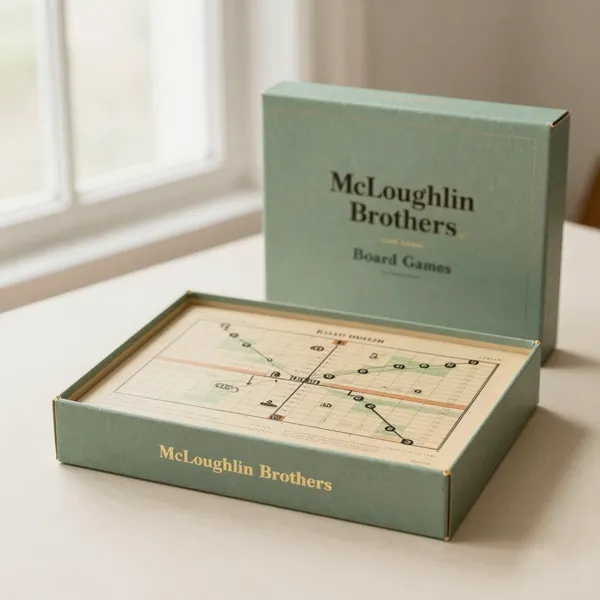
Illustrative: late-1800s McLoughlin Brothers lithographed board game, complete with original box
$400 - $1,800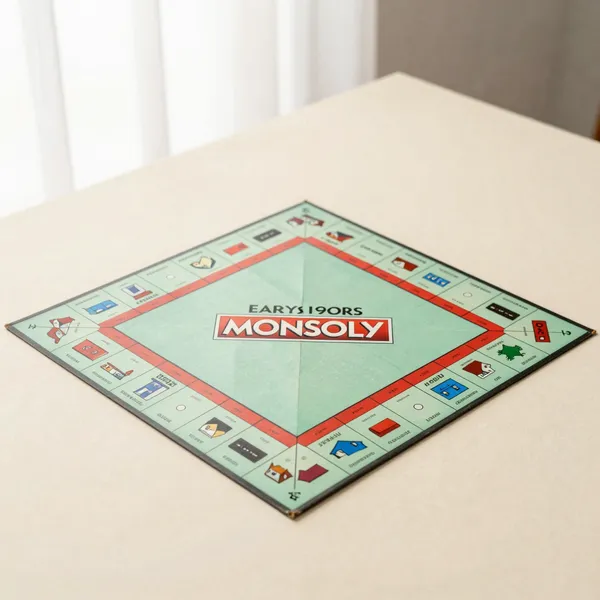
Illustrative: 1930s early Monopoly edition with wooden houses and original board, complete
$150 - $650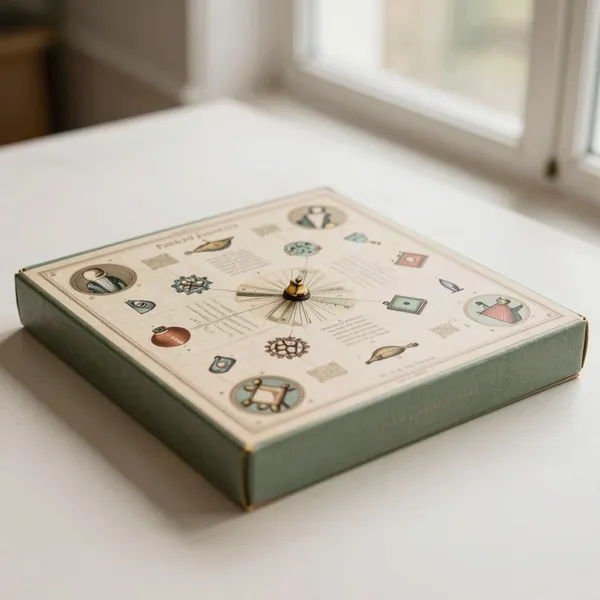
Illustrative: Victorian hand-colored parlour game with boxed pieces and instructions
$200 - $900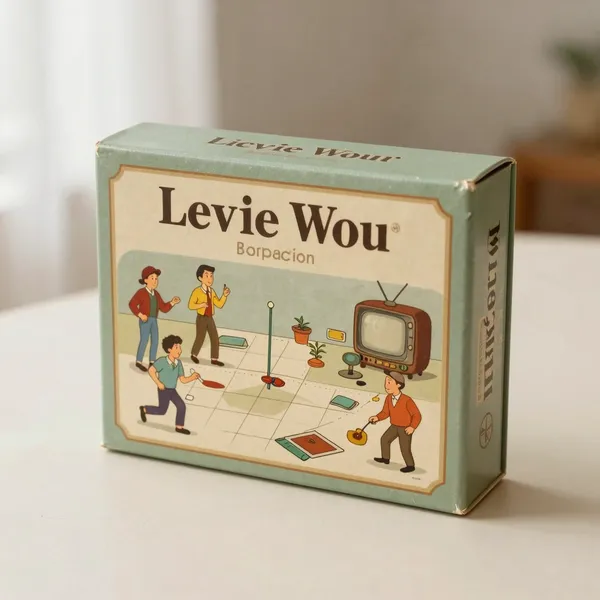
Illustrative: mid-century licensed television character board game, complete and boxed
$30 - $120Estimated ranges shown to guide research — not official appraisals for insurance, tax, or legal use. Illustrative examples.
Questions, answered honestly
How old does something have to be to be an antique?
As a rule of thumb, an antique is generally at least 100 years old. Items roughly 20–99 years old are usually called “vintage,” and the line shifts by category — but age alone never sets value. A 60-year-old designer piece can be worth far more than a century-old everyday object.
What affects the value of my item?
Value comes from a combination of factors: who made it, its age and rarity, condition, originality, provenance (its documented history), and — most of all — what comparable pieces have actually sold for recently. Our research weighs each of these to produce an estimated range.
I’ve inherited a collection — what do I do?
Start with the pieces you’re most curious about, or the ones you suspect are most valuable. Submit them individually, or for more than ten items use our white-glove service and we’ll research the whole batch together at a tailored rate.
Is this an official appraisal?
No. Every report is a thorough, researched estimate to guide your research — not an official appraisal for insurance, tax, or legal purposes. For those uses you’ll want a certified appraiser, and our report is a great, fast first step before that.
How accurate is a researched value report?
Our research is based on real comparable sales and a structured assessment of condition, era, and maker. It’s designed to give you a credible, well-researched estimate quickly. Like any estimate it isn’t a guarantee of sale price, which is why we always give a range rather than a single number.
“I had a vase from my grandmother and no idea where to start. The report was detailed, fast, and honest about the range.”
“Three days, a fair price, and a genuinely useful breakdown of comparable sales. Far better than waiting weeks.”
“Loved that it was upfront about being an estimate. It gave me exactly what I needed before talking to an auction house.”
Illustrative examples shown during launch — verified customer reviews will replace these as reports are delivered.
Find out what your board games is worth
A thorough, researched value report in 3 days. From $29, no subscription.
Submit Your Item →