Antique books and manuscripts appraisal, online
That box of old books in the attic, or the single inscribed volume passed down through your family, may be worth far more than its dust suggests. Our team researches your books and manuscripts and returns a clear, researched value report within three days.

Structured research, reviewed for clarity
We begin by placing your volume against comparable sales, the prices similar copies have actually realized at auction and through the antiquarian trade, not asking prices. From there our team weighs the edition and printing, the condition of the binding and pages, the presence of a dust jacket or original boards, and any signatures, inscriptions, or provenance that set your copy apart. For manuscripts we read the hand, the materials, and the date where it can be established. You receive a plain-English report with an estimated value range and the reasoning behind it, reviewed by our team before it reaches you.
What affects the value of antique books and manuscripts
Value rarely rests on age alone. A book printed in 1880 can be worth less than one printed in 1950, and two copies of the same title can differ tenfold in price. Our team weighs several factors together rather than relying on any single one.
Edition, printing and issue
A true first edition, first printing usually carries the most weight, and small details on the copyright page or title leaf separate it from later printings. The right issue points, errors corrected between printings, can be the difference between a modest and a remarkable value.
Condition, binding and dust jacket
Original cloth or boards, an intact spine, clean pages free of foxing and tears, and an original dust jacket all lift value sharply. For many modern firsts the jacket alone can account for most of the price, while rebound or restored copies are valued differently.
Comparable sales
We anchor every estimate to what comparable copies have genuinely sold for through auction houses and the antiquarian trade, not optimistic listing prices. Real results, matched to your copy's edition and condition, give the most honest picture.
Signatures, inscriptions and provenance
An author's signature, a dated presentation inscription, or a documented chain of ownership can transform an ordinary book into something collectors pursue. Association copies, those tied to a notable owner or to the author's circle, sit in a category of their own. The wording of an inscription, who it was written to, and whether it can be substantiated all bear on value, which is precisely the sort of detail our team researches for you rather than leaving you to guess.
Inherited a library or a single manuscript?
Estates often surface everything from leather-bound sets and family Bibles to a lone vellum leaf or a bundle of letters. You do not need to sort the valuable from the ordinary yourself. Tell us what you have, share a few clear photographs of the title page, binding, and any inscriptions, and our team will research it and return a value report. To begin, submit your item and we will take it from there.
A few reports we've delivered
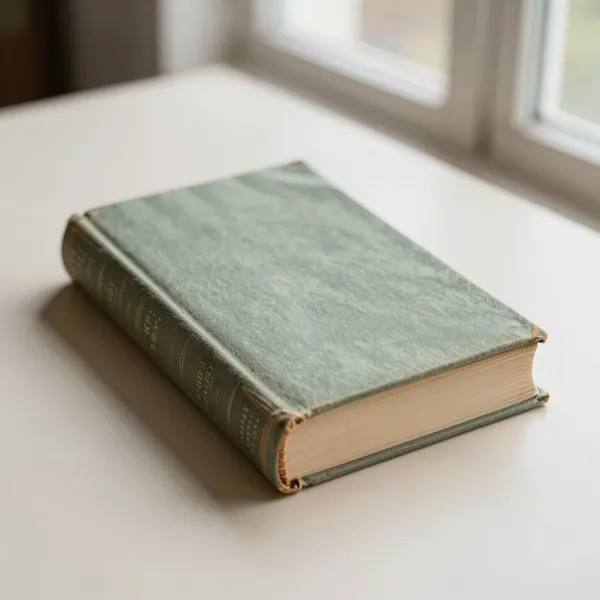
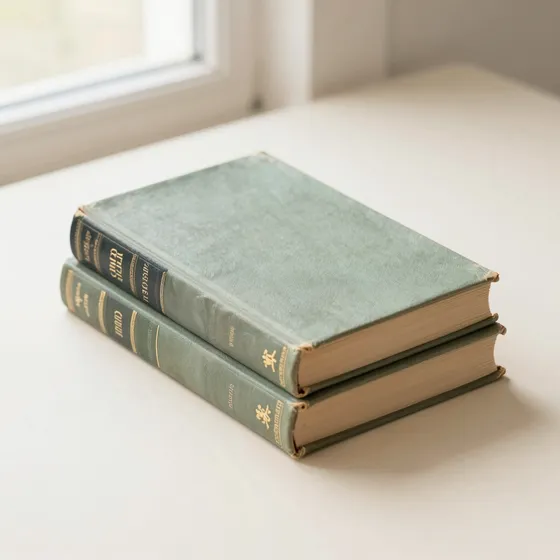
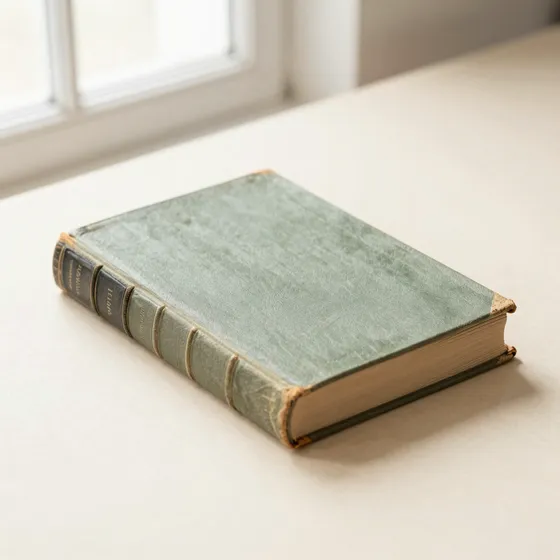
Illustrative: a Victorian novel in original publisher's cloth, first edition first printing, light foxing
$400 - $1,500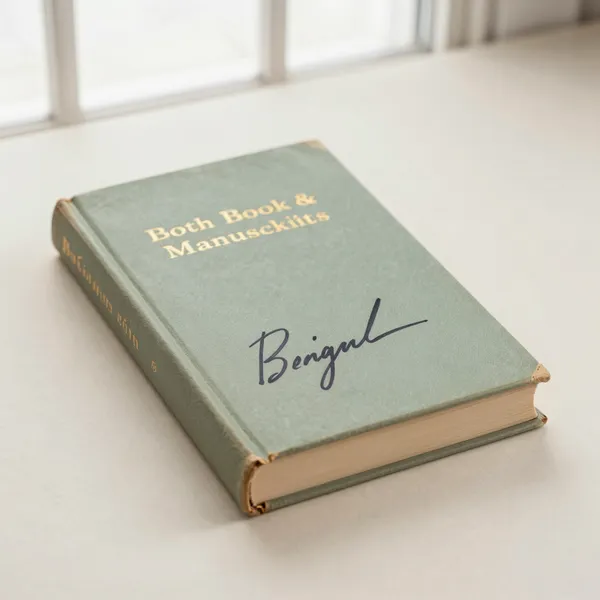
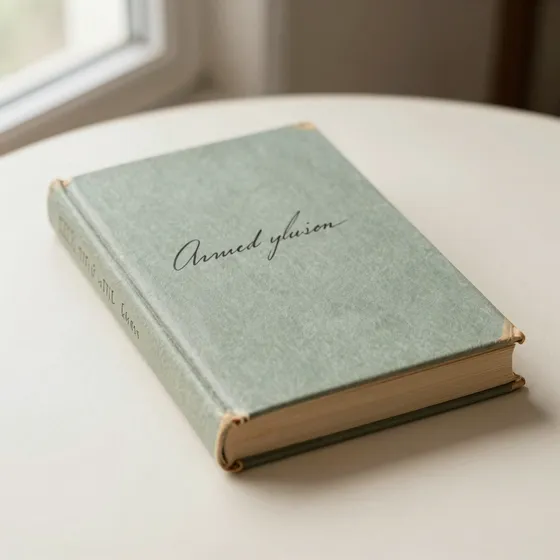
Illustrative: a 20th-century literary first edition, signed by the author, in original dust jacket
$300 - $2,500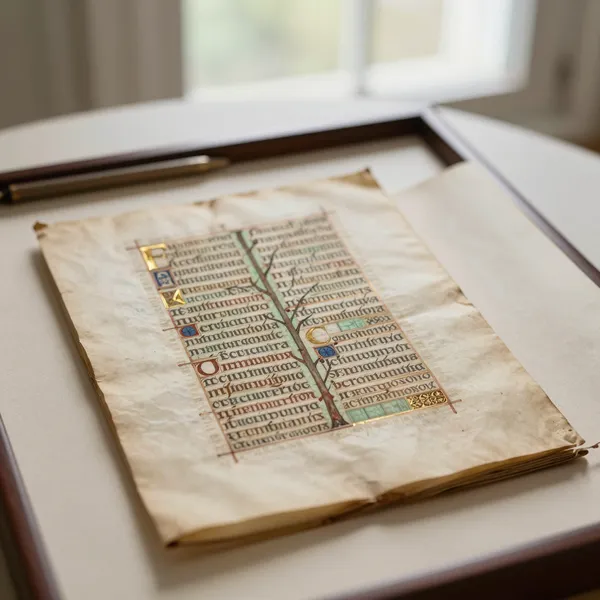
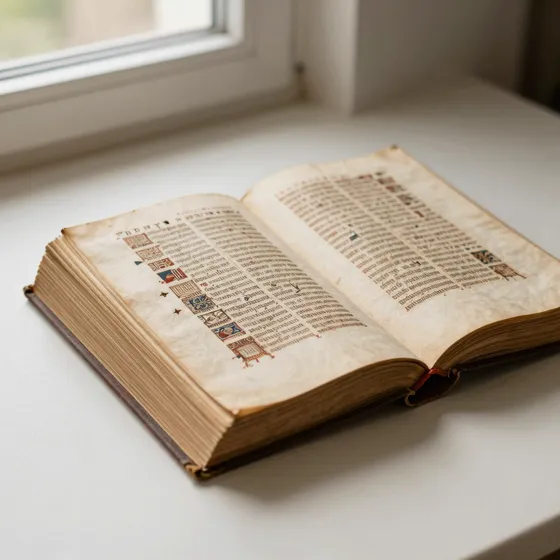
Illustrative: a single medieval illuminated manuscript leaf on vellum, gilt initials, framed
$800 - $4,000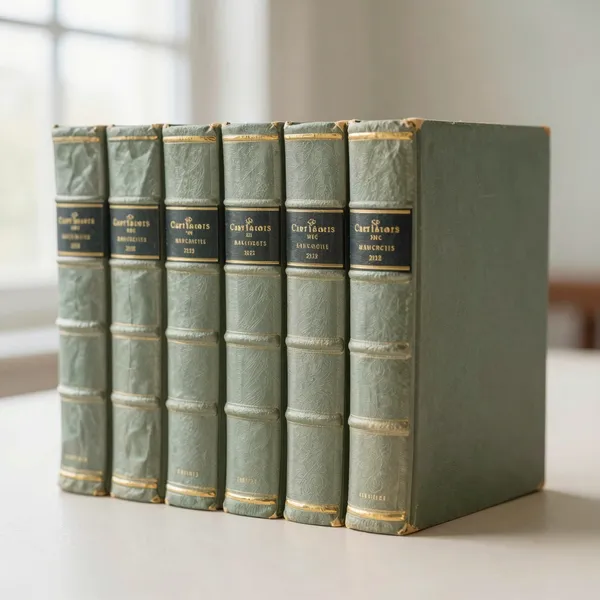
Illustrative: a late 19th-century set of classics in half-calf bindings, gilt spines, complete
$250 - $900Estimated ranges shown to guide research — not official appraisals for insurance, tax, or legal use. Illustrative examples.
Questions, answered honestly
How old does something have to be to be an antique?
As a rule of thumb, an antique is generally at least 100 years old. Items roughly 20–99 years old are usually called “vintage,” and the line shifts by category — but age alone never sets value. A 60-year-old designer piece can be worth far more than a century-old everyday object.
What affects the value of my item?
Value comes from a combination of factors: who made it, its age and rarity, condition, originality, provenance (its documented history), and — most of all — what comparable pieces have actually sold for recently. Our research weighs each of these to produce an estimated range.
I’ve inherited a collection — what do I do?
Start with the pieces you’re most curious about, or the ones you suspect are most valuable. Submit them individually, or for more than ten items use our white-glove service and we’ll research the whole batch together at a tailored rate.
Is this an official appraisal?
No. Every report is a thorough, researched estimate to guide your research — not an official appraisal for insurance, tax, or legal purposes. For those uses you’ll want a certified appraiser, and our report is a great, fast first step before that.
How accurate is a researched value report?
Our research is based on real comparable sales and a structured assessment of condition, era, and maker. It’s designed to give you a credible, well-researched estimate quickly. Like any estimate it isn’t a guarantee of sale price, which is why we always give a range rather than a single number.
“I had a vase from my grandmother and no idea where to start. The report was detailed, fast, and honest about the range.”
“Three days, a fair price, and a genuinely useful breakdown of comparable sales. Far better than waiting weeks.”
“Loved that it was upfront about being an estimate. It gave me exactly what I needed before talking to an auction house.”
Illustrative examples shown during launch — verified customer reviews will replace these as reports are delivered.
Find out what your books & manuscripts is worth
A thorough, researched value report in 3 days. From $29, no subscription.
Submit Your Item →