Antique bow appraisal, online
That old bow tucked in a cupboard, a yew longbow from a grandfather's study or a horn-and-sinew piece brought back from travels, can be worth far more than it looks. Our team researches yours and returns a clear value report within three days.
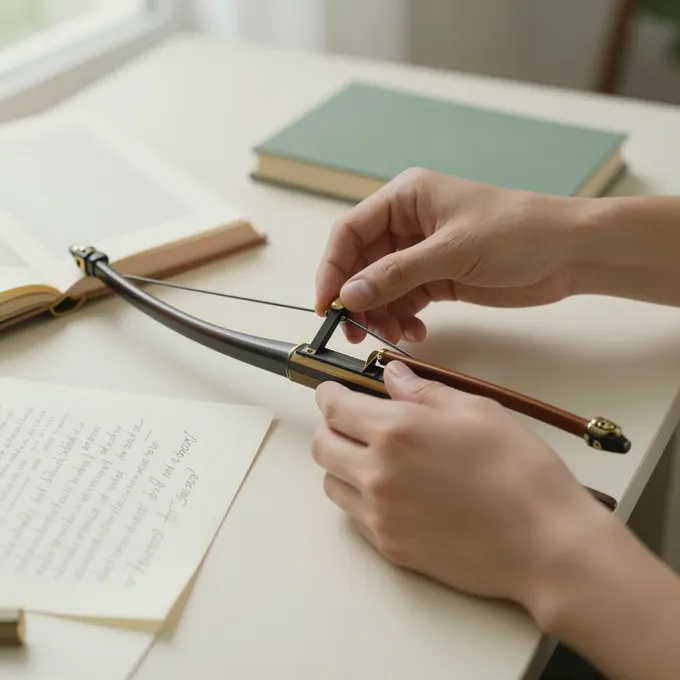
Structured research, reviewed for clarity
We begin by comparing your bow against recorded auction and dealer sales of similar pieces, not asking prices, so the value rests on what collectors actually pay. We weigh the materials and construction, whether yew, horn, sinew, or laminated wood, alongside age, cultural origin, and any bowyer's stamp or workshop mark. Condition carries real weight here, so we look closely for cracks, delamination, string follow, and old repairs that change both usability and value. You receive a plain-English report with an estimated range and the reasoning behind it, reviewed by our team before it reaches you.
What affects the value of antique bows
The value of an old bow rarely comes down to a single feature. Our team weighs several factors together, because a modest longbow and a rare composite bow can look similar to an untrained eye yet sit worlds apart in worth. Origin, materials, and condition each pull the figure in a different direction.
Origin, bowyer & period
A great deal depends on where and when a bow was made. An English yew target longbow, an Ottoman or Turkish horn composite bow, a Japanese yumi, and a Plains sinew-backed bow each belong to distinct collecting worlds with their own price levels. A recorded bowyer or workshop mark, or a documented cultural attribution, can lift a piece well above an anonymous example.
Materials & construction
Construction tells us a lot. A self bow cut from a single stave of yew reads very differently from a backed or composite bow layering horn, wood, and sinew, and both differ again from a mid-century laminated recurve. The quality of the material, the craftsmanship of the tips and grip, and any decorative inlay or lacquer all feed into the assessment.
Condition & comparable sales
We look for cracks, delamination in composite layers, permanent bend or string follow, replaced nocks or strings, and old repairs, since each affects value and, for working bows, safety. We then anchor the estimate in genuine sales records of comparable bows rather than optimistic listing prices.
Working bow, decorative piece, or reproduction?
One of the most common questions we settle is whether a bow is a genuine antique made to be shot, a decorative or ceremonial piece, or a later tourist reproduction dressed to look old. The differences show in the joinery of the tips, the way horn and sinew are bound, the wear on the grip, and the ageing of any finish. We assess these signals as part of your report rather than publishing a full identification guide, because a confident read usually needs the piece in front of experienced eyes.
Inherited a bow or a small collection?
Bows often surface as part of an estate, a single longbow in an umbrella stand or a wall of pieces gathered over decades of travel. If you have inherited one or several and simply want to know what they are worth before you insure, sell, or divide them, that is exactly what our value report is for. Photograph each bow from a few angles, note anything you know about its history, and submit it through /submit to get started.
A few reports we've delivered
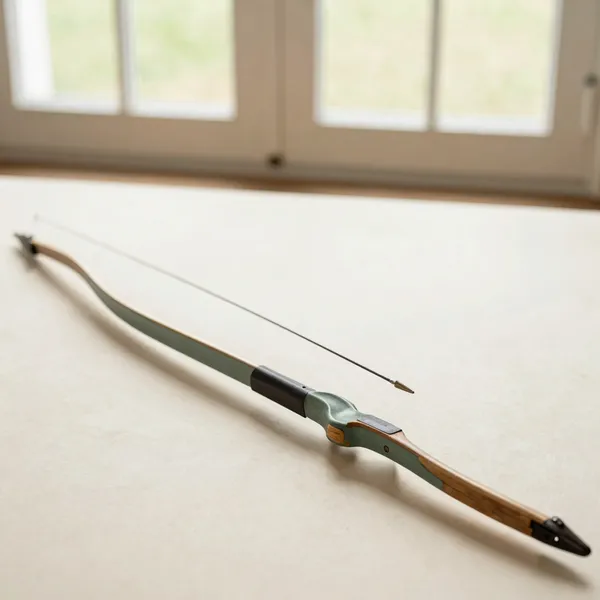
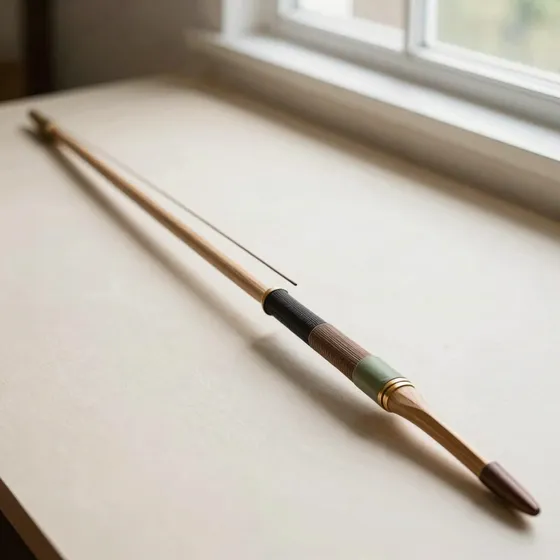
Illustrative: a late-19th-century English yew target longbow with horn nocks and a bowyer's stamp
$300 - $900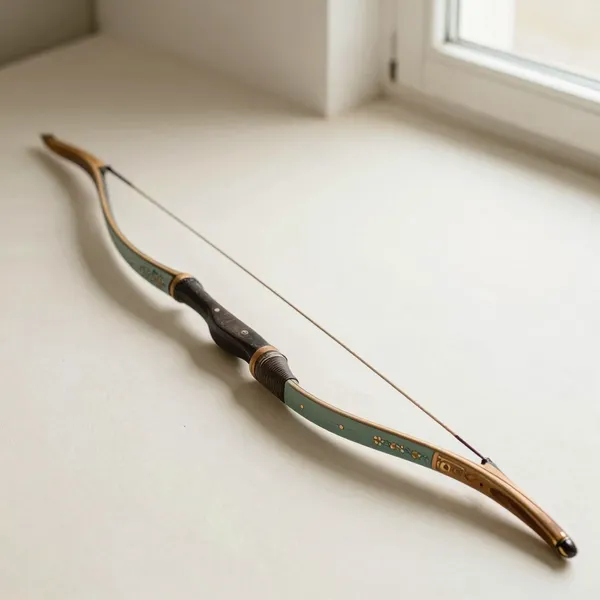
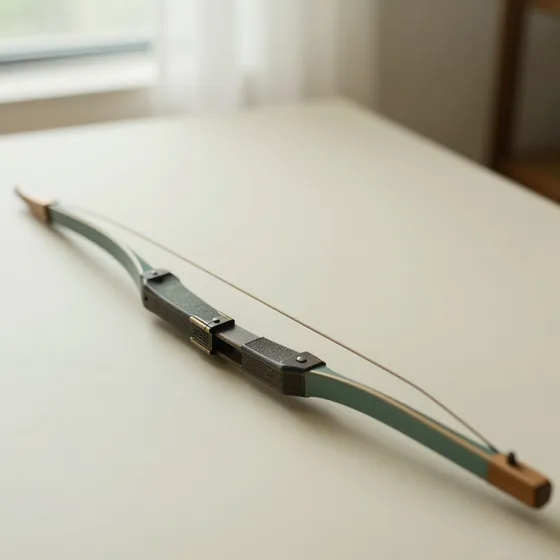
Illustrative: a 19th-century Turkish horn-and-sinew composite bow with painted decoration
$2,000 - $6,000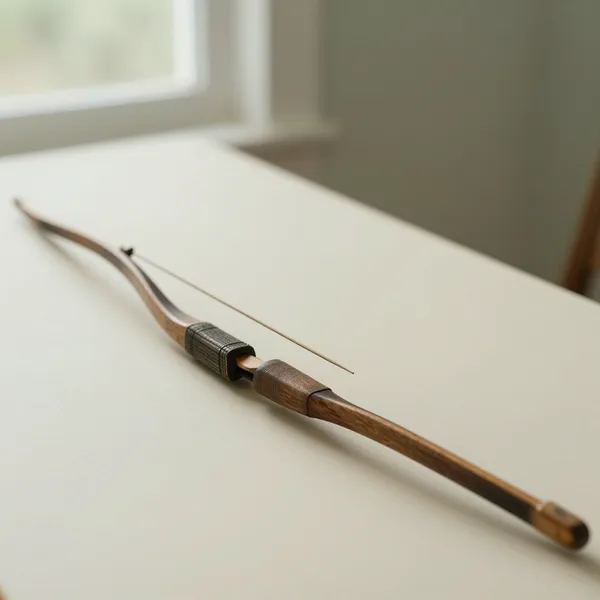
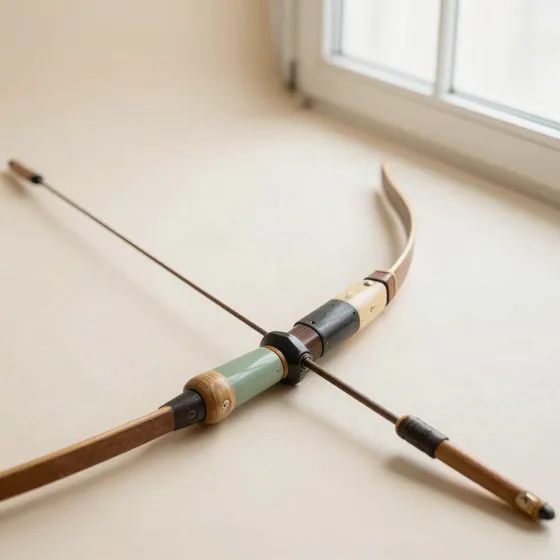
Illustrative: a late-19th-century Native American sinew-backed wood bow from the Plains region
$1,500 - $5,000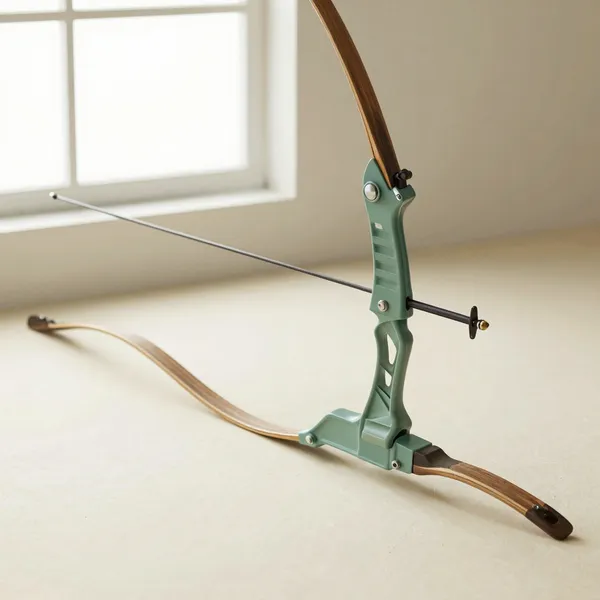
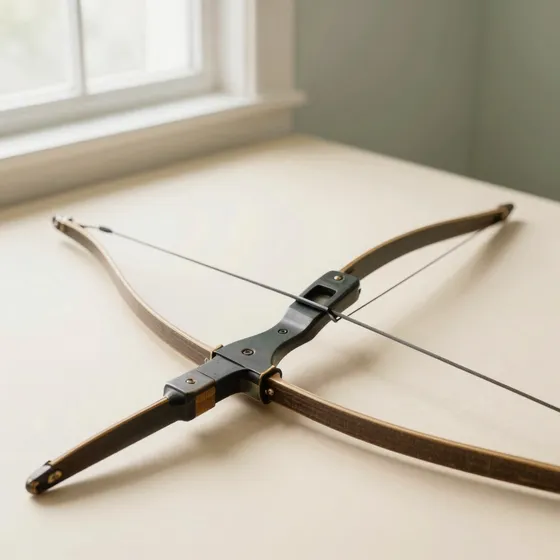
Illustrative: a 1950s American laminated recurve target bow from a known maker
$150 - $600Estimated ranges shown to guide research — not official appraisals for insurance, tax, or legal use. Illustrative examples.
Questions, answered honestly
How old does something have to be to be an antique?
As a rule of thumb, an antique is generally at least 100 years old. Items roughly 20–99 years old are usually called “vintage,” and the line shifts by category — but age alone never sets value. A 60-year-old designer piece can be worth far more than a century-old everyday object.
What affects the value of my item?
Value comes from a combination of factors: who made it, its age and rarity, condition, originality, provenance (its documented history), and — most of all — what comparable pieces have actually sold for recently. Our research weighs each of these to produce an estimated range.
I’ve inherited a collection — what do I do?
Start with the pieces you’re most curious about, or the ones you suspect are most valuable. Submit them individually, or for more than ten items use our white-glove service and we’ll research the whole batch together at a tailored rate.
Is this an official appraisal?
No. Every report is a thorough, researched estimate to guide your research — not an official appraisal for insurance, tax, or legal purposes. For those uses you’ll want a certified appraiser, and our report is a great, fast first step before that.
How accurate is a researched value report?
Our research is based on real comparable sales and a structured assessment of condition, era, and maker. It’s designed to give you a credible, well-researched estimate quickly. Like any estimate it isn’t a guarantee of sale price, which is why we always give a range rather than a single number.
“I had a vase from my grandmother and no idea where to start. The report was detailed, fast, and honest about the range.”
“Three days, a fair price, and a genuinely useful breakdown of comparable sales. Far better than waiting weeks.”
“Loved that it was upfront about being an estimate. It gave me exactly what I needed before talking to an auction house.”
Illustrative examples shown during launch — verified customer reviews will replace these as reports are delivered.
Find out what your bows is worth
A thorough, researched value report in 3 days. From $29, no subscription.
Submit Your Item →