Antique bracelet appraisal, online
That gold bangle from your grandmother, or the diamond line bracelet you inherited and have never had looked at, may be worth more than you think. Our team researches it and returns a clear value report within three days.
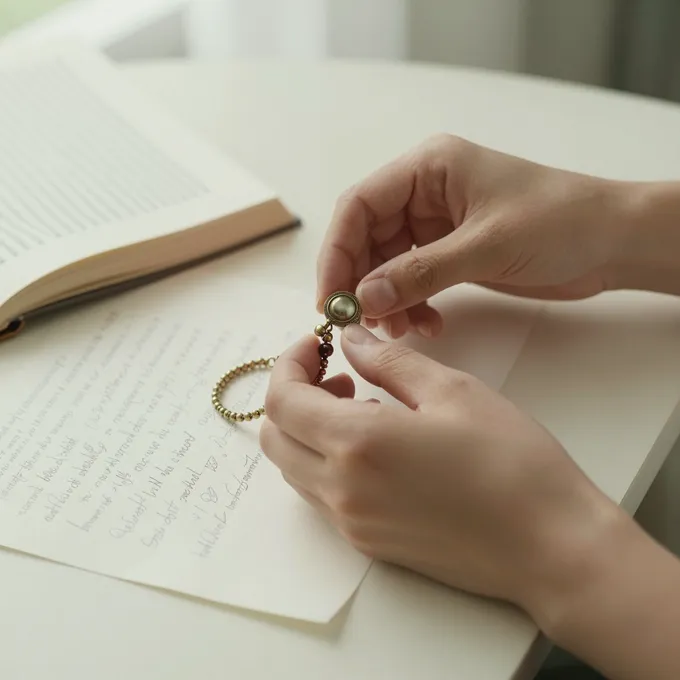
Structured research, reviewed for clarity
We start with the metal and any gemstones, reading hallmarks and maker's marks to place the piece and confirm its purity. We compare it against recent sales of similar bracelets, actual results rather than asking prices, and weigh condition, period, and clasp against those records. You receive a plain-English report with an estimated value range and the reasoning behind it, reviewed by our team before it reaches you.
What affects the value of an antique bracelet
A bracelet's value rarely comes down to a single feature. Our team weighs several factors together, because the same design can be worth very different amounts depending on its metal, its maker, and how it has survived the decades.
Maker, period and style
A signed bracelet from a recognized house such as Cartier, Tiffany, or Bulgari carries a premium that an unmarked piece of the same era will not. Period matters too: Georgian and Victorian bangles, Art Deco geometric links, and Retro-era gold each sit in their own market, and the style often tells us more about age than any single mark.
Metal, gemstones and condition
Gold karat and silver purity set a baseline, and any diamonds or coloured stones are assessed for cut, quality, and whether they are original to the piece. Condition then adjusts the figure: a sound clasp, intact links, and untouched enamel hold value, while later repairs, replaced stones, or a worn hallmark can lower it.
Comparable sales
The most reliable guide to value is what comparable bracelets have actually sold for, not what sellers hoped to get. We look to recent auction and dealer records for pieces of similar metal, maker, and period, and use those results to anchor the range we give you.
Bangle, link or charm: why the form matters
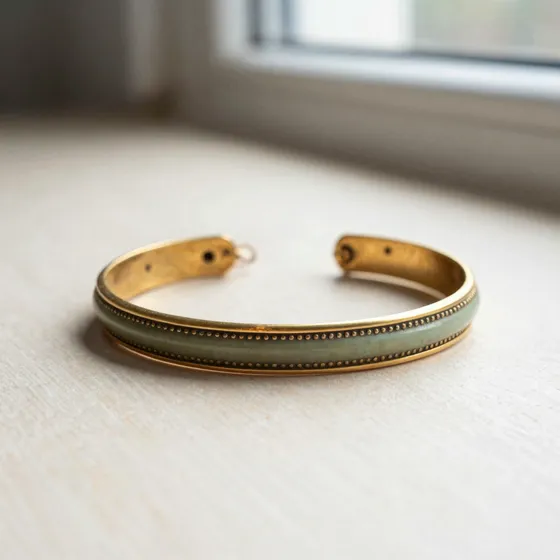
Bracelets are not one market but several. A rigid Victorian bangle, a flexible Art Deco link bracelet, a gate-link with a padlock clasp, and a charm bracelet hung with gold trinkets are each valued differently, and the charms on a charm bracelet are often worth more than the chain that carries them. Knowing which family your piece belongs to is the first step our team takes, and it is one of the things a quick glance at a photo can miss. Rather than trying to identify every detail yourself, you can send us what you have and let us place it.
Inherited a bracelet or a jewelry box?
Many of the bracelets we research arrive as part of an inheritance, sometimes a single treasured piece, sometimes a whole box no one has sorted. You do not need to know what any of it is before you begin. Photograph each bracelet clearly, note anything you know about where it came from, and submit it to us. We research each piece and return a report you can use to decide what to keep, insure, or sell, without any pressure to do any of them.
A few reports we've delivered
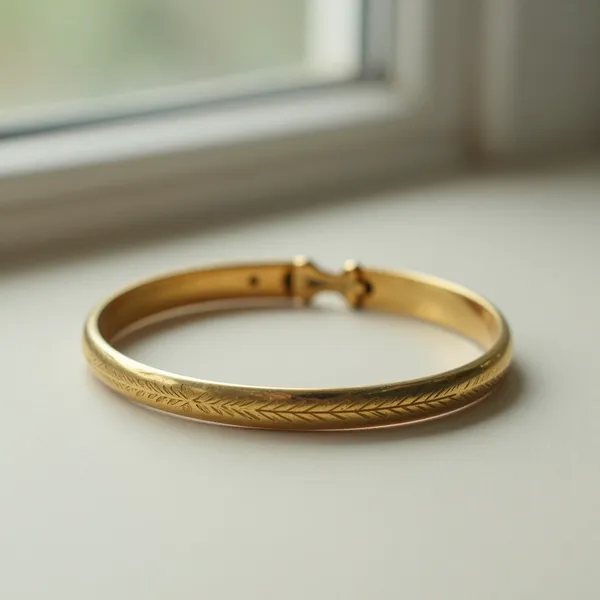
Illustrative: Victorian 15ct gold hinged bangle with engraved decoration, English, circa 1880
$700 – $1,600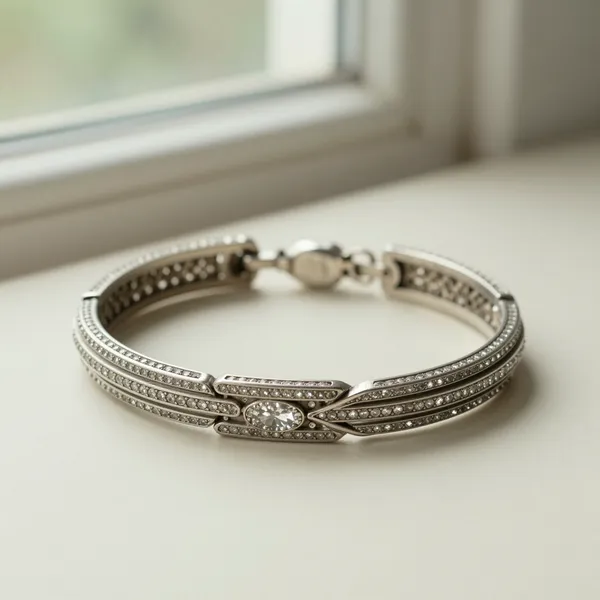
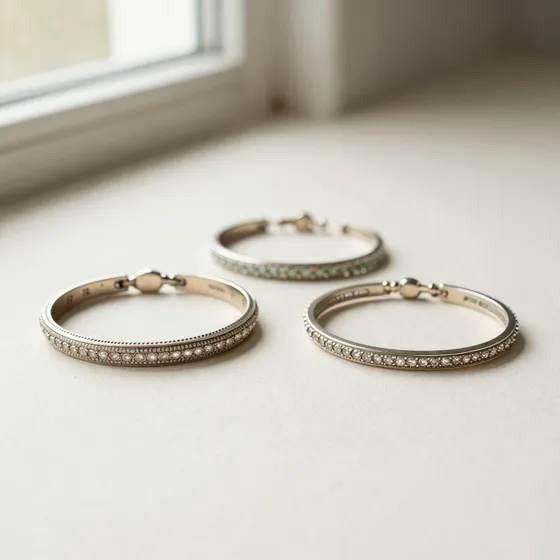
Illustrative: Art Deco platinum and diamond line bracelet, French, circa 1925
$4,500 – $9,000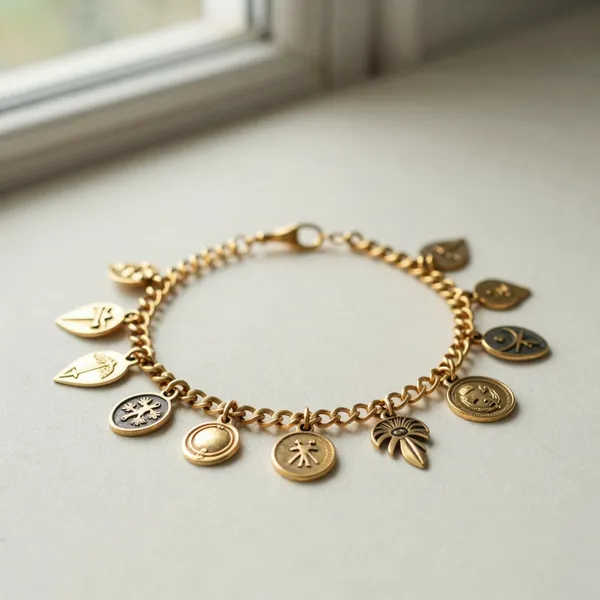
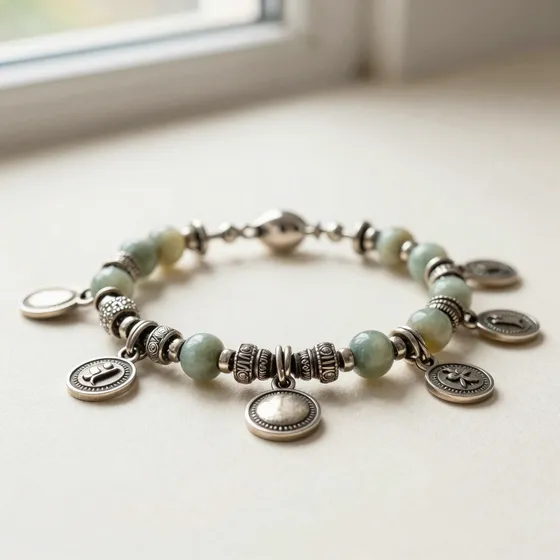
Illustrative: 9ct gold curb-link charm bracelet with fifteen assorted charms, mid-20th century
$1,200 – $2,800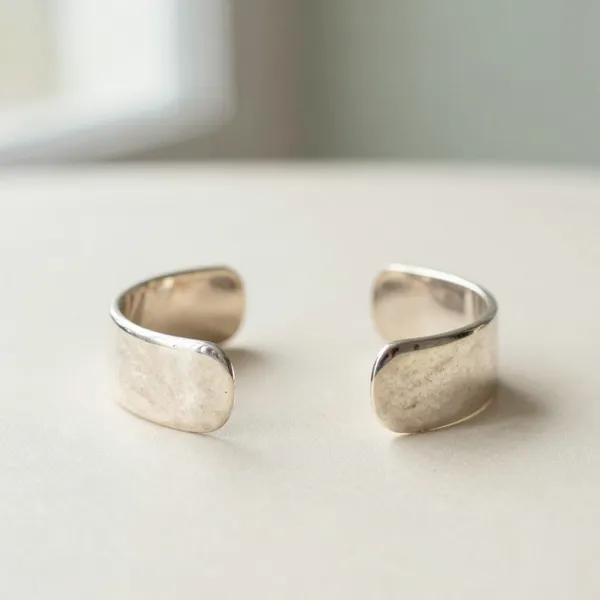
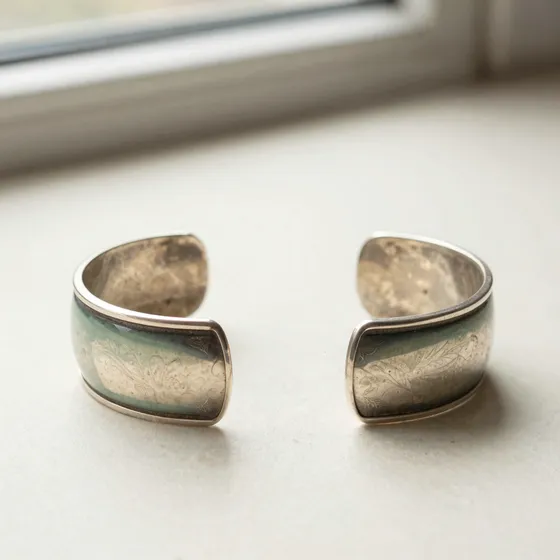
Illustrative: Georg Jensen sterling silver cuff bracelet, Denmark, mid-20th century
$400 – $900Estimated ranges shown to guide research — not official appraisals for insurance, tax, or legal use. Illustrative examples.
Questions, answered honestly
How old does something have to be to be an antique?
As a rule of thumb, an antique is generally at least 100 years old. Items roughly 20–99 years old are usually called “vintage,” and the line shifts by category — but age alone never sets value. A 60-year-old designer piece can be worth far more than a century-old everyday object.
What affects the value of my item?
Value comes from a combination of factors: who made it, its age and rarity, condition, originality, provenance (its documented history), and — most of all — what comparable pieces have actually sold for recently. Our research weighs each of these to produce an estimated range.
I’ve inherited a collection — what do I do?
Start with the pieces you’re most curious about, or the ones you suspect are most valuable. Submit them individually, or for more than ten items use our white-glove service and we’ll research the whole batch together at a tailored rate.
Is this an official appraisal?
No. Every report is a thorough, researched estimate to guide your research — not an official appraisal for insurance, tax, or legal purposes. For those uses you’ll want a certified appraiser, and our report is a great, fast first step before that.
How accurate is a researched value report?
Our research is based on real comparable sales and a structured assessment of condition, era, and maker. It’s designed to give you a credible, well-researched estimate quickly. Like any estimate it isn’t a guarantee of sale price, which is why we always give a range rather than a single number.
“I had a vase from my grandmother and no idea where to start. The report was detailed, fast, and honest about the range.”
“Three days, a fair price, and a genuinely useful breakdown of comparable sales. Far better than waiting weeks.”
“Loved that it was upfront about being an estimate. It gave me exactly what I needed before talking to an auction house.”
Illustrative examples shown during launch — verified customer reviews will replace these as reports are delivered.
Find out what your bracelets is worth
A thorough, researched value report in 3 days. From $29, no subscription.
Submit Your Item →