Antique brandy and cognac appraisal, online
That decanter of cognac from a relative's cabinet, a dusty bottle-dated Armagnac, or an unopened Napoleon brandy, each can hold far more value than its label lets on. Our team researches your brandy or cognac and returns a thoroughly researched value report within three days.
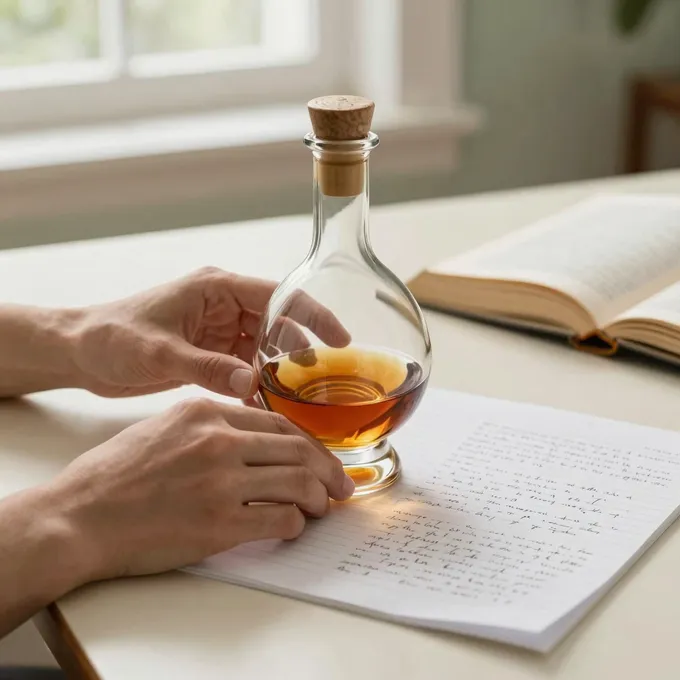
Structured research, reviewed for clarity
We begin with comparable sales, the real prices that bottles like yours have actually fetched, not asking prices or hopeful listings. From there our researchers weigh the house or estate, the region and age designation, the bottling era, the fill level and seal, and the condition of the label, capsule, and any decanter or box. You receive a plain-English report with an estimated value range and the reasoning behind it, reviewed by our team before it reaches you.
What affects the value of antique brandy and cognac
Value rarely comes down to a single detail. Our team weighs several factors together, because a bottle that is strong in one respect and weak in another can land very differently from what a quick glance suggests.
House, region & age designation
A respected cognac house, a bottle-dated Armagnac from a named estate, or a cru such as Grande Champagne can lift value considerably. Age statements like VSOP, Napoleon, XO, and Hors d'age signal maturity, but an early or discontinued bottling from a closed house is often what collectors chase, so the era behind the label frequently matters more than the grade printed on it.
Fill level, seal & condition
Brandy does not improve in the bottle, but it can be lost from it. A high fill, an intact capsule or cork, and an undamaged tax strip point to a bottle stored well. Low fills, seepage, a perished cork, faded labels, or a cracked wax seal all pull value down, while a clean label and original box can lift an otherwise common bottle.
Comparable sales
The most reliable guide is what comparable bottles have genuinely sold for. Our researchers work from real completed sales rather than optimistic asking prices, so the range you receive reflects what the market has actually paid for bottles like yours.
Why the decanter and packaging can matter as much as the spirit
With prestige cognac especially, the vessel is part of the value. A crystal decanter, a numbered presentation box, or an intact stopper and outer sleeve can account for a large share of the price, and a missing box or a chipped decanter changes the number sharply. Rather than hand you a full grading manual, our team does this comparison work for you, identifying which details on your bottle move the value and which do not, and folding that into the researched report.
Inherited a brandy or cognac collection?
Estates, old drinks cabinets, and forgotten cellars are where the most interesting bottles tend to surface, and it is easy to under or over estimate what you have. If you have inherited a collection or turned up a single dusty bottle, the simplest first step is to submit it to our team. Share a few photos and what you know of its history, and we research it and return a value report within three days. You can see how the process works on our how-it-works page, or submit your item to get started.
A few reports we've delivered
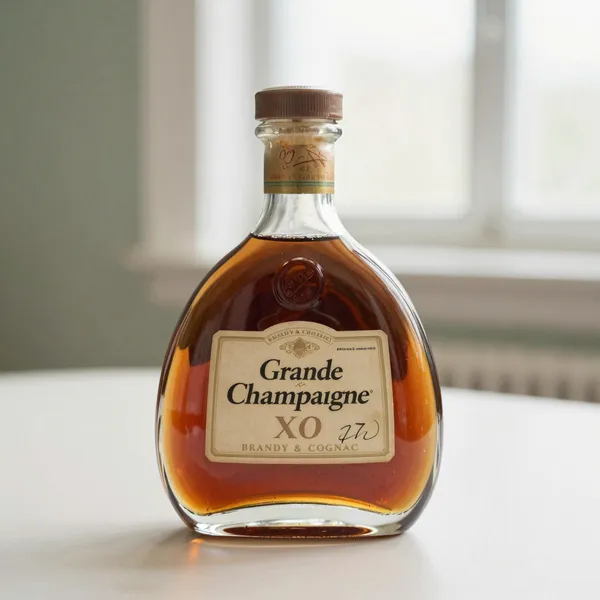
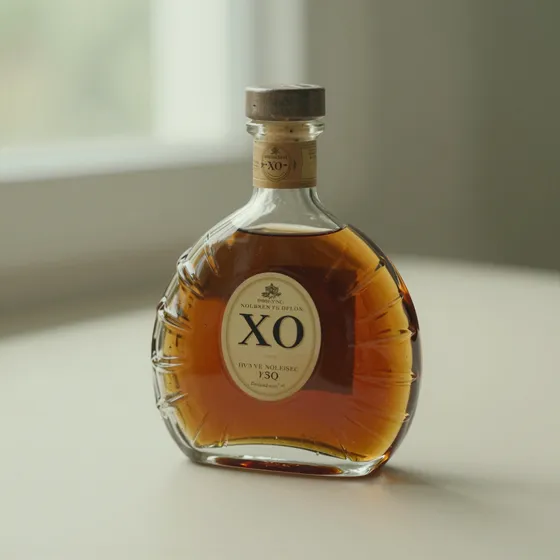
Illustrative: a 1970s Grande Champagne cognac, XO, sealed with an intact capsule and clean house label
$200 - $650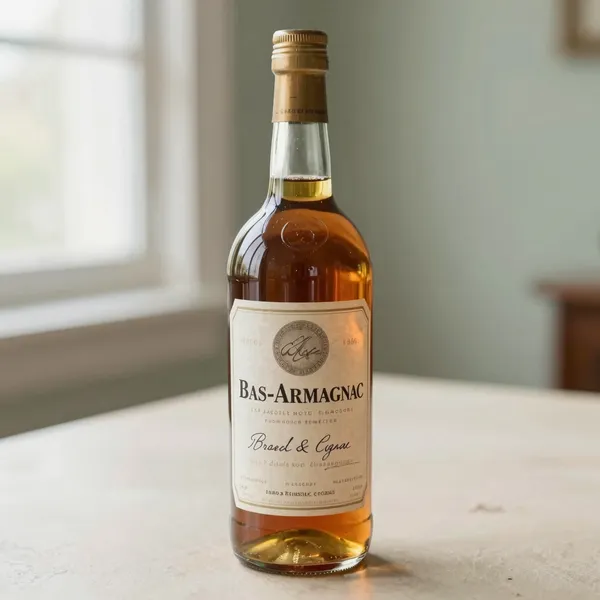
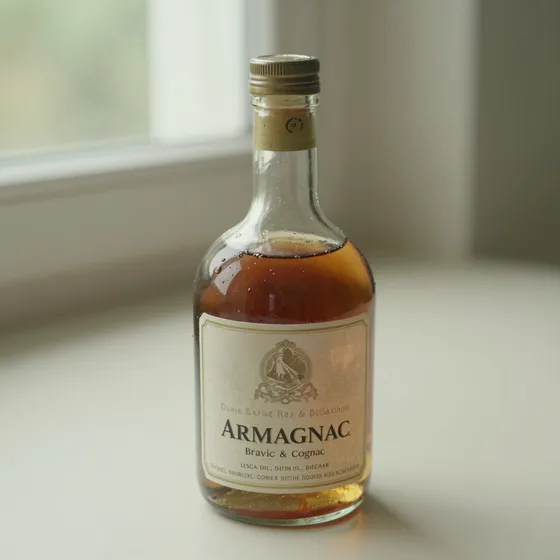
Illustrative: a bottle-dated 1960s Bas-Armagnac from a named estate, full fill, original cork and hand-written vintage label
$300 - $900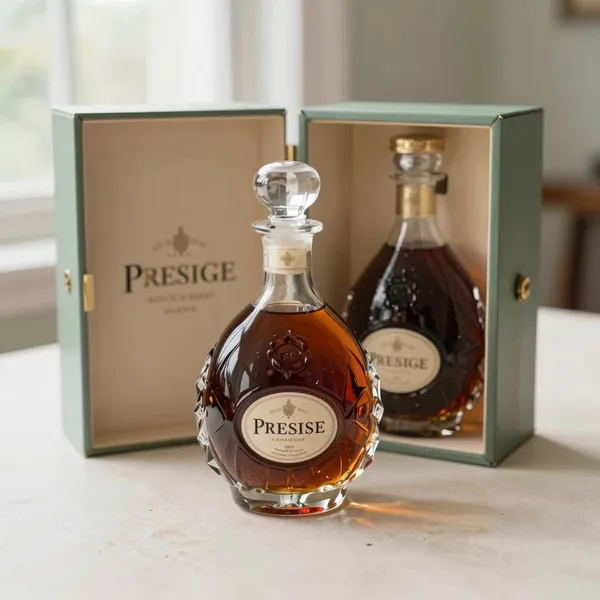
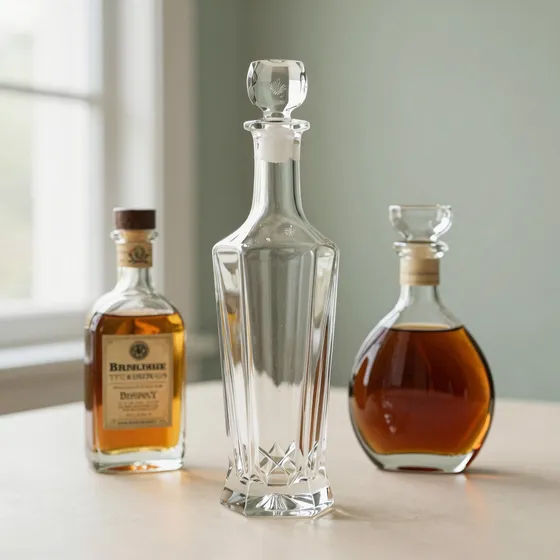
Illustrative: an unopened prestige cognac in a crystal decanter with original stopper and presentation box
$2,000 - $6,000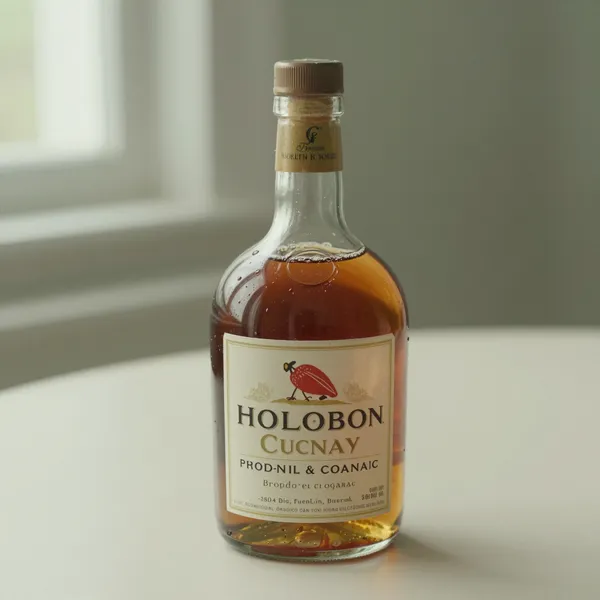
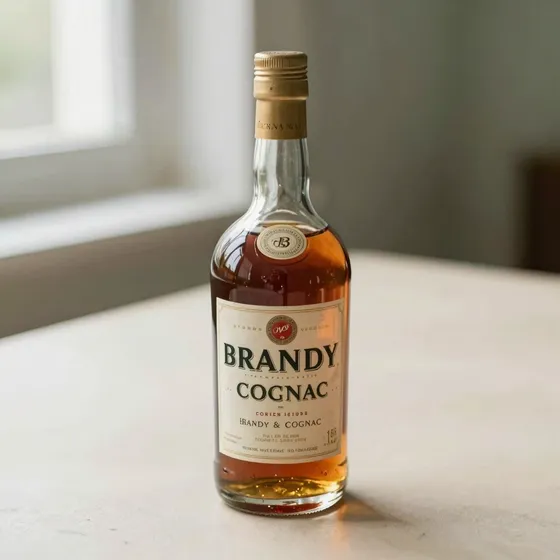
Illustrative: a mid-century Napoleon brandy, high fill and sealed, discontinued house bottling
$150 - $500Estimated ranges shown to guide research — not official appraisals for insurance, tax, or legal use. Illustrative examples.
Questions, answered honestly
How old does something have to be to be an antique?
As a rule of thumb, an antique is generally at least 100 years old. Items roughly 20–99 years old are usually called “vintage,” and the line shifts by category — but age alone never sets value. A 60-year-old designer piece can be worth far more than a century-old everyday object.
What affects the value of my item?
Value comes from a combination of factors: who made it, its age and rarity, condition, originality, provenance (its documented history), and — most of all — what comparable pieces have actually sold for recently. Our research weighs each of these to produce an estimated range.
I’ve inherited a collection — what do I do?
Start with the pieces you’re most curious about, or the ones you suspect are most valuable. Submit them individually, or for more than ten items use our white-glove service and we’ll research the whole batch together at a tailored rate.
Is this an official appraisal?
No. Every report is a thorough, researched estimate to guide your research — not an official appraisal for insurance, tax, or legal purposes. For those uses you’ll want a certified appraiser, and our report is a great, fast first step before that.
How accurate is a researched value report?
Our research is based on real comparable sales and a structured assessment of condition, era, and maker. It’s designed to give you a credible, well-researched estimate quickly. Like any estimate it isn’t a guarantee of sale price, which is why we always give a range rather than a single number.
“I had a vase from my grandmother and no idea where to start. The report was detailed, fast, and honest about the range.”
“Three days, a fair price, and a genuinely useful breakdown of comparable sales. Far better than waiting weeks.”
“Loved that it was upfront about being an estimate. It gave me exactly what I needed before talking to an auction house.”
Illustrative examples shown during launch — verified customer reviews will replace these as reports are delivered.
Find out what your brandy & cognac is worth
A thorough, researched value report in 3 days. From $29, no subscription.
Submit Your Item →