Antique brass instrument appraisal, online
That trumpet passed down from a relative, or the horn you turned up at an estate sale, may be worth more than you would guess. Our team researches its maker, era, and condition and returns a clear value report in three days.
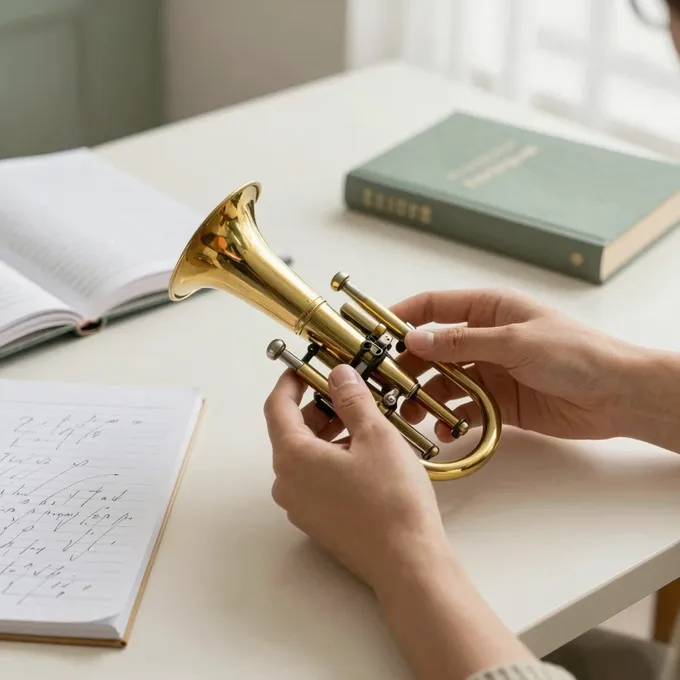
Structured research, reviewed for clarity
We start by pulling comparable sales, actual hammer prices and completed listings rather than hopeful asking prices, for instruments close to yours in maker, model, and era. We weigh condition and originality: valve compression, slide action, dents, corrosion, red rot in the brass, and whether the finish is original. We read the bell engraving and serial number to confirm the maker and narrow the date. You receive a plain-English report with an estimated value range and the reasoning behind it, reviewed by our team.
What affects the value of antique brass instruments
Value rarely comes down to a single feature. Our team weighs several factors together, because a respected maker can be offset by heavy wear, and a modest horn in exceptional original condition can quietly outperform expectations.
Maker, period & model
The name on the bell carries a lot of weight. Instruments from makers like Vincent Bach, C.G. Conn, Selmer, Besson, and Gebr. Alexander are followed closely, and certain eras and models, an early Mt. Vernon Bach or a professional-grade Conn, command a premium over the student lines those same brands produced.
Condition & originality
Playability matters as much as looks. Free-moving valves and slides, tight compression, and the absence of dents, cracks, or red rot all lift value. Original lacquer or silver plate is prized; a full refinish or replaced parts, even skillfully done, usually lowers what collectors and players will pay.
Comparable sales
We anchor every estimate to real sales, completed auction results and sold listings, not the optimistic asking prices you see online. Recent comparables for the same maker and model tell us what your instrument is actually likely to bring.
What the engraving and serial number can tell us
Much of a brass instrument's story is stamped right on it. The bell engraving names the maker and often the model and place of manufacture, while the serial number, usually on the valve casing or a slide, helps pin down the year it was built. We read these together to confirm what you have and place it in the right period. We do that research for you as part of the report, so you do not need to decode stamps and serial charts yourself. You simply tell us what you have and send photos.
Inherited a brass instrument or a whole band collection?
Estates and family attics often turn up more than one horn: a grandparent's cornet, a school-band trumpet, sometimes a case of assorted brass. Values can range widely across a single collection, so it helps to know which pieces are worth insuring or selling and which are sentimental keepsakes. Tell us what you have and send a few clear photos of each instrument, including the bell engraving and serial number, and our team will research them and return a value report in three days. When you are ready, submit your item to get started.
A few reports we've delivered
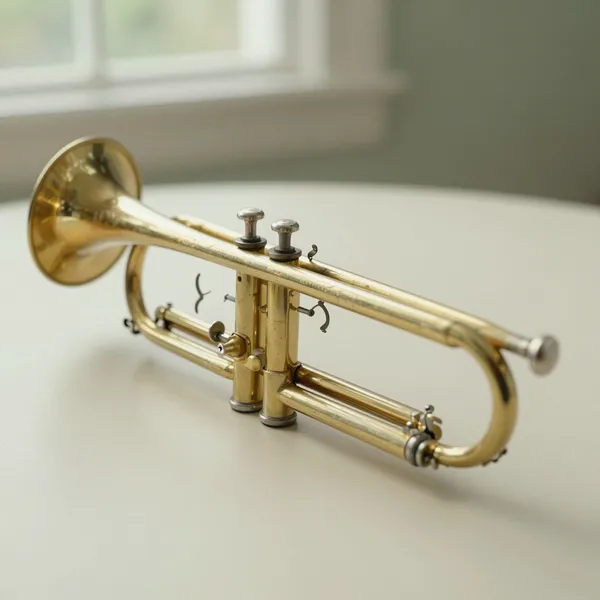
Illustrative: 1950s C.G. Conn Victor trumpet in original lacquer with matching serial
$500 – $1,300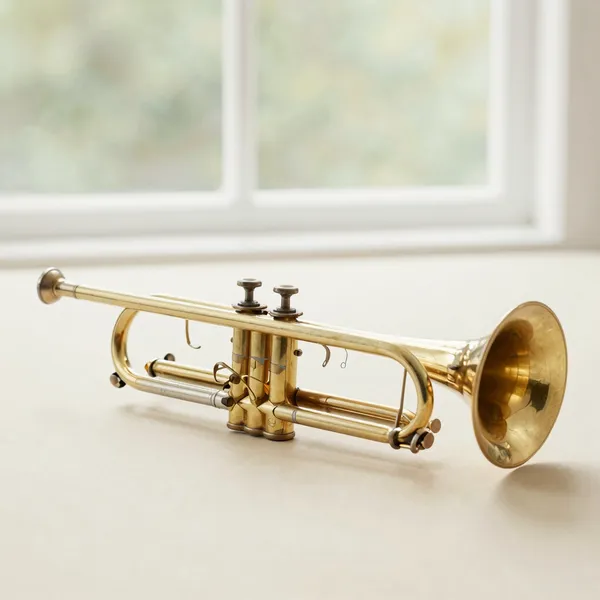
Illustrative: early Vincent Bach Stradivarius trumpet, Mt. Vernon era, original finish
$2,500 – $5,500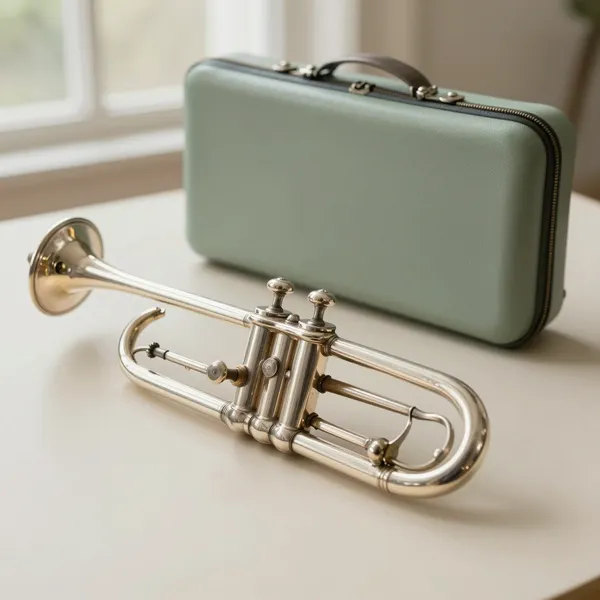
Illustrative: late-Victorian silver-plated cornet by a British maker with fitted case
$300 – $800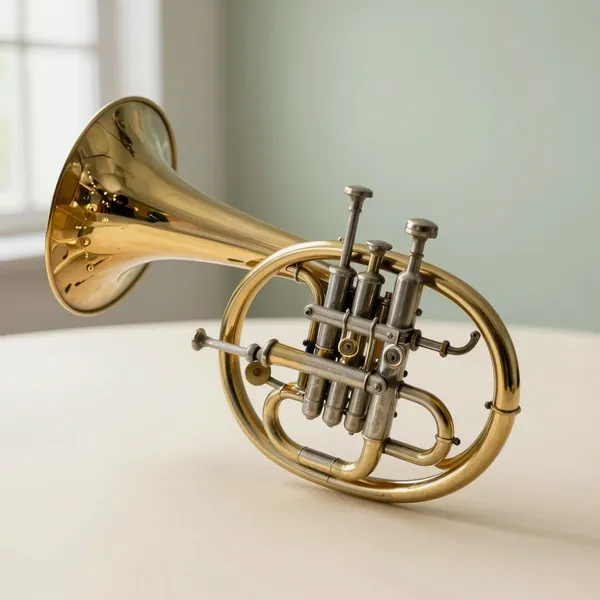
Illustrative: mid-century Gebr. Alexander Model 103 French horn in good playing order
$3,000 – $6,500Estimated ranges shown to guide research — not official appraisals for insurance, tax, or legal use. Illustrative examples.
Questions, answered honestly
How old does something have to be to be an antique?
As a rule of thumb, an antique is generally at least 100 years old. Items roughly 20–99 years old are usually called “vintage,” and the line shifts by category — but age alone never sets value. A 60-year-old designer piece can be worth far more than a century-old everyday object.
What affects the value of my item?
Value comes from a combination of factors: who made it, its age and rarity, condition, originality, provenance (its documented history), and — most of all — what comparable pieces have actually sold for recently. Our research weighs each of these to produce an estimated range.
I’ve inherited a collection — what do I do?
Start with the pieces you’re most curious about, or the ones you suspect are most valuable. Submit them individually, or for more than ten items use our white-glove service and we’ll research the whole batch together at a tailored rate.
Is this an official appraisal?
No. Every report is a thorough, researched estimate to guide your research — not an official appraisal for insurance, tax, or legal purposes. For those uses you’ll want a certified appraiser, and our report is a great, fast first step before that.
How accurate is a researched value report?
Our research is based on real comparable sales and a structured assessment of condition, era, and maker. It’s designed to give you a credible, well-researched estimate quickly. Like any estimate it isn’t a guarantee of sale price, which is why we always give a range rather than a single number.
“I had a vase from my grandmother and no idea where to start. The report was detailed, fast, and honest about the range.”
“Three days, a fair price, and a genuinely useful breakdown of comparable sales. Far better than waiting weeks.”
“Loved that it was upfront about being an estimate. It gave me exactly what I needed before talking to an auction house.”
Illustrative examples shown during launch — verified customer reviews will replace these as reports are delivered.
Find out what your brass instruments is worth
A thorough, researched value report in 3 days. From $29, no subscription.
Submit Your Item →