Antique Breyer horse appraisal, online
That shelf of Breyer horses you inherited, or the glossy model you have kept since childhood, may be worth more than you would guess. Our team researches its mold, finish, and recent sales, then returns a clear value report in three days.
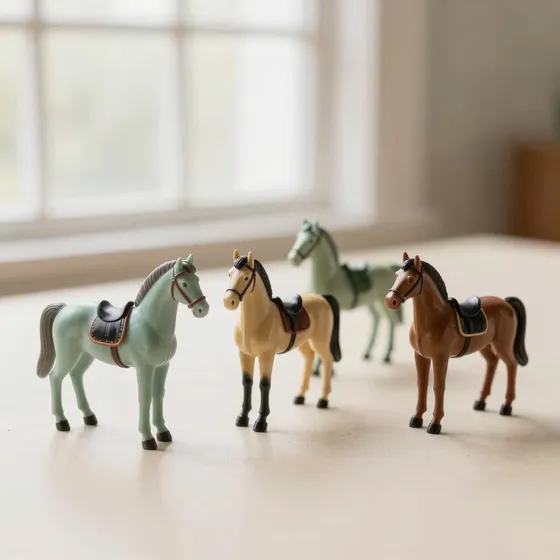
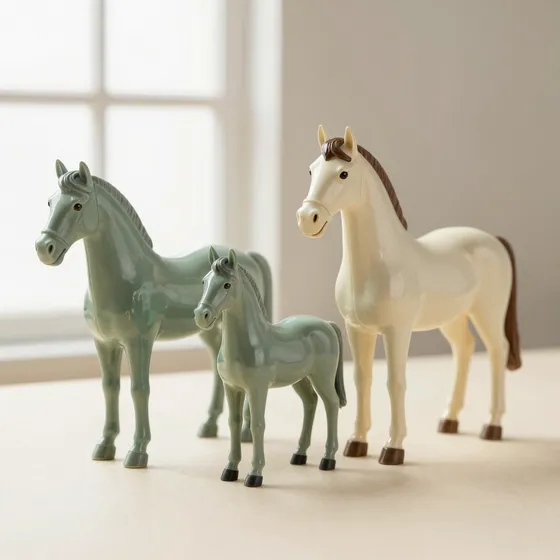
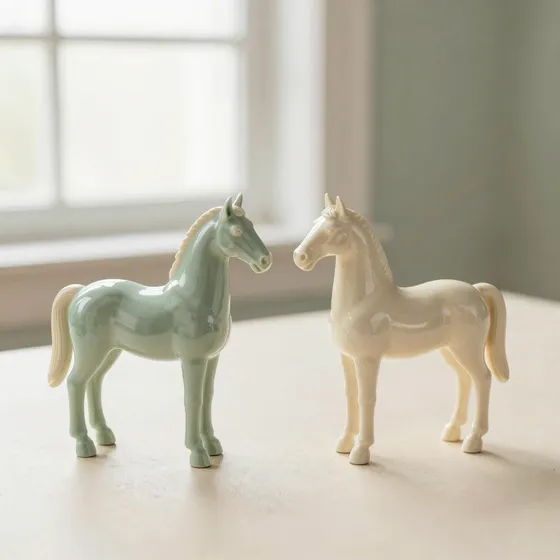
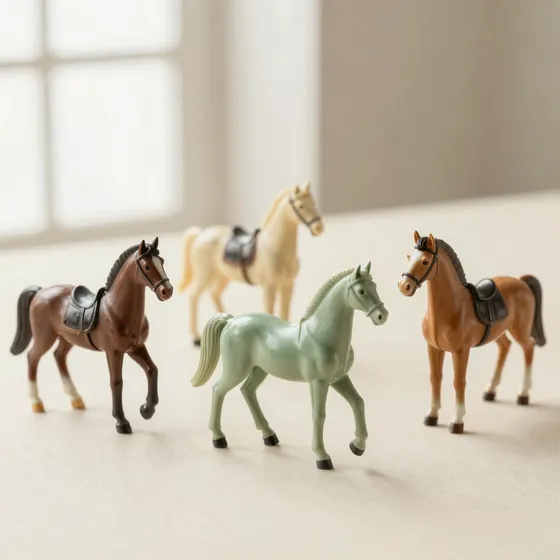
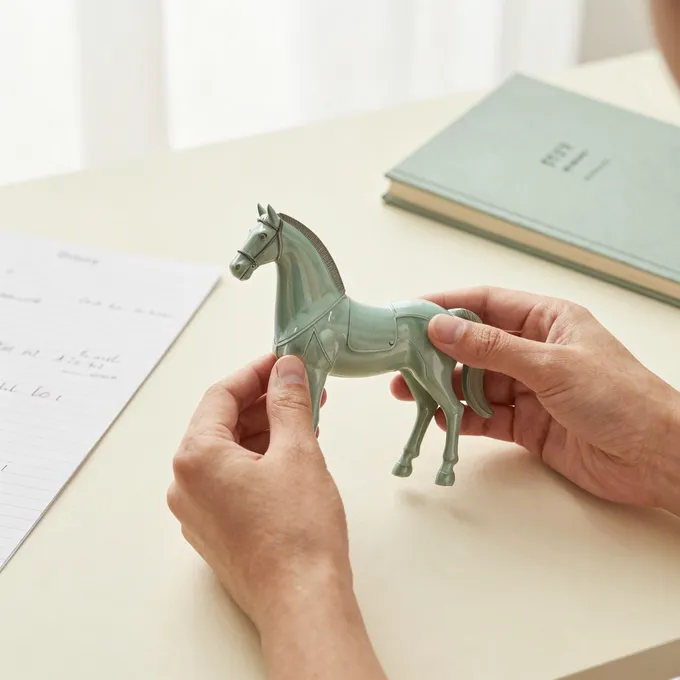
Structured research, reviewed for clarity
We start by pulling comparable sales, actual hammer prices and completed listings rather than hopeful asking prices, for models close to yours in mold, color, and era. We weigh condition and originality: rubs, breaks or repairs, yellowing, and whether the finish is untouched. We read the mold stamp and any markings to identify the model and narrow its production years. You receive a plain-English report with an estimated value range and the reasoning behind it, reviewed by our team.
What affects the value of antique Breyer horses
Value rarely comes down to a single feature. Our team weighs several factors together, because a sought-after mold can be offset by heavy wear, and an ordinary-looking model in exceptional original condition can quietly outperform expectations.
Mold, color & production run
The mold and the color it was cast in do much of the work. Long-retired molds, early releases, and short special runs are followed closely, while decorator colors and glossy finishes from the vintage era stand well above the common matte production a mold may have shipped in for decades.
Condition & originality
Because these are painted models, surface matters enormously. Sharp original paint, no rubs on the high points, and no breaks, repairs, or yellowing all lift value. Sun-faded color, chipped ears and hooves, or a repaint, even a careful one, usually lowers what collectors will pay.
Comparable sales
We anchor every estimate to real sales, completed auction results and sold listings, not the optimistic asking prices you see online. Recent comparables for the same mold and color tell us what your model is actually likely to bring.
Why two Breyer horses on the same mold can be worth very different amounts
Two models can share a mold and still sit far apart in value, because the color, finish, and era of casting change everything. A glossy vintage release, a decorator color, or a limited special run can be worth many times a standard matte version of the very same horse. Small production details, the shape of the mold stamp, whether it reads USA, a round or oval mark, help place when a model was made. We sort all of that out for you as part of the report, so you do not need to memorize mold marks and release lists. You simply tell us what you have and send photos.
Inherited a Breyer horse collection?
Estates and childhood bedrooms often turn up a whole herd: a parent's vintage models, a shelf of traditionals, sometimes a box of assorted sizes. Values can range widely across a single collection, so it helps to know which pieces are worth insuring or selling and which are sentimental keepsakes. Tell us what you have and send a few clear photos of each model, including the belly stamp, and our team will research them and return a value report in three days. When you are ready, submit your item to get started.
A few reports we've delivered
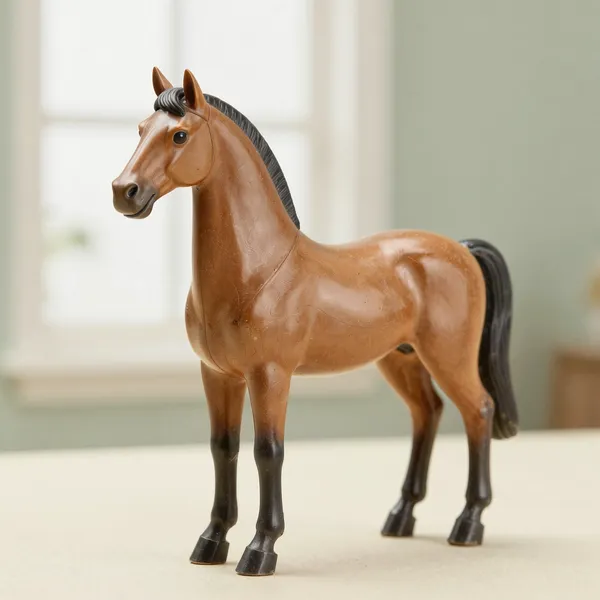
Illustrative: 1960s glossy Fighting Stallion in bay, original finish with light rubs
$150 – $400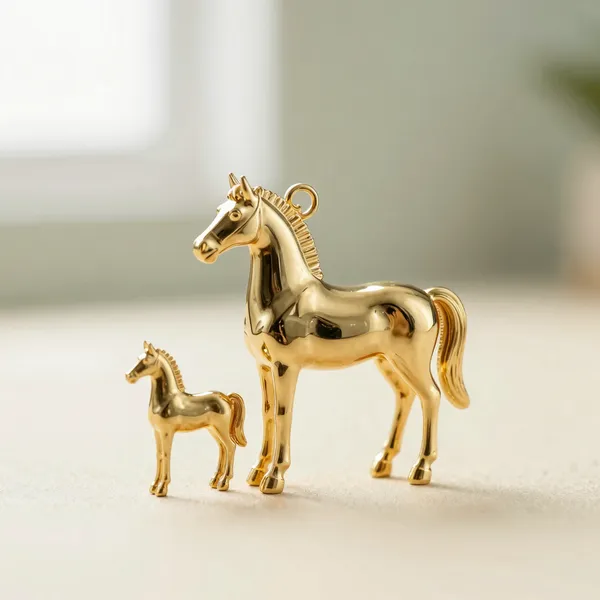
Illustrative: decorator gold charm Family Arabian Mare, gloss finish, vintage release
$500 – $1,400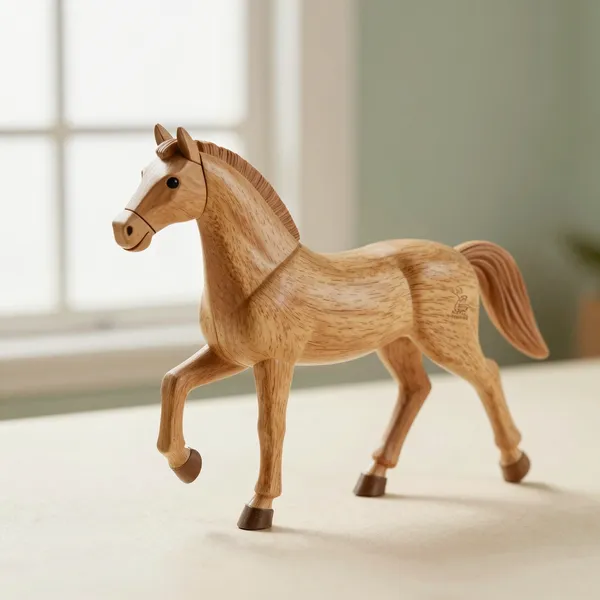
Illustrative: 1960s woodgrain Running Mare with original belly stamp
$120 – $300
Illustrative: matte Traditional-scale Man O' War, near-mint with original box
$45 – $110Estimated ranges shown to guide research — not official appraisals for insurance, tax, or legal use. Illustrative examples.
Questions, answered honestly
How old does something have to be to be an antique?
As a rule of thumb, an antique is generally at least 100 years old. Items roughly 20–99 years old are usually called “vintage,” and the line shifts by category — but age alone never sets value. A 60-year-old designer piece can be worth far more than a century-old everyday object.
What affects the value of my item?
Value comes from a combination of factors: who made it, its age and rarity, condition, originality, provenance (its documented history), and — most of all — what comparable pieces have actually sold for recently. Our research weighs each of these to produce an estimated range.
I’ve inherited a collection — what do I do?
Start with the pieces you’re most curious about, or the ones you suspect are most valuable. Submit them individually, or for more than ten items use our white-glove service and we’ll research the whole batch together at a tailored rate.
Is this an official appraisal?
No. Every report is a thorough, researched estimate to guide your research — not an official appraisal for insurance, tax, or legal purposes. For those uses you’ll want a certified appraiser, and our report is a great, fast first step before that.
How accurate is a researched value report?
Our research is based on real comparable sales and a structured assessment of condition, era, and maker. It’s designed to give you a credible, well-researched estimate quickly. Like any estimate it isn’t a guarantee of sale price, which is why we always give a range rather than a single number.
“I had a vase from my grandmother and no idea where to start. The report was detailed, fast, and honest about the range.”
“Three days, a fair price, and a genuinely useful breakdown of comparable sales. Far better than waiting weeks.”
“Loved that it was upfront about being an estimate. It gave me exactly what I needed before talking to an auction house.”
Illustrative examples shown during launch — verified customer reviews will replace these as reports are delivered.
Find out what your breyer horses is worth
A thorough, researched value report in 3 days. From $29, no subscription.
Submit Your Item →