Antique carpet and rug appraisal, online
That hand-knotted rug you inherited, the one that has spent years underfoot or rolled up in a closet, may be worth far more than its wear suggests, or far less. Our team researches its origin, age, and condition and returns a plain-English value report within three days.
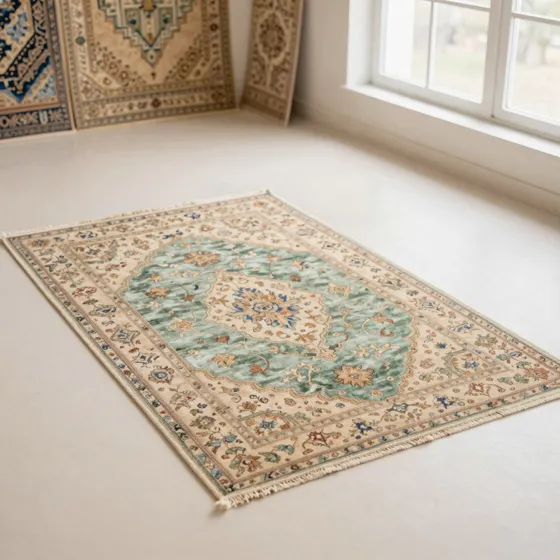
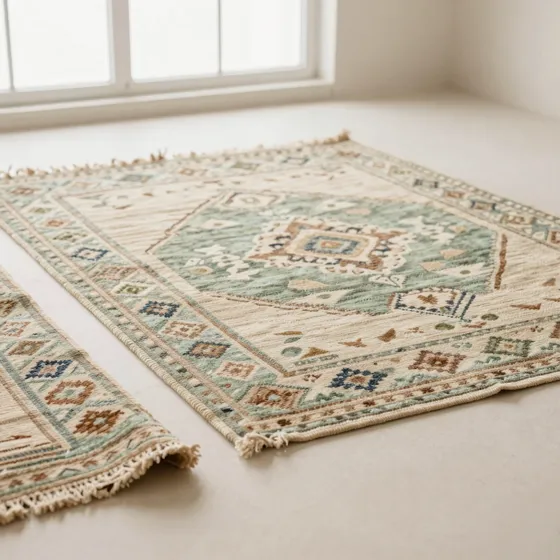
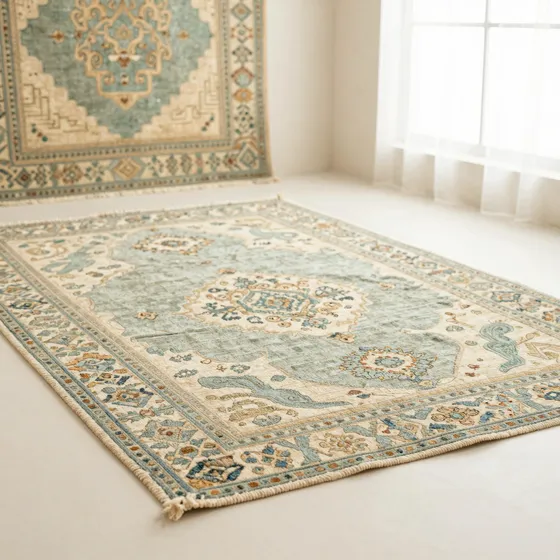
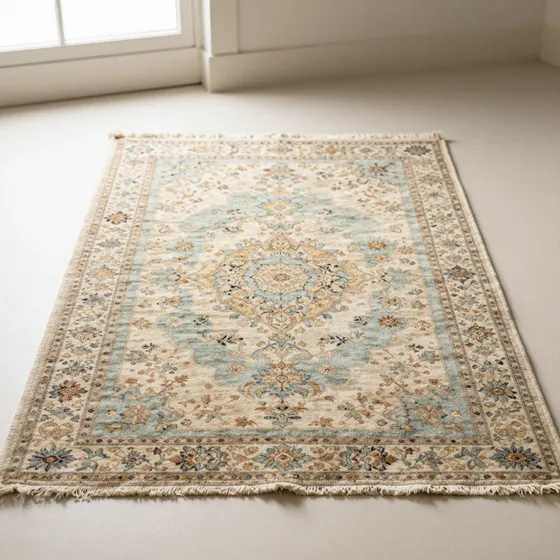
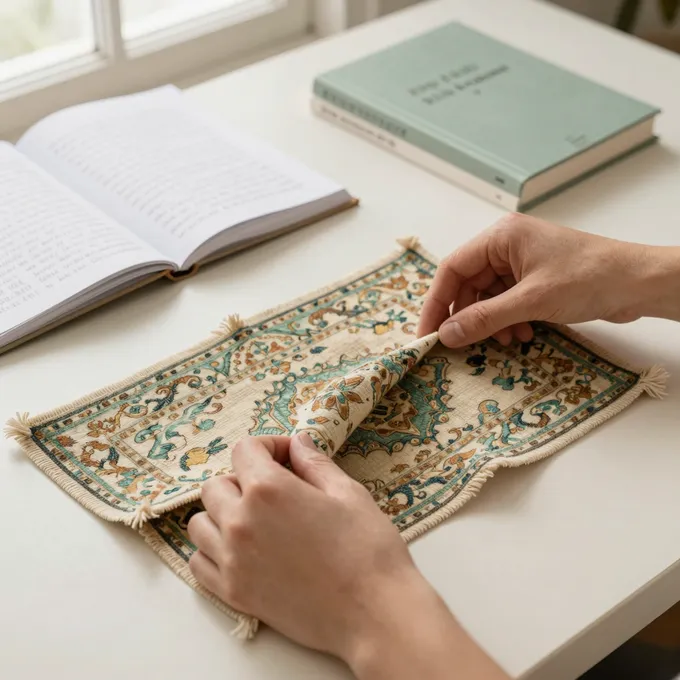
Structured research, reviewed for clarity
We begin with what your rug tells us: the weave structure, knot density, the wool or silk in the pile, and the dyes, all of which point to a region and a period. We compare your piece against documented auction and dealer sales of similar weavings, not asking prices, and weigh condition honestly, since pile wear, repairs, and a sound foundation move value in either direction. Your report, reviewed by our team, sets out an estimated range with the reasoning behind it in language you can actually use.
What affects the value of antique carpets and rugs
A rug's value is never a single number pulled from its size or its age. Our team weighs several threads together, because a worn tribal piece with natural dyes can outvalue a pristine but ordinary commercial carpet.
Origin, weave and knot density
Where and how a rug was knotted shapes its value more than almost anything else. A finely knotted city workshop piece from a renowned weaving center reads very differently from a coarse nomadic weaving, and the knot count per square inch, the symmetry of the knot, and the foundation all help place it.
Materials, dyes and condition
Hand-spun wool, silk highlights, and natural plant or insect dyes signal age and quality, while harsh synthetic dyes point to later production. Condition matters too: even pile, intact selvedges and ends, and original size raise value, while heavy wear, moth damage, or aggressive repairs lower it.
Comparable sales
We ground every estimate in what comparable rugs have actually sold for at auction and through dealers, not in optimistic listing prices. Real results for pieces of similar origin, age, and condition are what make a range credible.
Hand-knotted, handwoven, or machine-made?
One of the first things buyers want to know is whether a rug is genuinely hand-knotted, a handwoven flatweave like a kilim, or a machine-made reproduction, because the gap in value is enormous. The clues live in the weave, the back, the fringe, and the regularity of the knots. We assess these for you rather than asking you to become a weaving expert overnight, and we tell you plainly which category your piece falls into and what that means for its worth.
Inherited a rug or a whole collection?
Many of the rugs we research come from an estate, a grandparent's home, or a box of textiles no one quite knew what to do with. If you have one special piece or a stack of them, the easiest start is to submit clear photos of the front, the back, and the ends, along with any size measurements and family history you have. Our team takes it from there and returns a researched value report you can use to decide whether to keep, insure, sell, or simply understand what you own.
A few reports we've delivered
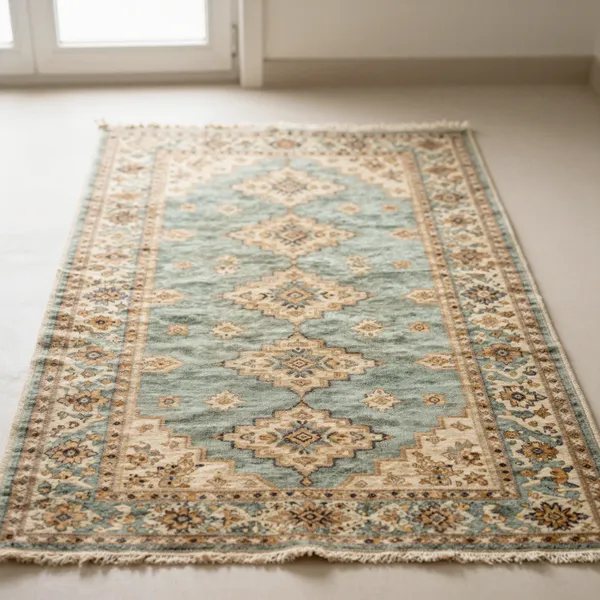
Illustrative: late 19th-century Caucasian Kazak rug, bold geometric medallions, natural dyes, even low pile
$2,500 – $6,000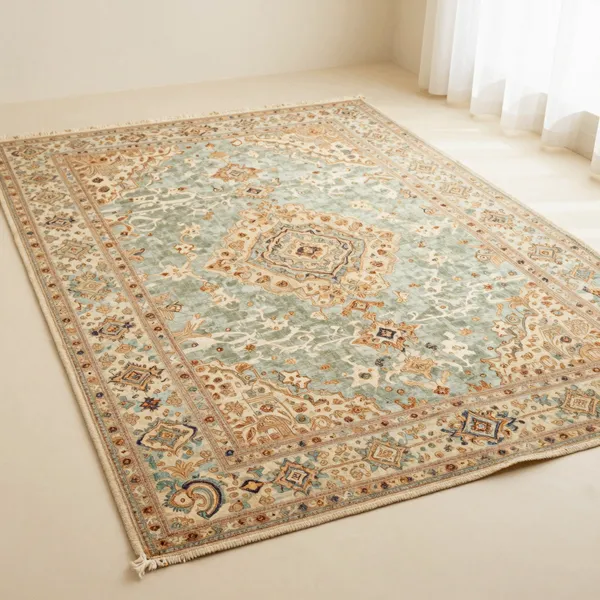
Illustrative: early 20th-century finely knotted Tabriz carpet, silk highlights, room size, light edge wear
$4,000 – $11,000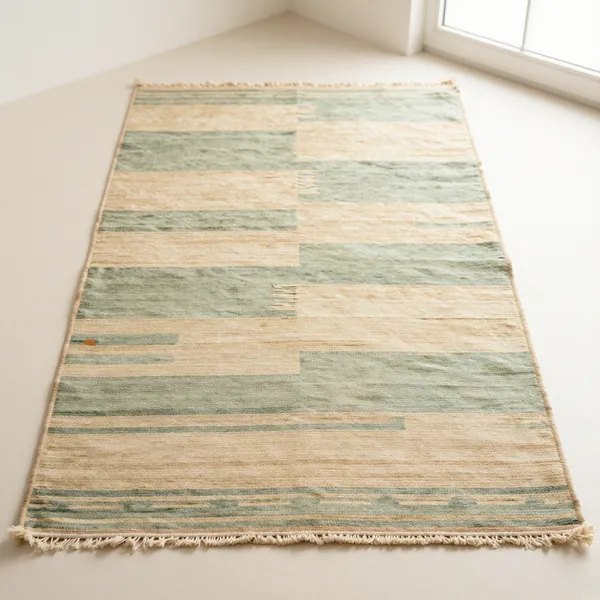
Illustrative: vintage Anatolian kilim, slit-woven panels, vegetable dyes, minor restoration to one end
$600 – $1,800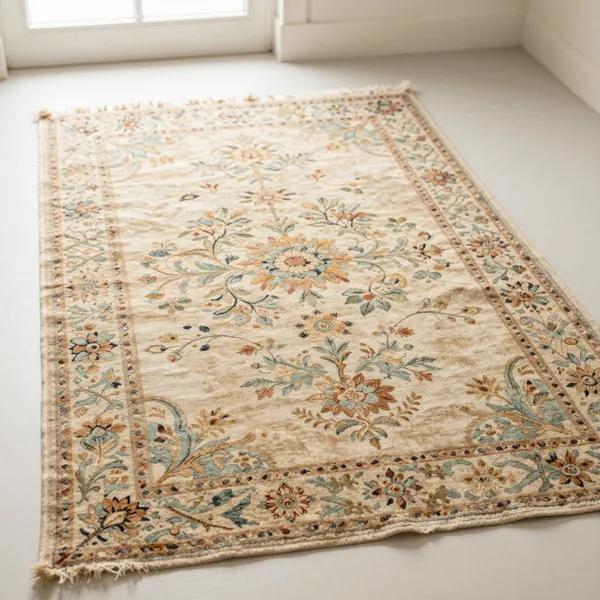
Illustrative: 19th-century French Aubusson flat tapestry carpet, floral cartouche, some fading and reweaving
$3,000 – $9,000Estimated ranges shown to guide research — not official appraisals for insurance, tax, or legal use. Illustrative examples.
Questions, answered honestly
How old does something have to be to be an antique?
As a rule of thumb, an antique is generally at least 100 years old. Items roughly 20–99 years old are usually called “vintage,” and the line shifts by category — but age alone never sets value. A 60-year-old designer piece can be worth far more than a century-old everyday object.
What affects the value of my item?
Value comes from a combination of factors: who made it, its age and rarity, condition, originality, provenance (its documented history), and — most of all — what comparable pieces have actually sold for recently. Our research weighs each of these to produce an estimated range.
I’ve inherited a collection — what do I do?
Start with the pieces you’re most curious about, or the ones you suspect are most valuable. Submit them individually, or for more than ten items use our white-glove service and we’ll research the whole batch together at a tailored rate.
Is this an official appraisal?
No. Every report is a thorough, researched estimate to guide your research — not an official appraisal for insurance, tax, or legal purposes. For those uses you’ll want a certified appraiser, and our report is a great, fast first step before that.
How accurate is a researched value report?
Our research is based on real comparable sales and a structured assessment of condition, era, and maker. It’s designed to give you a credible, well-researched estimate quickly. Like any estimate it isn’t a guarantee of sale price, which is why we always give a range rather than a single number.
“I had a vase from my grandmother and no idea where to start. The report was detailed, fast, and honest about the range.”
“Three days, a fair price, and a genuinely useful breakdown of comparable sales. Far better than waiting weeks.”
“Loved that it was upfront about being an estimate. It gave me exactly what I needed before talking to an auction house.”
Illustrative examples shown during launch — verified customer reviews will replace these as reports are delivered.
Find out what your carpets & rugs is worth
A thorough, researched value report in 3 days. From $29, no subscription.
Submit Your Item →