Antique ceramics and porcelain appraisal, online
That inherited tea service, or the marked vase you have been wondering about, may be worth more, or less, than it looks. Our team researches antique ceramics and porcelain and delivers a clear, evidence-based value report in three days.
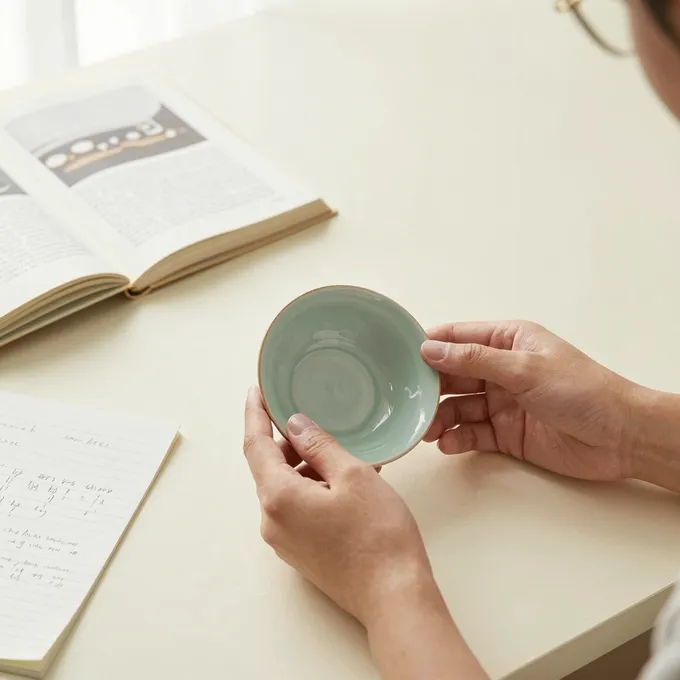
Structured research, reviewed for clarity
We start with what makes your piece what it is, the backstamp or factory mark, the body and glaze, and whether the decoration was hand-painted or transfer-printed. From there we compare it against recent auction and dealer sales of similar examples, not asking prices, and weigh condition, period, and maker. You receive a plain-English report with an estimated value range and the reasoning behind it, reviewed by our team.
What affects the value of antique ceramics and porcelain
Value rarely comes down to a single feature. Our team weighs several factors together, because a famous mark on a damaged or married piece can mean far less than a modest mark on a rare, perfect one.
Maker, factory and period
Backstamps, impressed marks and pattern numbers can point to a factory and an era, from 18th-century Meissen and Sevres to Worcester, Derby and later studio potters. The same form made in different decades can vary widely in value, and marks were widely copied, so the mark is a starting point, not a verdict.
Body, glaze and decoration
Whether a piece is hard-paste or soft-paste porcelain, bone china or earthenware affects both attribution and desirability. Hand-painted decoration, gilding and named patterns usually carry more weight than transfer-printed designs, and the quality of the painting itself matters.
Condition and comparable sales
Hairline cracks, chips, crazing, restoration and over-cleaning all move the number, and a restored piece can sell for a fraction of a perfect one. We base our ranges on real, recorded sales of comparable pieces rather than asking prices or insurance figures.
Marks, sets, and the things that trip people up
A factory mark tells you where to look, not what a piece is worth, and many famous marks, the Meissen crossed swords above all, were imitated for more than a century. Sets matter too: a complete, matched dinner or tea service in good order can be worth considerably more than the same pieces split up, while a single replaced cup can quietly lower the value of an otherwise pristine service. Rather than have you work through every mark yourself, our team does that comparison and tells you what your specific piece is, and what it is realistically worth.
Inherited a china collection or service?
Inherited cabinets of porcelain are common, and it is often hard to tell the genuinely valuable pieces from the merely pretty ones. You do not need to sort it out alone. Photograph the pieces, including any marks on the base, and submit them; our team researches the collection and reports back with value ranges and which pieces deserve the most attention. When you are ready, submit your item to get started.
A few reports we've delivered
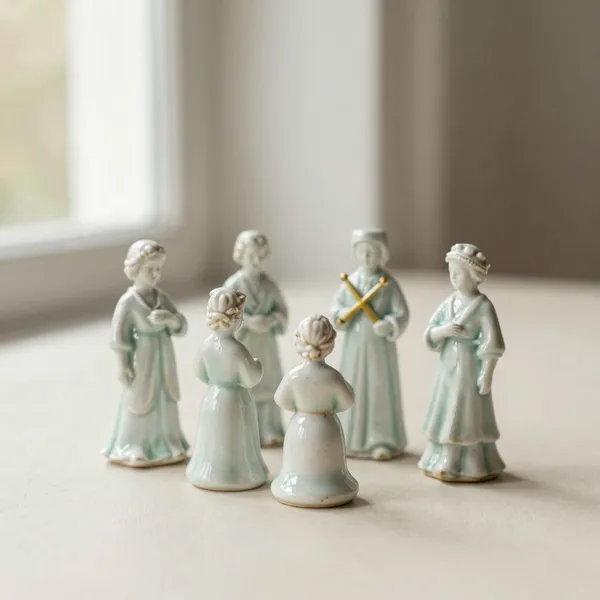
Illustrative: late 19th-century Meissen porcelain figure group, crossed-swords mark, minor restoration to one hand
$600 - $1,800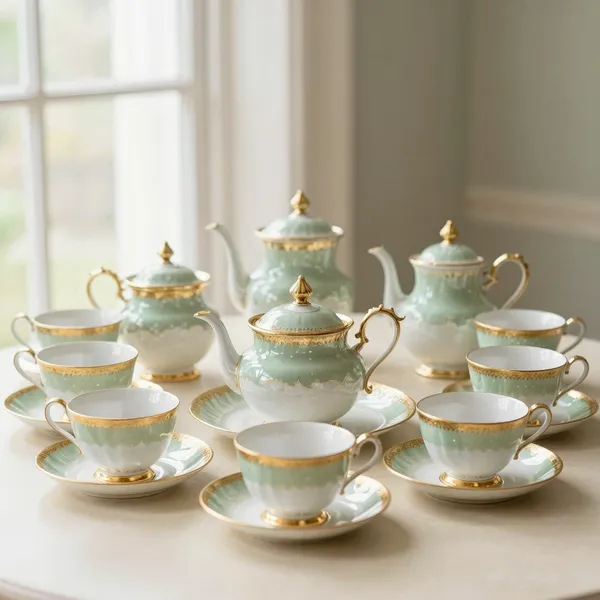
Illustrative: early 20th-century English bone china tea service for twelve, hand-gilded, complete and undamaged
$250 - $700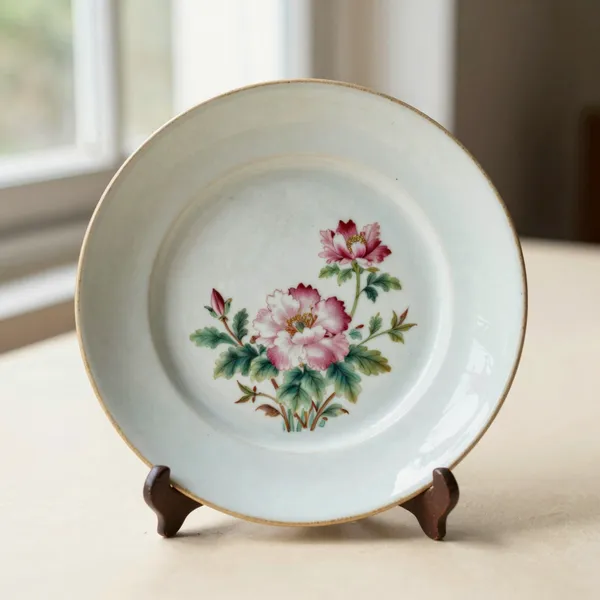
Illustrative: 18th-century Chinese export famille rose plate, typical wear and light rim fritting
$300 - $900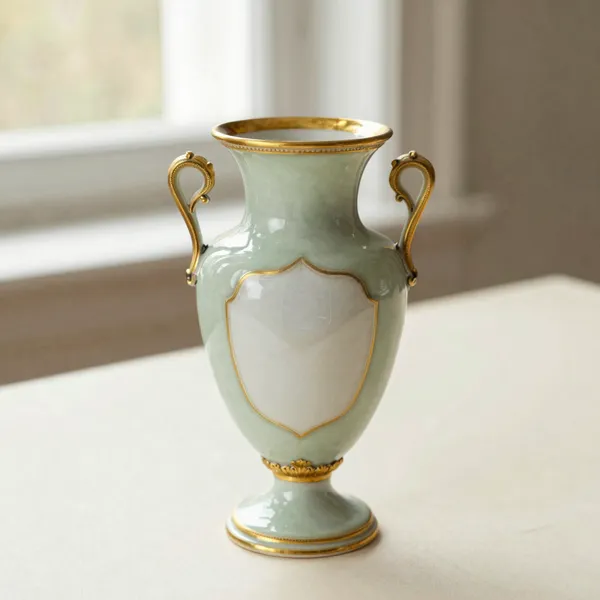
Illustrative: 19th-century Sevres-style gilt and painted vase, signed to the cartouche, no damage
$800 - $2,500Estimated ranges shown to guide research — not official appraisals for insurance, tax, or legal use. Illustrative examples.
Questions, answered honestly
How old does something have to be to be an antique?
As a rule of thumb, an antique is generally at least 100 years old. Items roughly 20–99 years old are usually called “vintage,” and the line shifts by category — but age alone never sets value. A 60-year-old designer piece can be worth far more than a century-old everyday object.
What affects the value of my item?
Value comes from a combination of factors: who made it, its age and rarity, condition, originality, provenance (its documented history), and — most of all — what comparable pieces have actually sold for recently. Our research weighs each of these to produce an estimated range.
I’ve inherited a collection — what do I do?
Start with the pieces you’re most curious about, or the ones you suspect are most valuable. Submit them individually, or for more than ten items use our white-glove service and we’ll research the whole batch together at a tailored rate.
Is this an official appraisal?
No. Every report is a thorough, researched estimate to guide your research — not an official appraisal for insurance, tax, or legal purposes. For those uses you’ll want a certified appraiser, and our report is a great, fast first step before that.
How accurate is a researched value report?
Our research is based on real comparable sales and a structured assessment of condition, era, and maker. It’s designed to give you a credible, well-researched estimate quickly. Like any estimate it isn’t a guarantee of sale price, which is why we always give a range rather than a single number.
“I had a vase from my grandmother and no idea where to start. The report was detailed, fast, and honest about the range.”
“Three days, a fair price, and a genuinely useful breakdown of comparable sales. Far better than waiting weeks.”
“Loved that it was upfront about being an estimate. It gave me exactly what I needed before talking to an auction house.”
Illustrative examples shown during launch — verified customer reviews will replace these as reports are delivered.
Find out what your ceramics & porcelain is worth
A thorough, researched value report in 3 days. From $29, no subscription.
Submit Your Item →