Antique clock appraisal, online
That mantel clock from your grandparents' hallway, the one you have always wondered about? Our team researches its maker, movement, and period, then returns a clear, plain-English value report within three days.
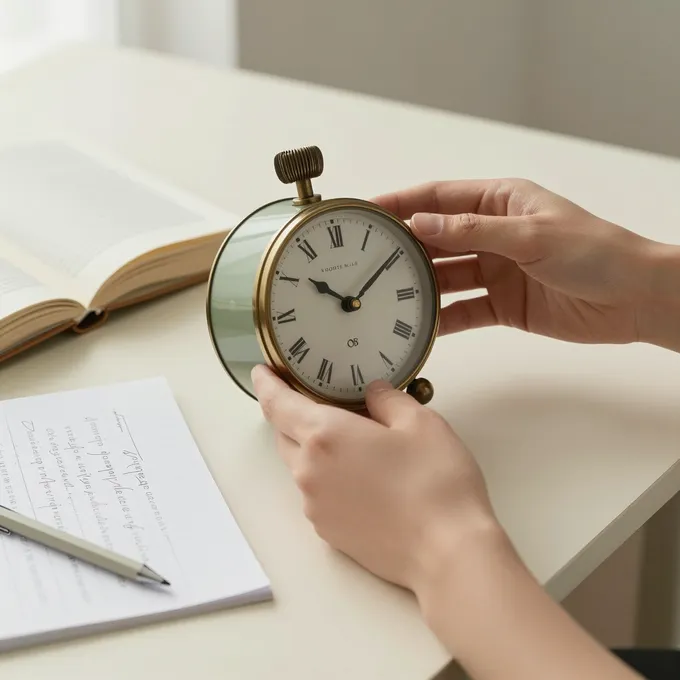
Structured research, reviewed for clarity
We begin with the signature or maker's name on the dial or the movement's backplate, then compare your clock against recorded sales of similar pieces rather than asking prices. We weigh the movement type and any complications, the originality of the case and dial, and the overall working condition. You receive a plain-English report with an estimated value range and the reasoning behind it, reviewed by our team.
What affects the value of an antique clock
A clock's value rarely rests on a single feature. Our team weighs several factors together, since a fine movement in a replaced case tells a very different story from an untouched original.
Maker, signature and origin
A named maker on the dial or backplate, a recognised London or regional workshop, or an early documented movement can lift value considerably. Anonymous, mass-produced movements sit lower, even when the case itself is handsome.
Movement, complications and originality
The type of movement matters: fusee, eight-day, striking, chiming, or a moon-phase or calendar complication. So does whether the movement is original to its case and dial. Replaced movements, married cases, and re-painted dials all weigh on value.
Comparable sales
We base estimates on what comparable clocks have actually sold for at auction and through dealers, not on hopeful asking prices, so the range reflects the real market.
Longcase, bracket, or carriage: type shapes value
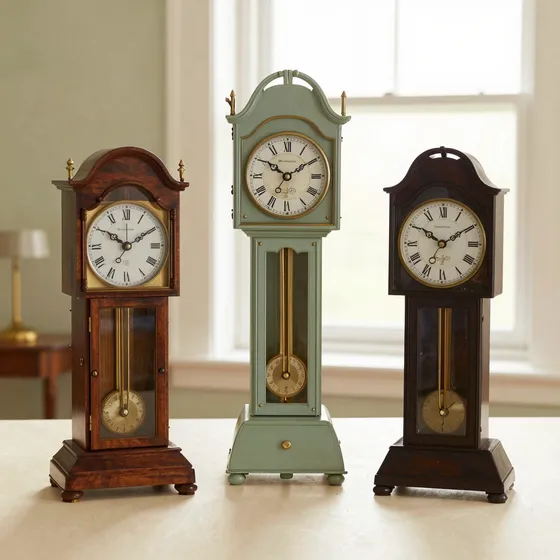
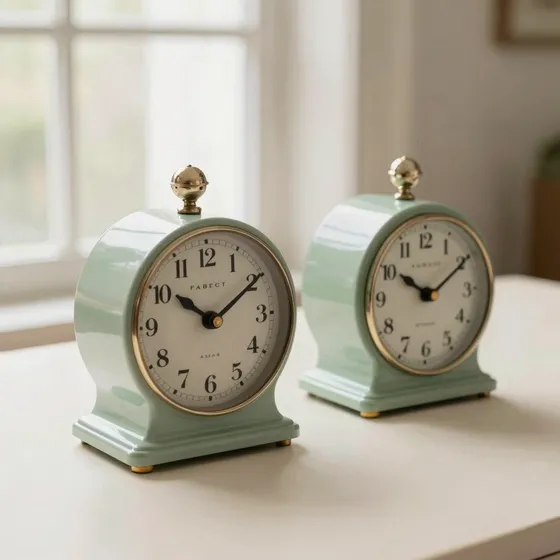
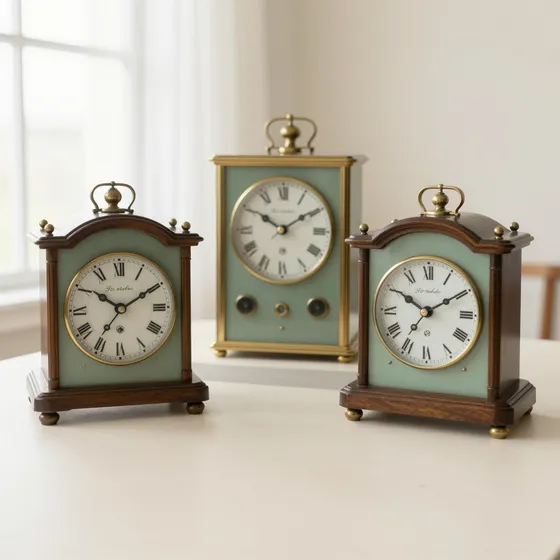
Form tells you a great deal before the maker does. A tall mahogany longcase, an ebonised twin-fusee bracket clock, a French gilt mantel clock, and a small brass carriage clock each sit in their own market with their own collectors. Original finish, a matching dial, and an intact case count heavily within each type. We assess where your clock sits without turning this into a full identification guide, that is what the report is for.
Inherited a clock or a whole collection?
Clocks are among the most commonly inherited antiques, and it is easy to under or over-estimate them at a glance. Whether you have a single piece or a houseful of them, the simplest path is to submit your clock with a few clear photographs of the dial, movement, and case. Our team takes it from there and returns a researched value range. You can start at /submit, or read /how-it-works first.
A few reports we've delivered
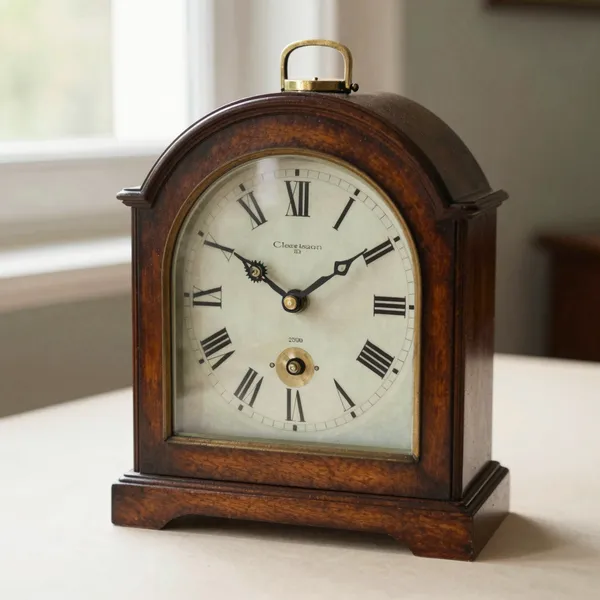
Illustrative: English mahogany longcase clock, painted arched dial, eight-day movement, c. 1820
$1,200 – $3,800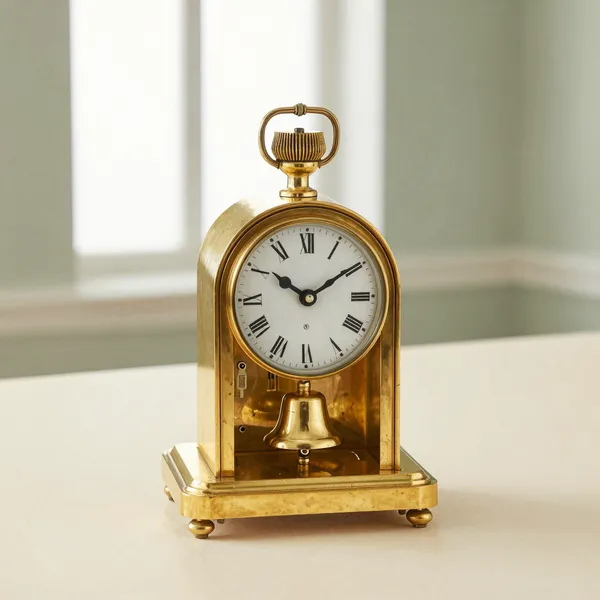
Illustrative: French gilt-bronze mantel clock, bell-striking movement, late 19th century
$650 – $1,900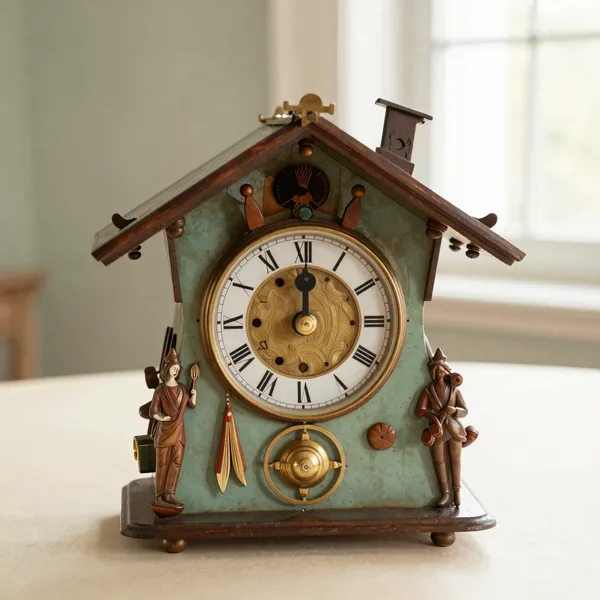
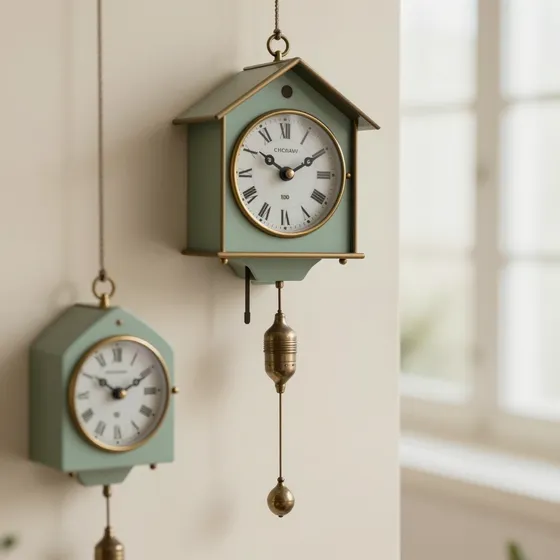
Illustrative: carved Black Forest cuckoo clock, two-weight movement, late 19th century
$300 – $950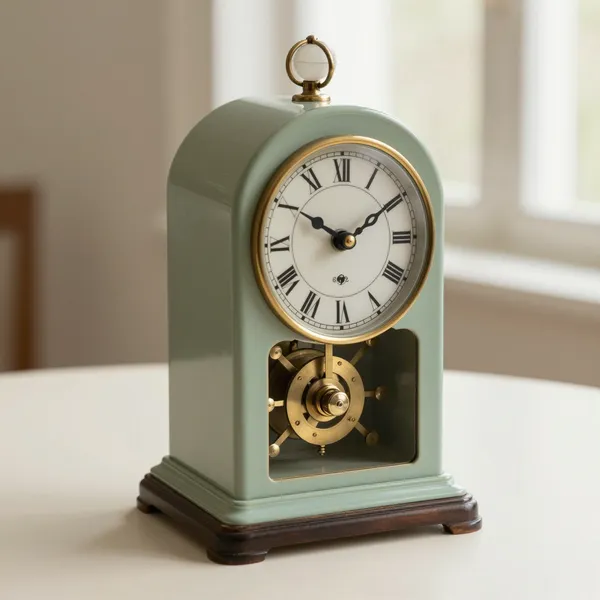
Illustrative: ebonised English bracket clock, twin-fusee striking movement, c. 1860
$1,500 – $4,500Estimated ranges shown to guide research — not official appraisals for insurance, tax, or legal use. Illustrative examples.
Questions, answered honestly
How old does something have to be to be an antique?
As a rule of thumb, an antique is generally at least 100 years old. Items roughly 20–99 years old are usually called “vintage,” and the line shifts by category — but age alone never sets value. A 60-year-old designer piece can be worth far more than a century-old everyday object.
What affects the value of my item?
Value comes from a combination of factors: who made it, its age and rarity, condition, originality, provenance (its documented history), and — most of all — what comparable pieces have actually sold for recently. Our research weighs each of these to produce an estimated range.
I’ve inherited a collection — what do I do?
Start with the pieces you’re most curious about, or the ones you suspect are most valuable. Submit them individually, or for more than ten items use our white-glove service and we’ll research the whole batch together at a tailored rate.
Is this an official appraisal?
No. Every report is a thorough, researched estimate to guide your research — not an official appraisal for insurance, tax, or legal purposes. For those uses you’ll want a certified appraiser, and our report is a great, fast first step before that.
How accurate is a researched value report?
Our research is based on real comparable sales and a structured assessment of condition, era, and maker. It’s designed to give you a credible, well-researched estimate quickly. Like any estimate it isn’t a guarantee of sale price, which is why we always give a range rather than a single number.
“I had a vase from my grandmother and no idea where to start. The report was detailed, fast, and honest about the range.”
“Three days, a fair price, and a genuinely useful breakdown of comparable sales. Far better than waiting weeks.”
“Loved that it was upfront about being an estimate. It gave me exactly what I needed before talking to an auction house.”
Illustrative examples shown during launch — verified customer reviews will replace these as reports are delivered.
Find out what your clocks is worth
A thorough, researched value report in 3 days. From $29, no subscription.
Submit Your Item →