Antique fine art appraisal, online
That painting or framed work you inherited, the one that has been waiting on the wall while you wonder what it is really worth, is exactly what our team researches. Send us what you have and we return a clear, researched value report within three days.
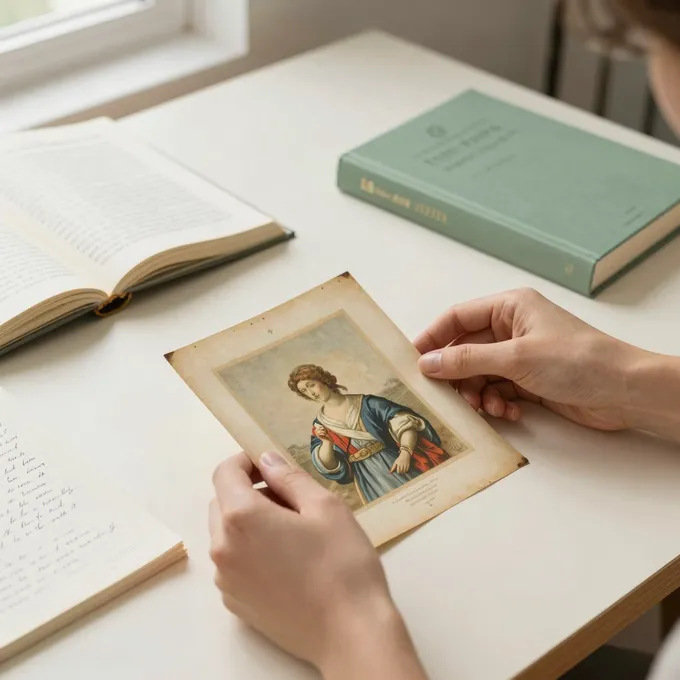
Structured research, reviewed for clarity
We start by placing your piece: the artist or maker where one can be established, the medium, the period, and the movement it belongs to. We compare it against sales of similar works that have actually closed, then weigh condition, originality, and any provenance you can share. You receive a plain-English report with an estimated value range and the reasoning behind it, reviewed by our team before it reaches you.
What affects the value of antique fine art
The value of a work of art rarely comes down to a single thing. A signature, a date, the medium, the condition of the surface, and the record of where a piece has been all pull on the final figure together. Our team weighs them as a group rather than fixating on any one detail.
Artist and attribution
Who made a piece is usually the largest single factor. A confident, documented attribution to a listed artist sits in a different world from an unsigned work in the manner of someone. We read signatures, monograms, labels, and the stylistic fingerprints that support or undercut a name.
Medium, period and condition
An oil on canvas, a watercolour, a bronze, and a lithograph are valued on different scales, and the period and movement a piece belongs to shape demand. Condition runs through all of it: overpaint, relining, foxing, fading, or a repaired casting can move a value sharply, and original, untouched surfaces are prized.
Provenance and comparable sales
A clear chain of ownership, old exhibition labels, or gallery records can add real confidence and value. We anchor every estimate to comparable sales that actually closed at auction or through dealers, not to hopeful asking prices.
Originals, prints, and reproductions
One of the first questions with any work of art is what kind of object it actually is. An original oil, a hand-pulled limited edition print, a later restrike, and a decorative reproduction can look alike on a wall but sit far apart in value. We read the surface, the edition marks, the paper or canvas, and the printing method to place a piece correctly. Getting this right is the foundation the whole estimate rests on, and it is where well-meaning guesses most often go wrong.
Inherited a collection of fine art?
Estates often come with a mixed wall of paintings, framed prints, and a few sculptures, with little paperwork and a lot of uncertainty. Rather than sorting it all yourself, start with the pieces you are most curious about. Submit a few clear photographs and whatever history you have, and our team will research each one and return a value report with an estimated range and the reasoning behind it. From there you will know which works deserve a closer look.
A few reports we've delivered
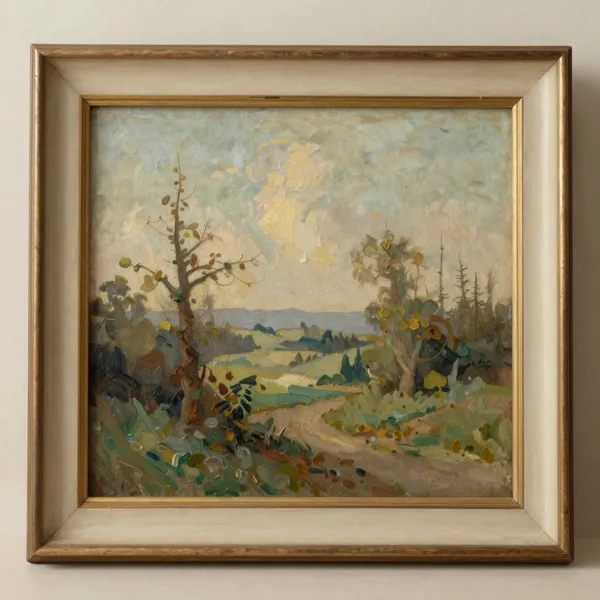
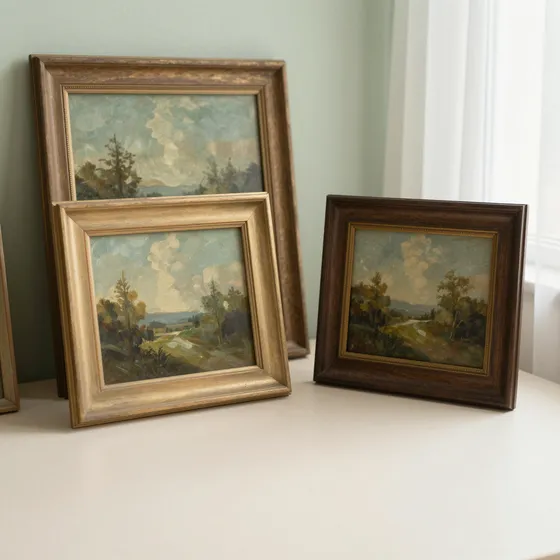
Illustrative: early 20th-century signed oil landscape on canvas, original frame
$1,800 – $4,500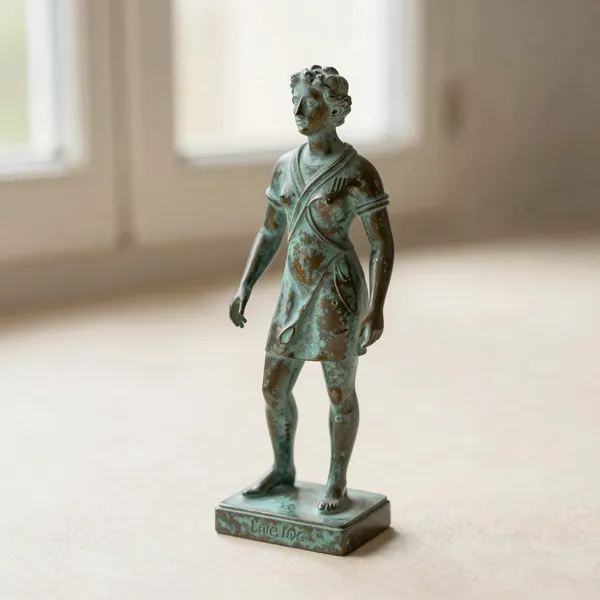
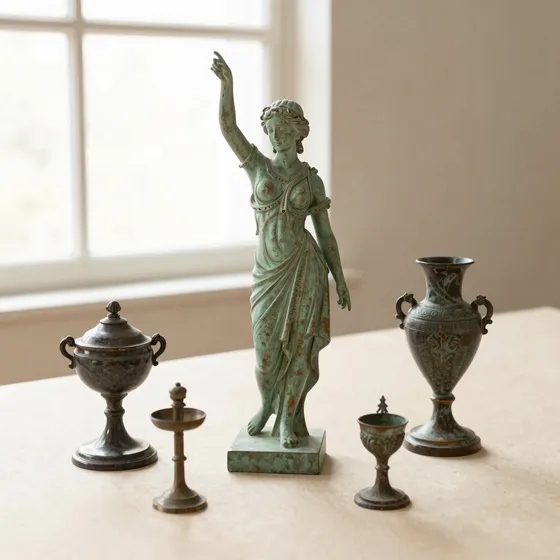
Illustrative: late 19th-century patinated bronze figure, foundry stamp
$2,500 – $7,000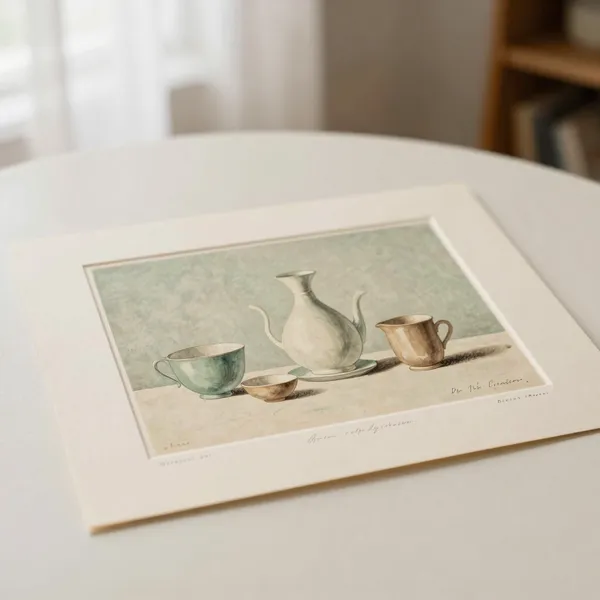
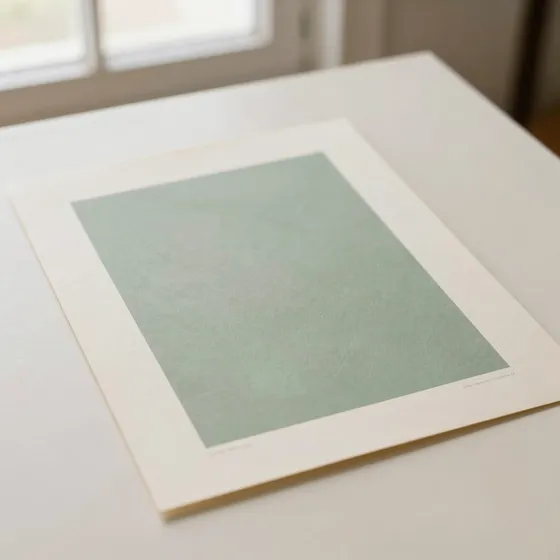
Illustrative: mid-century pencil-signed lithograph, numbered edition
$600 – $2,200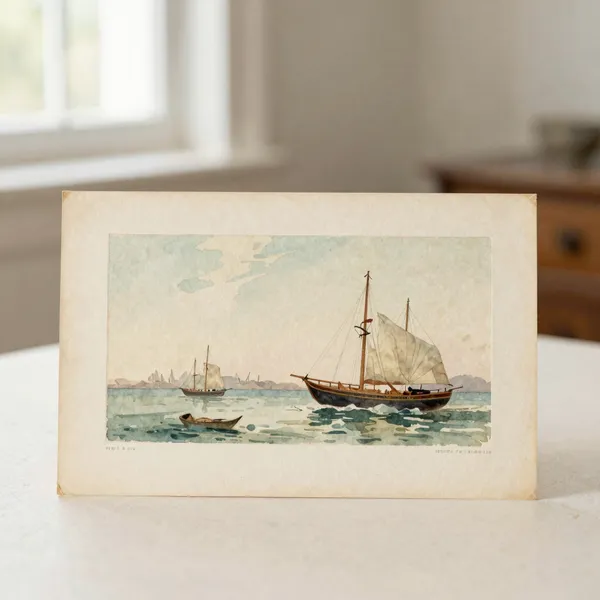
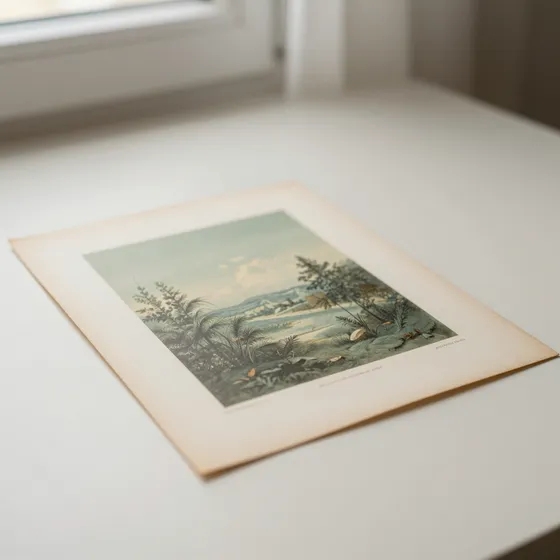
Illustrative: Victorian watercolour marine scene, light foxing
$300 – $1,200Estimated ranges shown to guide research — not official appraisals for insurance, tax, or legal use. Illustrative examples.
Questions, answered honestly
How old does something have to be to be an antique?
As a rule of thumb, an antique is generally at least 100 years old. Items roughly 20–99 years old are usually called “vintage,” and the line shifts by category — but age alone never sets value. A 60-year-old designer piece can be worth far more than a century-old everyday object.
What affects the value of my item?
Value comes from a combination of factors: who made it, its age and rarity, condition, originality, provenance (its documented history), and — most of all — what comparable pieces have actually sold for recently. Our research weighs each of these to produce an estimated range.
I’ve inherited a collection — what do I do?
Start with the pieces you’re most curious about, or the ones you suspect are most valuable. Submit them individually, or for more than ten items use our white-glove service and we’ll research the whole batch together at a tailored rate.
Is this an official appraisal?
No. Every report is a thorough, researched estimate to guide your research — not an official appraisal for insurance, tax, or legal purposes. For those uses you’ll want a certified appraiser, and our report is a great, fast first step before that.
How accurate is a researched value report?
Our research is based on real comparable sales and a structured assessment of condition, era, and maker. It’s designed to give you a credible, well-researched estimate quickly. Like any estimate it isn’t a guarantee of sale price, which is why we always give a range rather than a single number.
“I had a vase from my grandmother and no idea where to start. The report was detailed, fast, and honest about the range.”
“Three days, a fair price, and a genuinely useful breakdown of comparable sales. Far better than waiting weeks.”
“Loved that it was upfront about being an estimate. It gave me exactly what I needed before talking to an auction house.”
Illustrative examples shown during launch — verified customer reviews will replace these as reports are delivered.
Find out what your fine art is worth
A thorough, researched value report in 3 days. From $29, no subscription.
Submit Your Item →