Antique map appraisal, online
That old map you inherited, framed on a wall or folded inside an atlas, may hold more history and value than it first appears. Our team researches its origin, edition, and condition, then delivers a clear value report within three days.
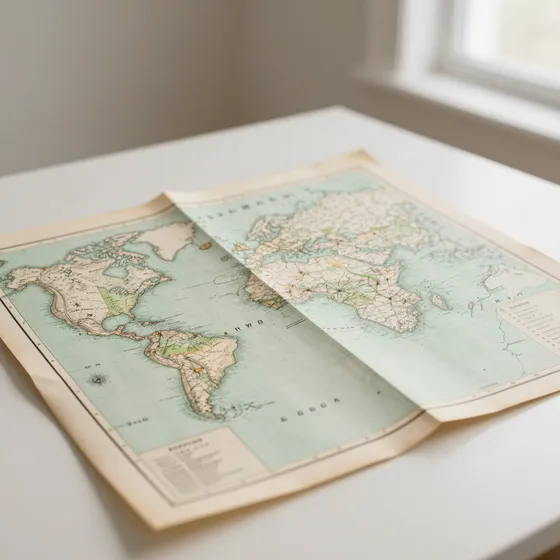
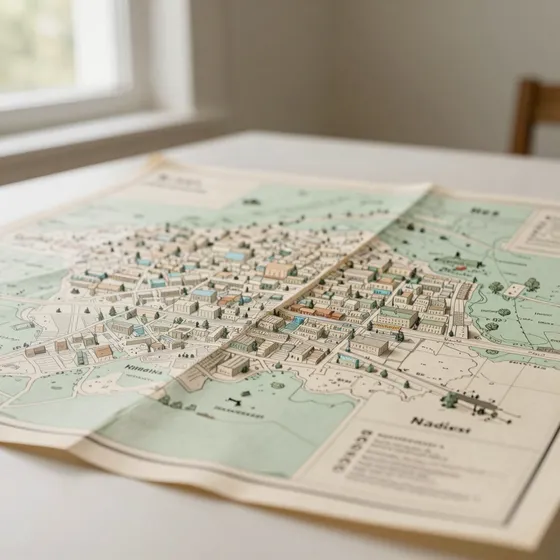
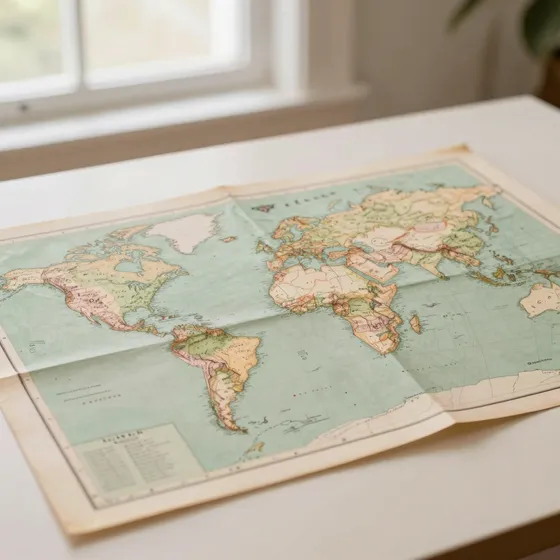
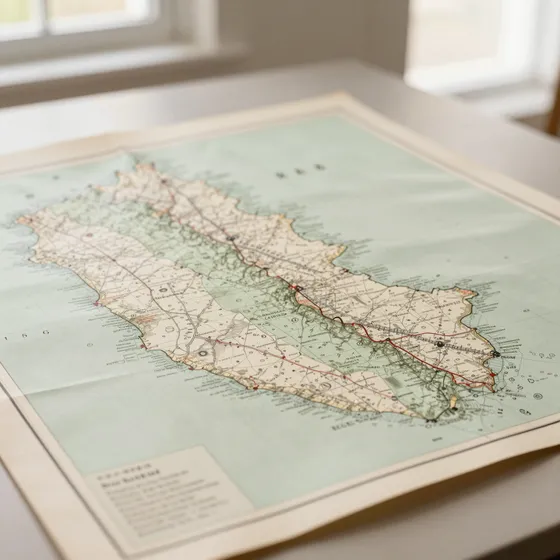
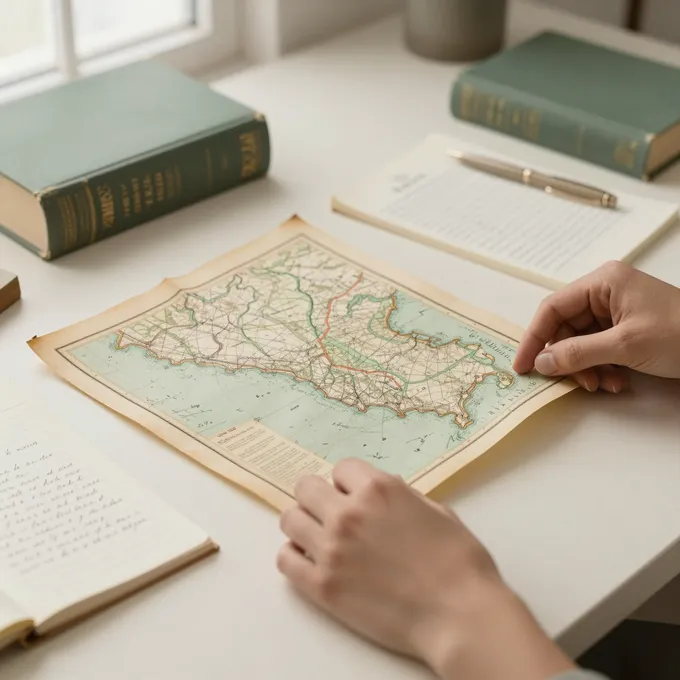
Structured research, reviewed for clarity
We begin by placing your map in its proper context: the workshop or publisher, the period of engraving, and the region it depicts. From there we compare it against real sales of similar sheets, weighing condition, coloring, margins, and whether it is an original impression or a later strike. We read any imprint, plate mark, or engraved title for clues to edition and date. The result is a plain-English report with an estimated value range and the reasoning behind it, reviewed by our team before it reaches you.
What affects the value of antique maps
The value of an old map rarely comes down to a single thing. Our team weighs several factors together, because a name, a date, and a condition note each pull the figure in a different direction.
Mapmaker, period & place
The name behind a map carries weight. Sheets from established workshops such as Blaeu, Ortelius, Mercator, or Speed are researched differently than anonymous later reprints, and the period of engraving along with the region depicted both shape how a piece sits in the market.
Condition, coloring & originality
Margins, centerfold splits, foxing, and trimming all matter, and so does whether the color was applied in period or added much later. A clean, untrimmed sheet with original hand coloring sits in a different bracket than a restored or recolored one.
Comparable sales
We look at what similar maps have actually sold for at auction and through dealers, not asking prices, so the figure reflects the real market rather than hopeful listings.
Original map, later reprint, or atlas leaf?
One of the first things that changes a map's value is whether it left the press in its own period or is a later reproduction, and whether it was issued as a single sheet or cut from a bound atlas. Plate marks, paper texture, watermarks, and the way the back of the sheet reads can all point one way or another. Rather than walking you through every test yourself, our team weighs these signals together when we research your map, so you get a grounded read instead of a guess.
Inherited a map or atlas collection?
Old maps often surface as a rolled tube in a closet, a framed sheet on a wall, or a shelf of atlases handed down through the family. You do not need to sort or grade them first. Tell us what you have, share a few photographs, and our team researches each piece and returns a plain-English value report. Start by submitting your item and we will take it from there.
A few reports we've delivered
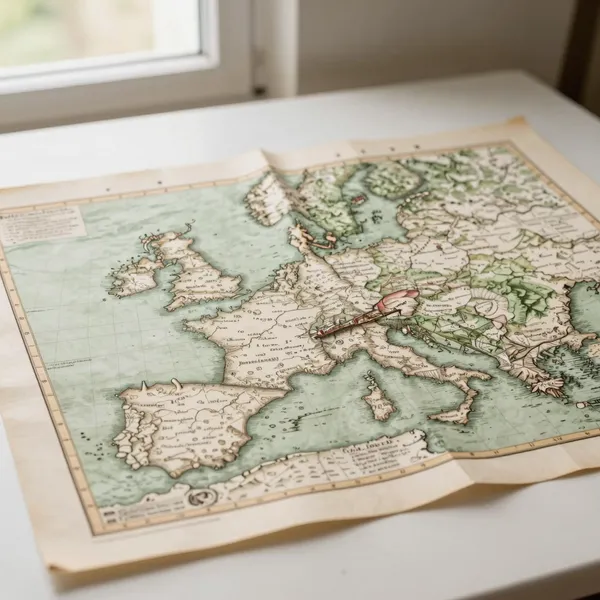
Illustrative: a 17th-century hand-colored Blaeu map of a European province, strong margins
$500 – $1,800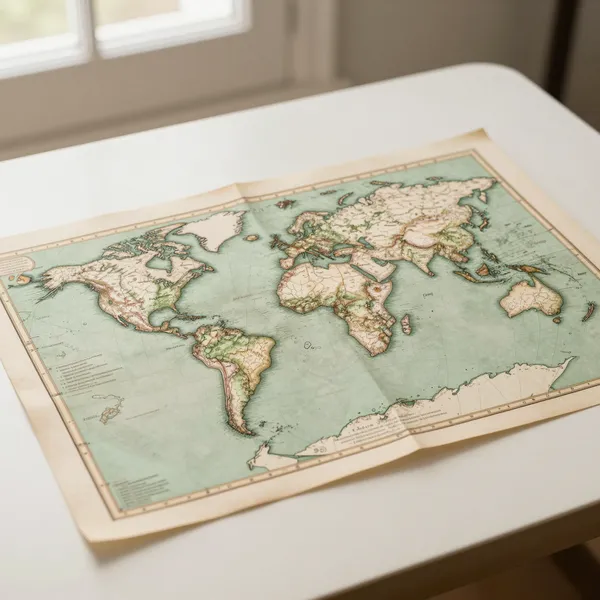
Illustrative: a 16th-century Ortelius world map, later color, minor centerfold toning
$2,500 – $9,000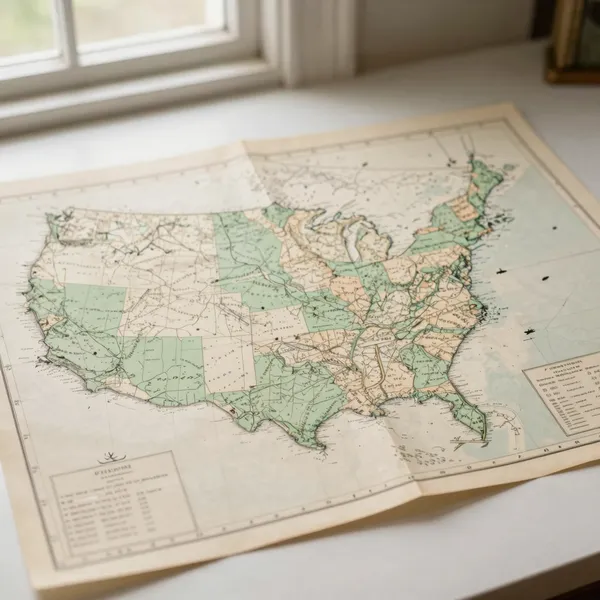
Illustrative: a mid-19th-century American county map with original outline coloring
$150 – $600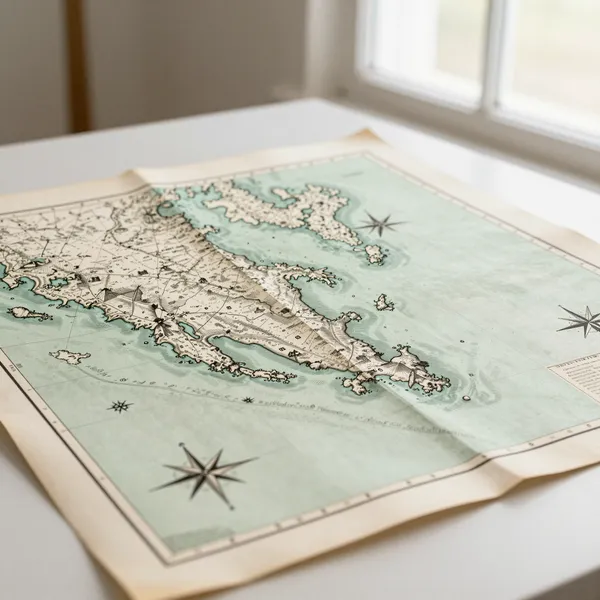
Illustrative: an 18th-century engraved coastal sea chart with compass roses
$400 – $2,000Estimated ranges shown to guide research — not official appraisals for insurance, tax, or legal use. Illustrative examples.
Questions, answered honestly
How old does something have to be to be an antique?
As a rule of thumb, an antique is generally at least 100 years old. Items roughly 20–99 years old are usually called “vintage,” and the line shifts by category — but age alone never sets value. A 60-year-old designer piece can be worth far more than a century-old everyday object.
What affects the value of my item?
Value comes from a combination of factors: who made it, its age and rarity, condition, originality, provenance (its documented history), and — most of all — what comparable pieces have actually sold for recently. Our research weighs each of these to produce an estimated range.
I’ve inherited a collection — what do I do?
Start with the pieces you’re most curious about, or the ones you suspect are most valuable. Submit them individually, or for more than ten items use our white-glove service and we’ll research the whole batch together at a tailored rate.
Is this an official appraisal?
No. Every report is a thorough, researched estimate to guide your research — not an official appraisal for insurance, tax, or legal purposes. For those uses you’ll want a certified appraiser, and our report is a great, fast first step before that.
How accurate is a researched value report?
Our research is based on real comparable sales and a structured assessment of condition, era, and maker. It’s designed to give you a credible, well-researched estimate quickly. Like any estimate it isn’t a guarantee of sale price, which is why we always give a range rather than a single number.
“I had a vase from my grandmother and no idea where to start. The report was detailed, fast, and honest about the range.”
“Three days, a fair price, and a genuinely useful breakdown of comparable sales. Far better than waiting weeks.”
“Loved that it was upfront about being an estimate. It gave me exactly what I needed before talking to an auction house.”
Illustrative examples shown during launch — verified customer reviews will replace these as reports are delivered.
Find out what your maps is worth
A thorough, researched value report in 3 days. From $29, no subscription.
Submit Your Item →