Antique necklace appraisal, online
That inherited necklace sitting in a drawer, the one you are never quite sure about, may carry more value than its box suggests. Our team researches antique and vintage necklaces and returns a thoroughly researched value report within three days.
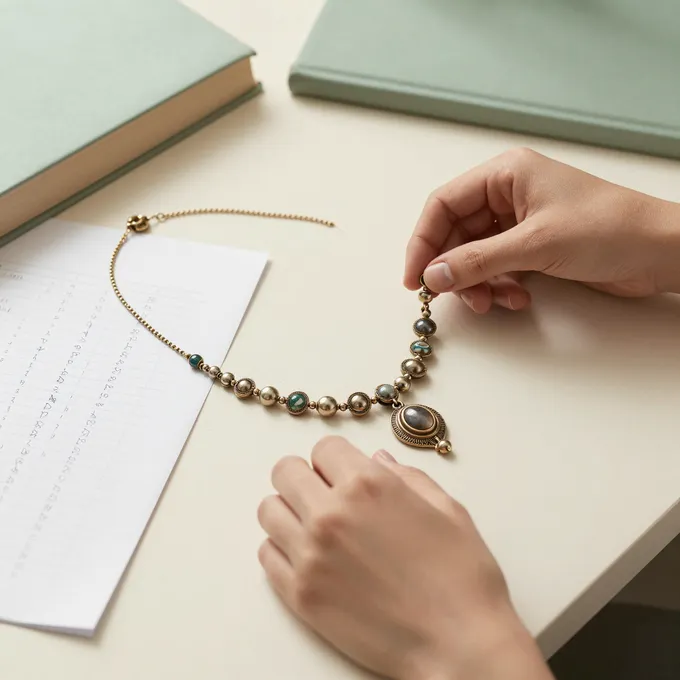
Structured research, reviewed for clarity
We begin with the necklace itself: the metal and any hallmarks, the stones and how they are set, the clasp, and the way the chain or links are constructed. We read maker's marks and signatures where they exist, weigh period and style, and compare your piece against recent recorded sales of similar necklaces, actual results rather than asking prices. You receive a plain-English report with an estimated value range and the reasoning behind it, reviewed by our team.
What affects the value of an antique necklace
A necklace's value rarely comes down to a single feature. Our team weighs several factors together, because a strong maker can lift a modest stone, and a replaced clasp can quietly pull a fine piece down.
Metal, stones & hallmarks
The purity of the gold or silver, the quality and cut of any gemstones, and the hallmarks stamped near the clasp all shape value. Old mine-cut diamonds, natural pearls, and untreated colored stones tend to carry more weight than their modern equivalents, and a clear assay mark helps confirm both metal and origin.
Maker, period & style
A signed piece from a recognized house, or a necklace that is clearly of its period, Georgian, Victorian, Edwardian, Art Deco, changes the conversation entirely. Design details like riviere settings, festoon drapes, or hand-fabricated links point to a date and a maker, and both matter to value.
Condition & originality
Original clasps, intact links, and unrestored settings are worth more than repaired or reassembled ones. Restringing pearls, replacing a clasp, or resetting stones can be sensible, but it affects value, and our research accounts for what is original and what has been changed.
Comparable sales
We ground every estimate in real, recorded results for similar necklaces, what pieces of comparable metal, stones, maker, and condition have actually sold for, not what sellers hoped to get.
Signed, unsigned, and the gap between them
One of the biggest questions with a necklace is whether it carries a maker's signature, and where. Signatures on necklaces often hide on the clasp, a small tag, or the reverse of a pendant, and an unsigned piece is not necessarily worth less if its construction and stones speak for themselves. Rather than teaching you to hunt for marks yourself, our team examines the piece, researches the details that point to a maker or period, and tells you what we find and what it means for value.
Inherited a necklace or a box of them?
Estates often surface a tangle of necklaces at once, some costume, some fine, and it is genuinely hard to tell them apart by eye. You do not need to sort them first. Submit the pieces you are curious about with a few clear photos, and our team researches each one and returns a value report so you can decide what to keep, insure, or pass on. When you are ready, you can start on our submit page.
A few reports we've delivered
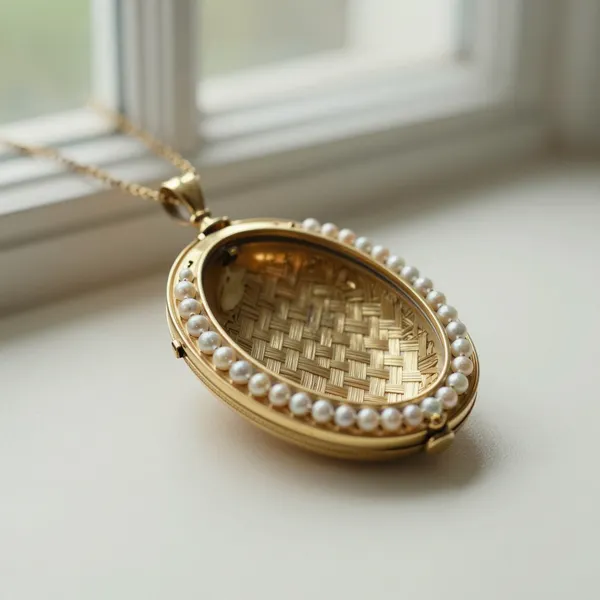
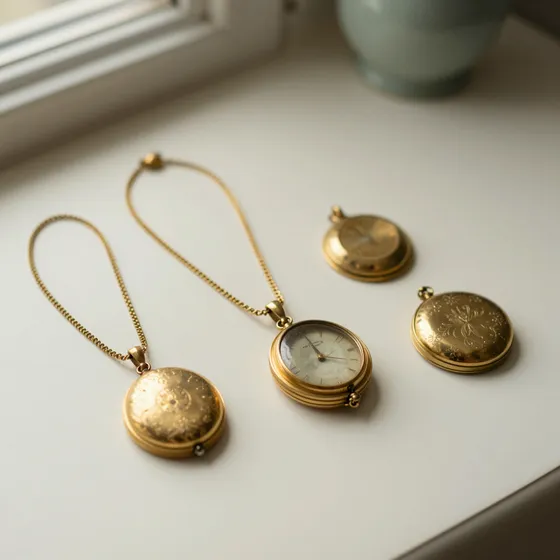
Illustrative: Victorian 15ct gold mourning locket with a seed-pearl border and woven-hair compartment
$600 – $1,400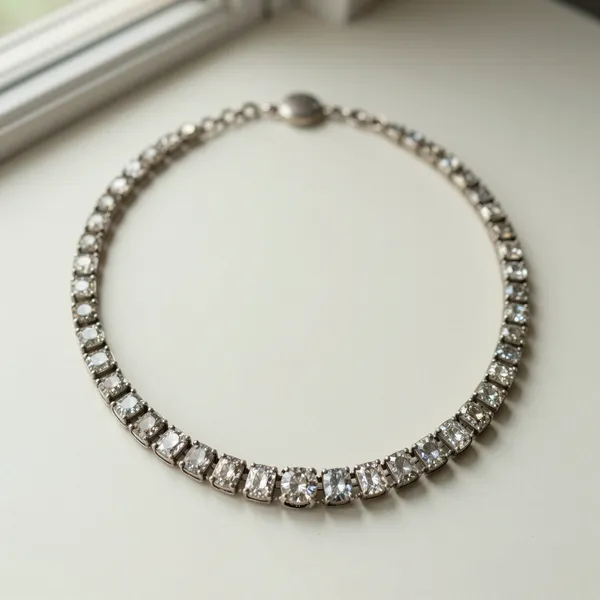
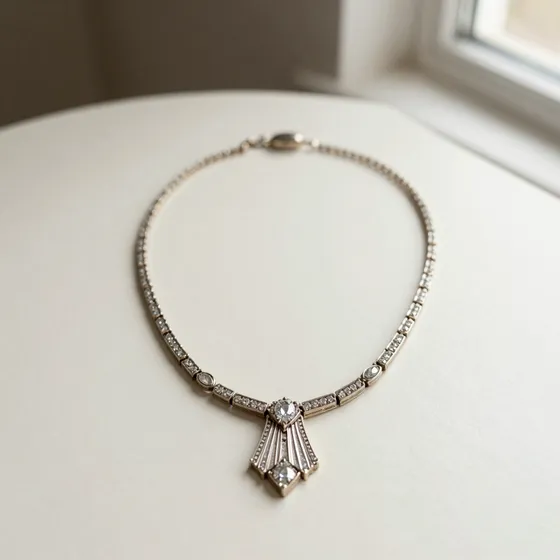
Illustrative: 1920s platinum and diamond riviere necklace with old European-cut stones
$8,000 – $18,000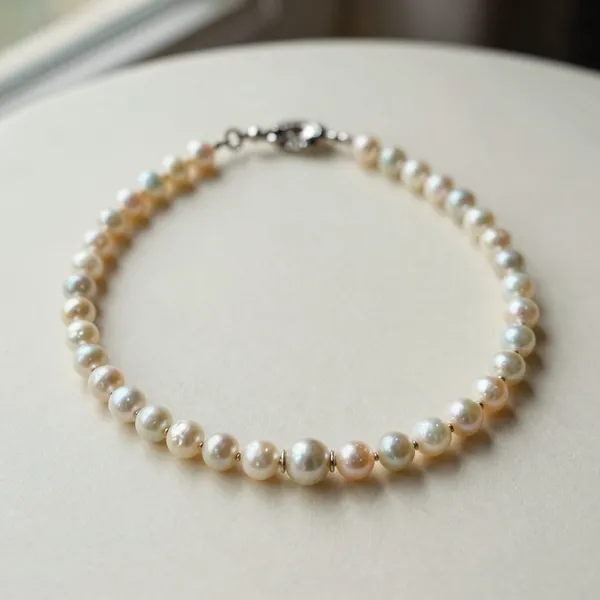
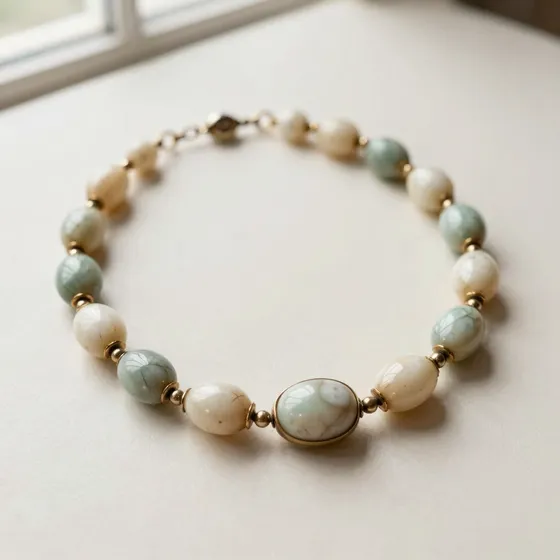
Illustrative: Edwardian graduated natural pearl necklace with a diamond-set clasp
$3,500 – $9,000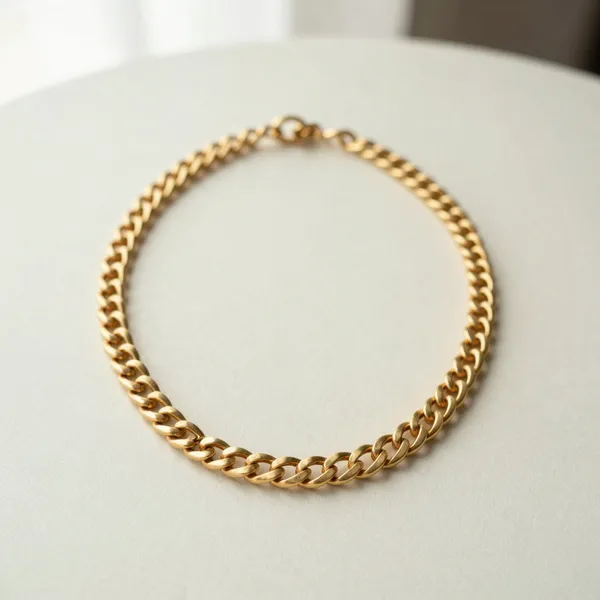
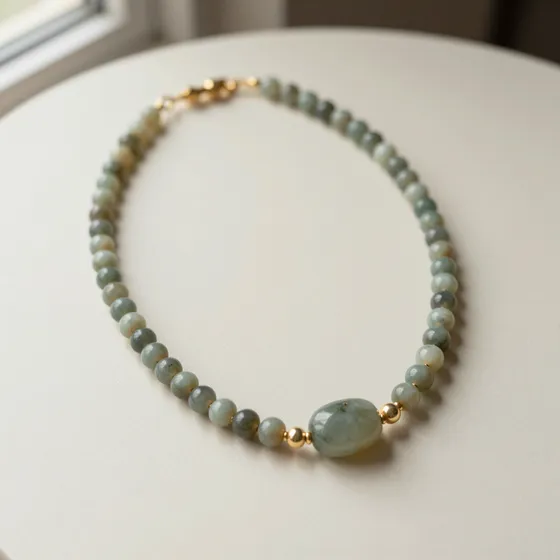
Illustrative: 1950s signed 18k gold woven-link necklace from a recognized maker
$2,000 – $5,000Estimated ranges shown to guide research — not official appraisals for insurance, tax, or legal use. Illustrative examples.
Questions, answered honestly
How old does something have to be to be an antique?
As a rule of thumb, an antique is generally at least 100 years old. Items roughly 20–99 years old are usually called “vintage,” and the line shifts by category — but age alone never sets value. A 60-year-old designer piece can be worth far more than a century-old everyday object.
What affects the value of my item?
Value comes from a combination of factors: who made it, its age and rarity, condition, originality, provenance (its documented history), and — most of all — what comparable pieces have actually sold for recently. Our research weighs each of these to produce an estimated range.
I’ve inherited a collection — what do I do?
Start with the pieces you’re most curious about, or the ones you suspect are most valuable. Submit them individually, or for more than ten items use our white-glove service and we’ll research the whole batch together at a tailored rate.
Is this an official appraisal?
No. Every report is a thorough, researched estimate to guide your research — not an official appraisal for insurance, tax, or legal purposes. For those uses you’ll want a certified appraiser, and our report is a great, fast first step before that.
How accurate is a researched value report?
Our research is based on real comparable sales and a structured assessment of condition, era, and maker. It’s designed to give you a credible, well-researched estimate quickly. Like any estimate it isn’t a guarantee of sale price, which is why we always give a range rather than a single number.
“I had a vase from my grandmother and no idea where to start. The report was detailed, fast, and honest about the range.”
“Three days, a fair price, and a genuinely useful breakdown of comparable sales. Far better than waiting weeks.”
“Loved that it was upfront about being an estimate. It gave me exactly what I needed before talking to an auction house.”
Illustrative examples shown during launch — verified customer reviews will replace these as reports are delivered.
Find out what your necklaces is worth
A thorough, researched value report in 3 days. From $29, no subscription.
Submit Your Item →